Energy bills to rise because of delays to Labour’s plan to slash prices
The National Energy System Operator says delays to clean energy projects will cost consumers around £4.2 billion in 2030.
Households across the UK could face electricity bill increases due to delays in the government’s clean energy projects.
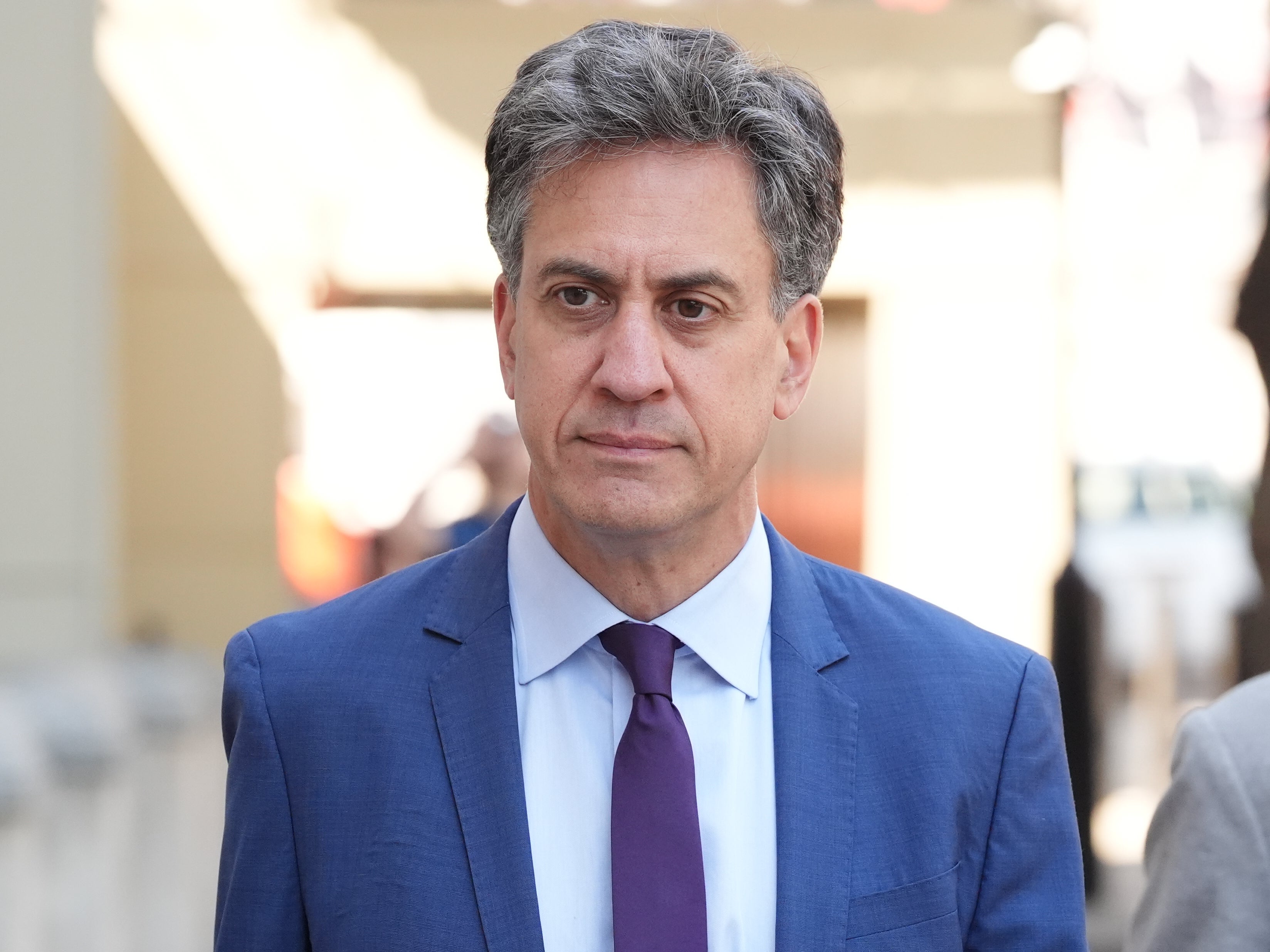
Energy Secretary Ed Miliband has previously pledged that average household energy bills will be £300 lower by 2030 as Britain shifts to using more renewable energy from wind farms.
However, ministers have been warned that three vital projects “critical to delivering a network which supports the clean power pathways” will be delayed until after 2030.
The National Energy System Operator (Neso) calculated that the delays to these projects will cost consumers around £4.2 billion in 2030.
Three critical grid projects in East Anglia and the southeast are needed to connect offshore wind farms in the North Sea, Neso said.
“Our assessment suggests that without these projects, the clean power objective would not be achieved, leaving the clean power target short by around 1.6% in 2030, and consumers could face extra constraint costs of around £4.2 billion in 2030,” it said in the report.
Constraint costs are the penalties paid when electricity can’t flow efficiently to where it’s needed.
This means the government might have to compensate offshore wind farm developers for switching off turbines because the electricity grid wouldn’t be able to carry the power to households, and there are fears these costs will be passed onto customers.
The report also urges a more joined-up approach that considers both national and local networks to avoid bottlenecks. It highlights the benefits of new electricity grid-enhancing technologies and additional projects that could cut reliance on polluting gas power stations.
Bringing forward eight more projects could reduce costs by a further £1.7 billion in 2030, but the operator said doing so will be “extremely difficult” without sweeping reforms to planning rules and funding processes.
Shadow Energy Secretary Claire Coutinho said Mr Miliband’s pledge to reduce bills by £300 was “always a fantasy”.
“This is what happens when you set yourself impossible climate targets and ignore the costs,” she wrote on X, formerly Twitter.
A Department for Energy Security and Net Zero spokesperson said: “After years of inaction, we are moving quickly, reforming the planning system, speeding up grid connections, and building the infrastructure we need to deliver clean, affordable energy.
“The National Energy System Operator has said the grid upgrades planned for 2030 are expected to save up to £5 billion - and by delivering all the fast-tracked projects we've identified, those savings could rise to as much as £11 billion."
It comes as the government announced it will be dropping its plans for energy pricing zones.
The energy secretary had been considering proposals for zonal pricing that would see different areas of the country pay different rates for their electricity, based on local supply and demand.
But the government has now decided to retain a single national wholesale price.
Zonal pricing would have seen bills based on how much electricity is available, meaning areas such as Scotland, which generates large amounts of power, would have lower market prices.
But it also means market prices in other parts of the country, such as the South East, would have been higher.
Proponents of the scheme said it would save billions of pounds each year by making the electricity grid more efficient, but critics said it would create a postcode lottery where people face an unfair disparity in bills.
Join our commenting forum
Join thought-provoking conversations, follow other Independent readers and see their replies
Comments
Bookmark popover
Removed from bookmarks