Martin Lewis reveals how to save £1,000s on council tax in three steps
Discounts and refunds worth thousands are going unclaimed
Martin Lewis has shared his tips for making savings potentially worth thousands through some little-known council tax hacks.
As bills continue to rise in 2026, the money expert has advised households that they could be overpaying on the local authority levy, offering three key ways to check.
His advice comes at a crucial time, with council tax bills set to increase across England and Wales in April by the maximum amount once again.
Discounts on council tax are available for several reasons, while property bands can actually be challenged under certain circumstances to reduce monthly costs.
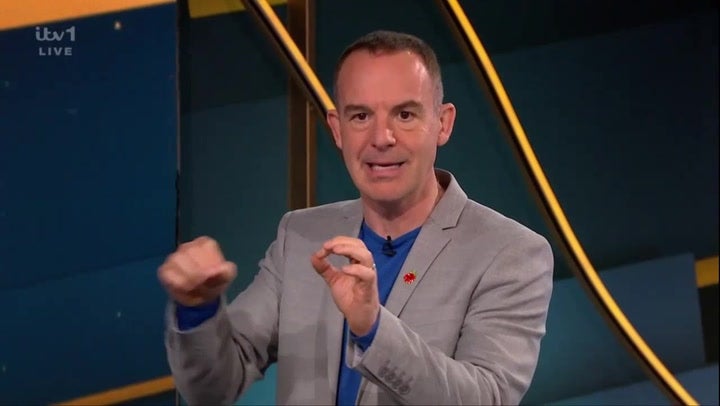
Mr Lewis recently revealed on his Money Show Live (ITV) that one viewer had saved “just short of £6,000” through this method, after the council tax band at the property she had lived in since 1994 was revised.
The money expert said: “£6,000 is middling for the successes I get. I’ve seen 10, 11, 12 thousand. This is very important to do”.
Here’s are Mr Lewis’s top three tips to cut council tax in 2026:
Challenge council tax band
One of the key ways people can reduce their council tax is by ensuring they are in the correct property band, which decides the rate at which they pay the levy.
Thousands of people were able to challenge the government on their property’s council tax band in 2023/24 (when the data was last published) resulting in a lower council tax bill.
Of the 43,820 people that asked for a revaluation in this period, nearly 1,000 were able to lower their band by two places or more, official figures from the Valuation Office Agency (VOA) show.
Analysis by Mr Lewis’ MoneySavingExpert.co.uk has estimated that around 400,000 households are in the wrong band – and so paying too much in council tax – and should consider making a challenge.

If successful, the household will not only be due a lower bill going forward, but possibly even a massive backdated payout for all the time they were paying the wrong level of tax.
The banding system is often criticised for being outdated, as the value of properties remains based on an assessment carried out in 1991. These values have changed dramatically in recent years, with some areas seeing massive spikes in property value, and others seeing drops.
However, revaluations are not based on today’s prices, but still based on 1991 market rates. This means that the VOA will take the physical characteristics of a property into account, rather than today’s value.
Because of this, the agency can actually place the property into a higher tax band if it believes the value has become higher since it was last checked.
In very unlucky cases, a revaluation could also result in neighbouring properties being placed into a higher band.
Check for discounts or support
There are several discounts that can be claimed on council tax for eligible households worth up to 100 per cent, but they must be applied for in most instances.
One of the most common is for people who live in a property alone, meaning they can claim a 25 per cent discount on their council tax.

Students households are eligible for a 100 per cent discount on council tax, alongside adults considered to be severely mentally impaired (SMI). In the case that an SMI adult resides with a live-in carer, the discount is reduced to 50 per cent.
Councils also offer a discretionary reduction for those facing severe hardship which means they are unable to afford their council tax bill.
This is done on a council-by-council basis, so eligibility differs, but generally will include having income below a set level, claiming certain benefits, and possibly having an illness or disability.
Reclaiming overpaid council tax
Finally, individuals are able to reclaim overpaid council tax from an authority for payments of £100-plus.
MoneySavingExpert.co.uk reports that £141 million is owed to council tax-payers across 349 local authority areas in England, Scotland and Wales, with over 800,000 households affected.
There are various reasons a person could be owed. For instance, they could pay their council tax in advance and then move house, or forget to cancel a payment.
A tax payer could even be owed a retrospective discount if a property they previously lived in has been re-banded, meaning they were overpaying when living there.
Some councils offer an online form to make claims, while others will require those interested to email or call.
Join our commenting forum
Join thought-provoking conversations, follow other Independent readers and see their replies
Comments
Bookmark popover
Removed from bookmarks