Childhood loneliness increases risk of dementia, study finds
People who lacked close friendships before the age of 17 are more likely to develop dementia in later life, according to a new study
Childhood loneliness is associated with an increased risk of cognitive decline and dementia in later adulthood, according to a new study.
The study, published in the Journal of the American Medical Association, showed that people who felt lonely or lacked close friendships before the age of 17 were more likely to develop dementia, even if they no longer felt lonely in adulthood.
Professor Andrea Wigfield, the director of the Centre for Loneliness Studies at Sheffield Hallam University, said the findings are understandable given the well-established links between adult loneliness and cognitive decline.
She said: “Given what we already know about the link between adult loneliness and the increased risk of cognitive decline, it is not surprising that loneliness in childhood has been linked to risk of cognitive decline and dementia in later life.
“We know that emotional attachment experienced in early life and the social connections that children form influence their chances of being lonely later in life, too.”

In the UK, nearly half of Gen Z – those aged between 13 and 28 – are experiencing feelings of loneliness, according to a poll published by Oxfam in June. They have been dubbed the loneliest generation, and are more prone to despair and anxiety than previous generations were at the same age.
Professor Wigfield said: “Although loneliness is a normal human emotion, which is a signal to us to reach out to more people to make social connections, and although loneliness can strike any of us at any time, there is increasing evidence of an upward trajectory of experiences of loneliness across many age groups.
“Traditionally, loneliness has been linked with older people, but more recently we have seen evidence that young adults aged 18 to 24 are most likely to be lonely. There is also growing evidence of loneliness among [those aged from] 45 to 65.”
She said loneliness in children continues to be studied more since the Covid pandemic, when rates of loneliness spiked. “The way children play and form meaningful relationships at a young age clearly has wider health implications beyond their experiences of loneliness,” she added.
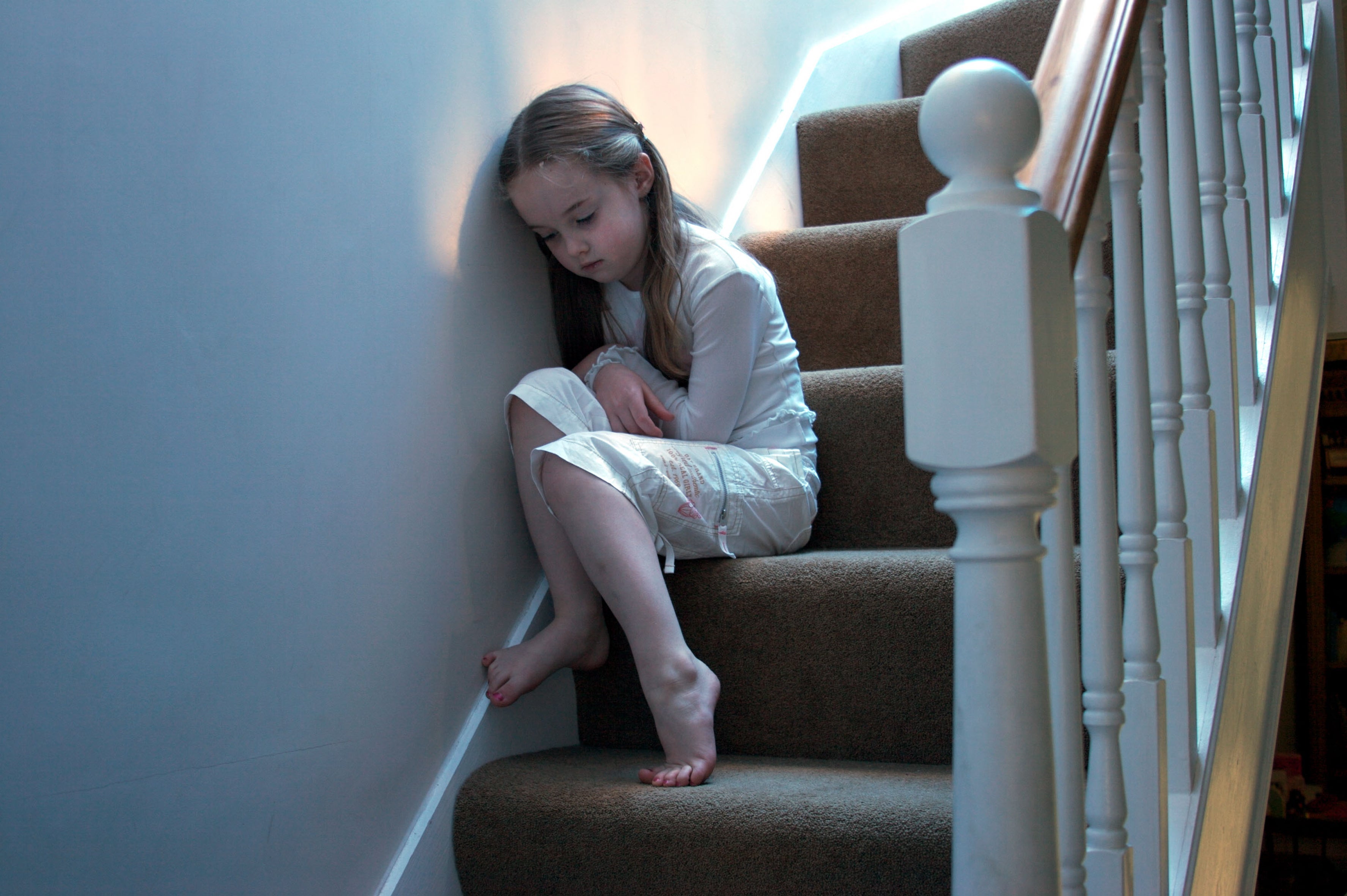
NSPCC’s Childline service reported receiving an increased number of calls about loneliness last year, as more than 4,500 related counselling calls were delivered.
Director Shaun Friekl said: “Loneliness is a challenging thing to deal with, and left unaddressed can start to have a wider impact on mental health and wellbeing.”
The study, which analysed data from the China Health and Retirement Longitudinal Study, defined childhood loneliness as self-reported frequent feelings of the absence of friendships. “Public health initiatives aimed at preventing and reducing loneliness should begin in early life to mitigate its long-term implications for cognitive health and wellbeing,” the study said.
The Alzheimer’s Society says that engaging in social activities may help build up the brain’s resilience and ability to cope with the disease. The charity estimates that there are 982,000 people with dementia in the UK.
Join our commenting forum
Join thought-provoking conversations, follow other Independent readers and see their replies
Comments
Bookmark popover
Removed from bookmarks