Meet the first endangered baby bonobo born at UK zoo
Bonobos, which share more than 98 per cent of their DNA with humans, are under threat of extinction
An endangered bonobo, a primate which is considered the closest living relative of a human, has successfully given birth this week at a UK zoo.
The baby was welcomed into the world on 11 September at Twycross Zoo in Leicestershire by first-time mother Yuli.
Bonobos, which share more than 98 per cent of DNA with humans, are listed on the International Union for Conservation of Nature red list of threatened species. Their population in the wild is deteriorating thanks to human dangers such as poaching and deforestation.
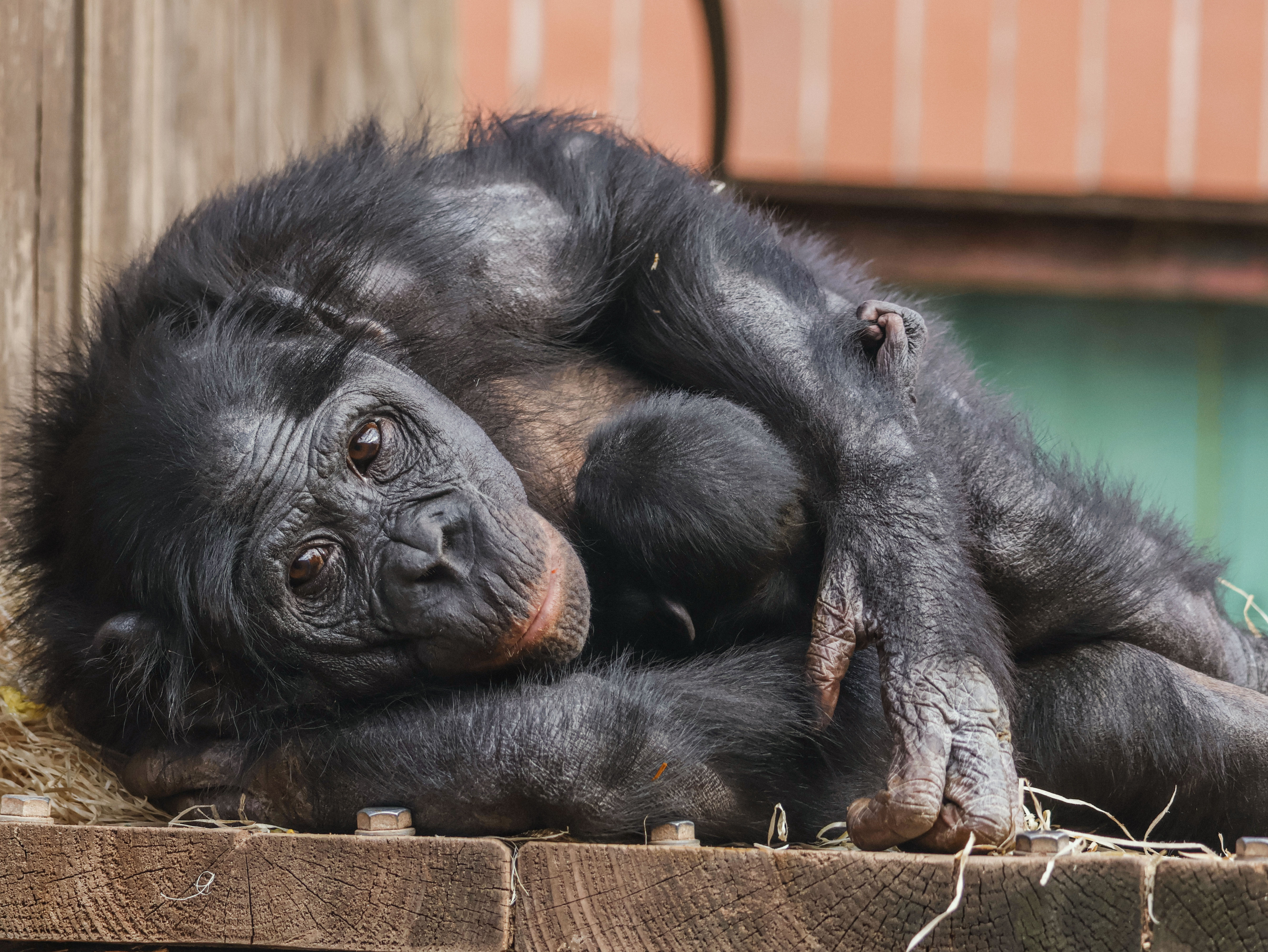
This birth, therefore, marks a significant moment for global conservation efforts in preventing this species from going extinct. Twycross is the only UK zoo to care for this species and is home to 10 per cent of the European population.
Dr Rebecca Biddle, chief conservation officer at Twycross Zoo, spoke to The Independent and said: “The birth of this endangered bonobo is a profoundly significant moment – a symbol of hope for one of the world’s most threatened great apes.
“As one of our closest relatives, it is only right that we make every effort possible to ensure that they persist on this earth alongside us.
“We can all make a difference in the conservation of a species, by supporting conservation charities and ensuring that we are making sustainable choices in our day to say lives.”
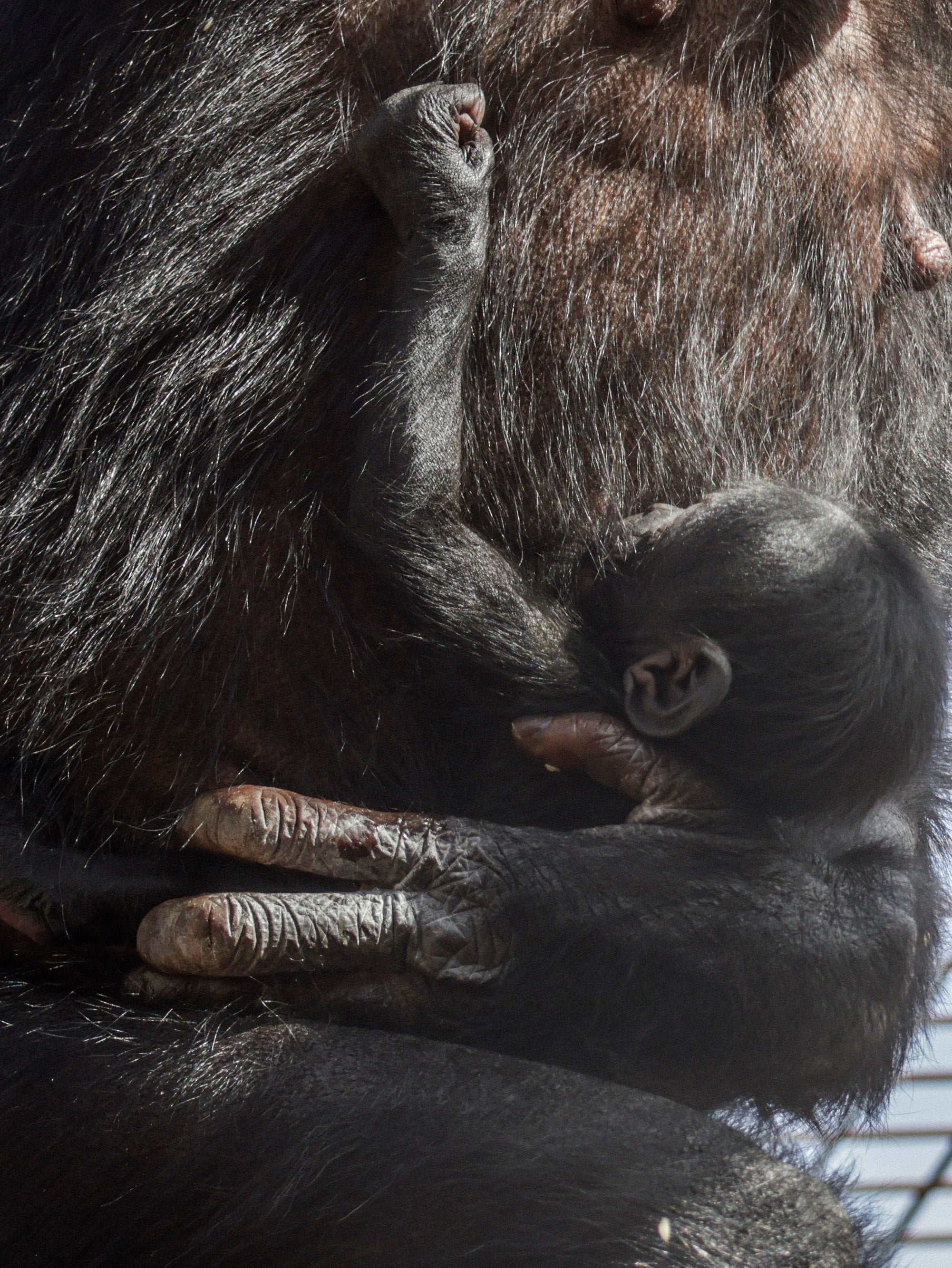
The 11-year-old ape Yuli arrived at the zoo from Vallée Des Singes in France as part of the European Association of Zoos and Aquaria conservation programme in 2023. The programme’s aim is to create a genetically diverse and healthy population of the species in zoo care, in support of their wild counterparts.
Twycross zoo also collaborates with their global partner Friends of Bonobos in The Democratic Republic of the Congo, who “work tirelessly to protect, rescue, rehabilitate and reintroduce bonobos in their native habitats within the Congo rainforest.” They also support their work with communities within the bonobo range to reduce illegal bushmeat hunting – one of the greatest threats alongside habitat destruction, to the survival of the bonobo.
Bonobos are fascinating creatures because they uniquely live in matriarchal societies, unlike other primate structures, which are usually dominated by a male leader.
The baby bonobo can already be seen by visitors, where he remains safely in his mother’s arms, offering a once-in-a-lifetime opportunity to witness one of the rarest newborns in the world, the zoo said.
Join our commenting forum
Join thought-provoking conversations, follow other Independent readers and see their replies
Comments
Bookmark popover
Removed from bookmarks