The surprising lasting benefit to the brain from playing board games
The research found there was a 76 per cent chance that playing board games will improve numeracy skills
Board games have long been a staple family-time activity or a fun way to bond with friends on a cosy night in – when they’re not the cause of chaos or arguments over the rules.
But now, new research shows that just a few minutes of board game play may have lasting benefits for the brain.
The research conducted by the University of Oregon analysed 18 studies looking at number board games and early maths skills in children from preschool through to second grade (year 3).
It found that there was a 76 per cent chance that playing games would improve numeracy skills when the players moved pieces along a straight numbered path.
Gena Nelson, one of the authors of the report, said: “We selected this topic because early math skills are a powerful predictor of children’s later success in school, and number board games are easy to use and affordable.
“This review shows that brief play sessions with linear-number board games can meaningfully improve foundational early math skills like counting, number recognition and understanding quantity.”
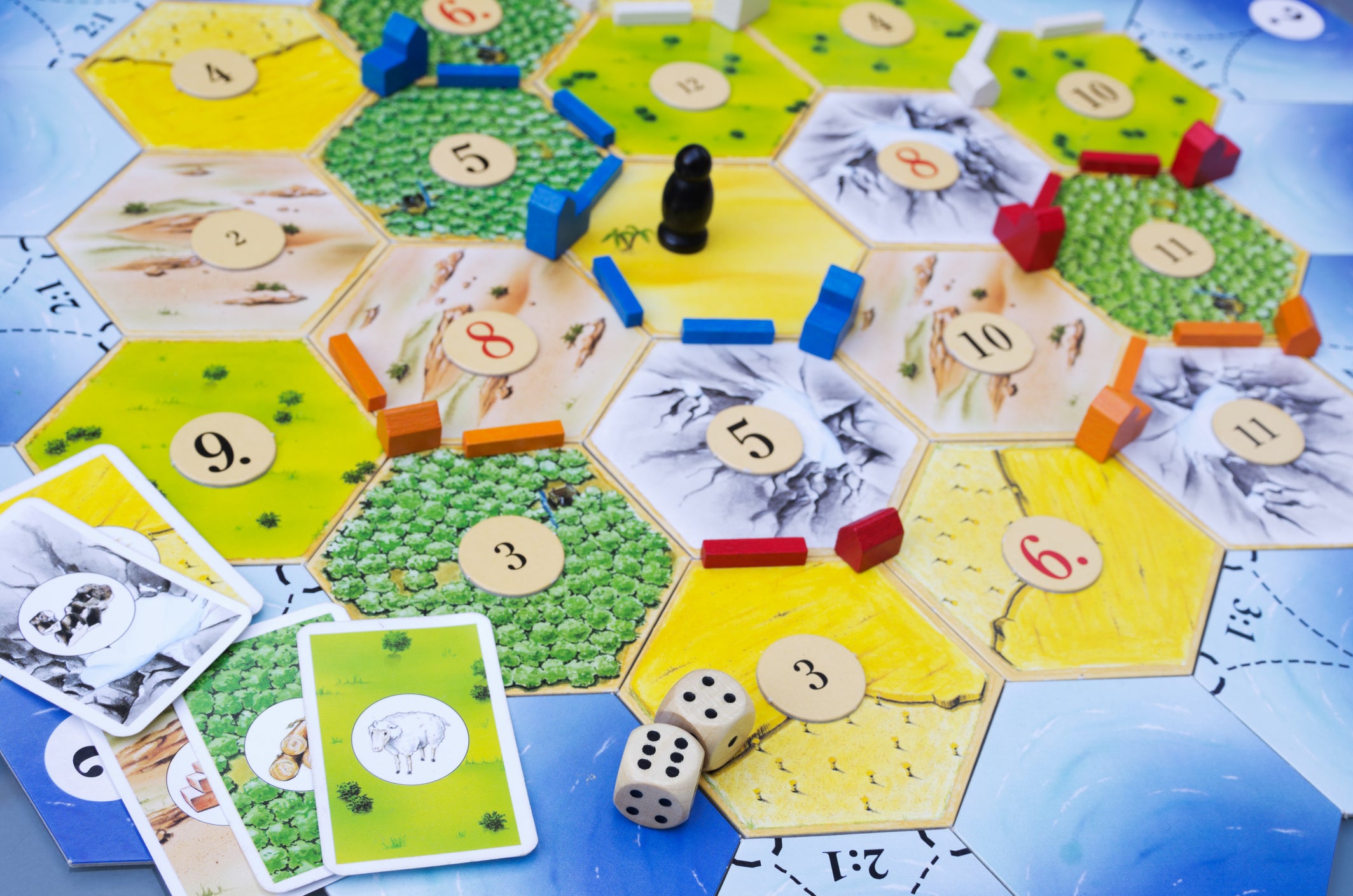
Natalie Mackenzie, brain and cognition expert who has 20 years of experience and runs her own company, explained how board games can be helpful for adults by supporting attention spans, working the memory and improving problem-solving.
She added structural rules and “fun goal-directed behaviours” can be rewarding and offer social connection.
“These games activate and use a number of brain areas and systems at once,” she told The Independent.
“The prefrontal cortex, responsible for executive functioning such as planning, decision-making and impulse control, is active for counting spaces, remembering rules and planning moves. Additionally, the hippocampus (central for memory and learning) is engaged in recall and repetition of sequences and patterns.”
She said games can provide “multi-sensory input” including visual processing, spatial awareness and physical movement, which can help strengthen the brain.
“In a young and adaptable brain, this is very valuable practice,” she added. “Cells that fire together, wire together. The more an action or process is practised and repeated, the stronger the output and connection long term.”

The authors behind the study for children, Dr Nelson and Marah Sutherland, are now testing a set of original number games, storybooks with maths themes, and conversational prompts to be used in the home with parents who have a three- to five-year-old child with a disability.
The team are hoping to incorporate features from some of the best number board games into a game they’re designing for their own research study of board play for children with disabilities. They have integrated different levels and optional math challenges for parents to incorporate, depending on the skills of their child.
Dr Sutherland said: "Something that we learned from our meta-analysis was the need for early math activities to be highly adaptable based on children's readiness for learning about different numbers.
“The response from parents about using the adaptable math activities at home with their children with diverse learning needs has been overwhelmingly positive.”
Join our commenting forum
Join thought-provoking conversations, follow other Independent readers and see their replies
Comments
Bookmark popover
Removed from bookmarks