Amateur beekeeper dies from sting after failing to wear protective gear
A coroner said that the 55-year-old’s death was ‘pursuant to developing an anaphylactic reaction to a bee sting on his left ear’

An amateur beekeeper tragically died from anaphylactic shock after being stung by a bee, having failed to wear a protective hat, a coroner has concluded.
Alan Ransom, 55, from Godshill, Ventnor, on the Isle of Wight, passed away on 15 May 2024 at St Mary’s Hospital in Newport, as detailed in the written inquest conducted by senior coroner Caroline Sumeray.
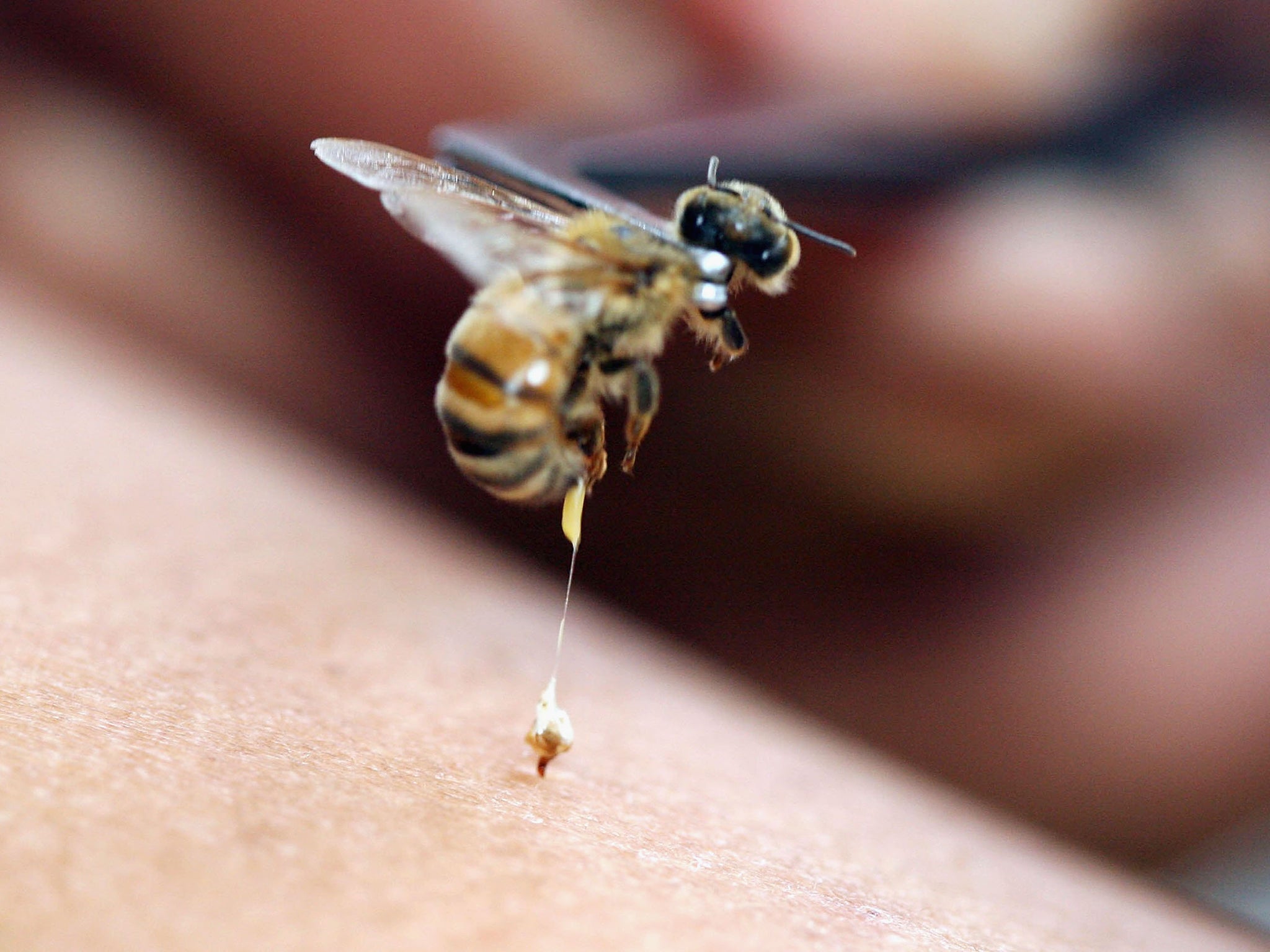
Recording a conclusion of misadventure, Ms Sumeray formally stated the cause of death as hypoxic ischaemic encephalopathy and anaphylactic shock, directly resulting from a severe reaction to a bee sting.
The coroner further elaborated that the 55-year-old’s death was "pursuant to developing an anaphylactic reaction to a bee sting on his left ear, after he failed to wear a beekeeper’s hat."
Mr Ransom, who was born in Epsom, Surrey, and worked professionally as a civil engineer, had also cultivated a significant online presence. Since July 2022, he had run a YouTube channel under the name "The Vectis Beeman," where he openly described himself as a "hobbyist beekeeper."
Within the channel’s description, he articulated his mission, stating: "Follow my journey as I document my mistakes and my successes as I endeavour to progress from a complete newbie to a more experienced and rounded beekeeper."
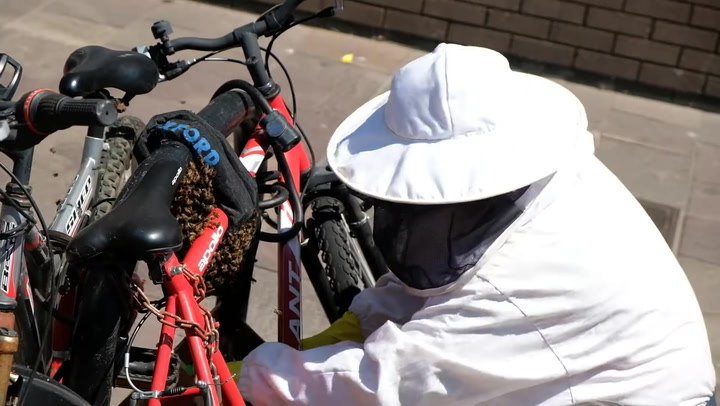
In 2023, Mr Ransom had garnered local attention when he successfully rehomed a substantial swarm of approximately 2,000 bees from the car park at the headquarters of Island Roads in Newport, his place of employment, relocating them to one of his hives situated at Marvel Solar Farm.
Anaphylaxis is a life-threatening allergic reaction caused by food, medicine or insect stings.
People should call 999 if they think they or someone else is having an anaphylactic reaction.
Symptoms come on rapidly and include swelling of the throat and tongue; difficulty breathing or breathing very fast; difficulty swallowing, tightness in the throat or a hoarse voice; wheezing, coughing or noisy breathing; feeling tired or confused; feeling faint, dizzy or fainting; and blue, grey or pale skin, lips or tongue.
People may also have a rash which is swollen, raised or itchy.
The MHRA said it has strengthened its guidance on how to recognise and respond to signs of anaphylaxis, including the use of adrenaline auto-injectors (EpiPen and Jext), which are prescribed to people at risk of anaphylaxis.
It said the immediate steps taken in response to anaphylaxis can be the difference between life and death.
Join our commenting forum
Join thought-provoking conversations, follow other Independent readers and see their replies
Comments
Bookmark popover
Removed from bookmarks