Sirens blare as emergency test alert sent to phones across UK
Millions of phones sounded and vibrated during the test
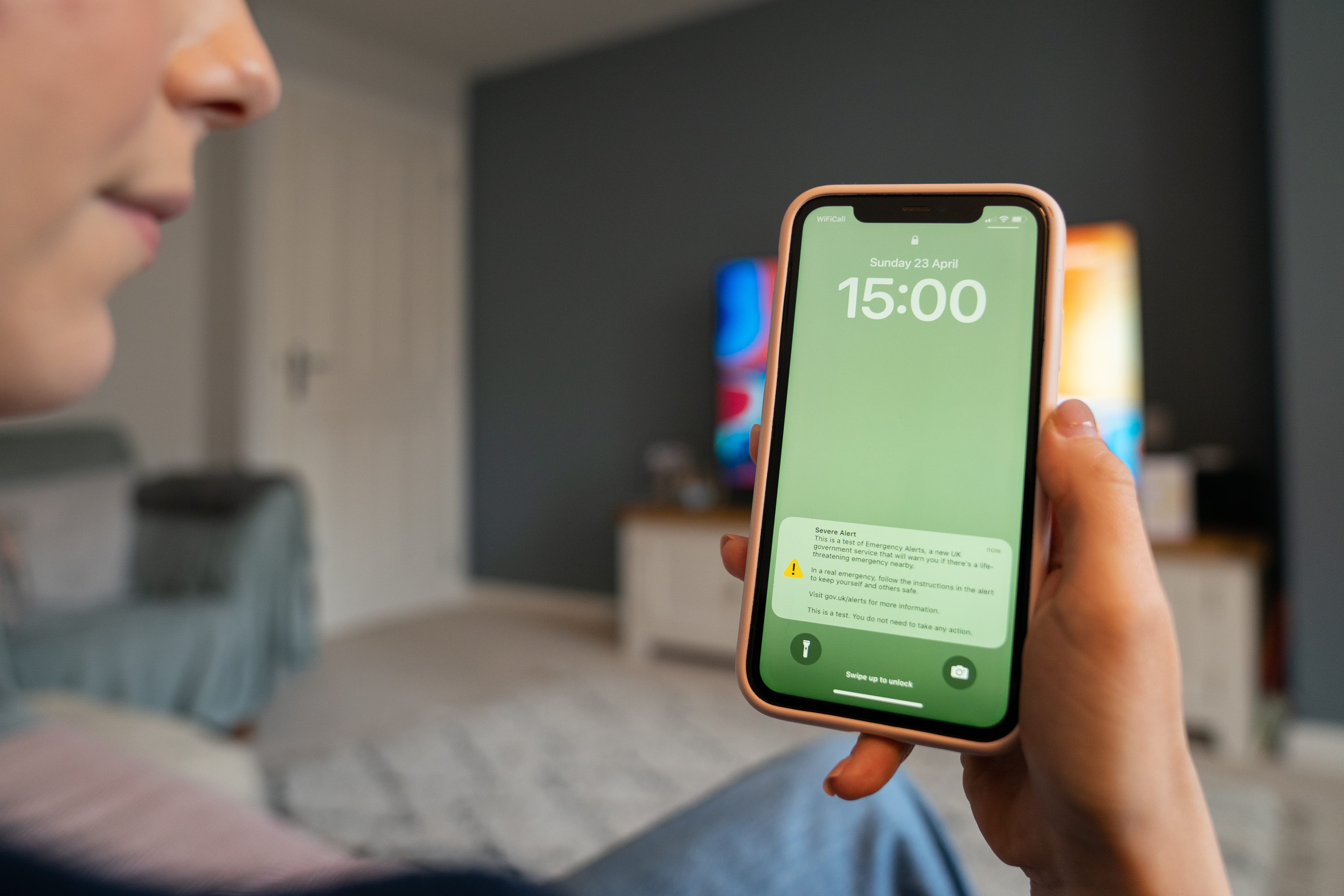
Siren sounds blared from mobile phones across the UK on Sunday afternoon as the national emergency alert system underwent its second test.
At approximately 3pm, devices connected to 4G and 5G networks vibrated and emitted a distinctive sound for around 10 seconds.
The first test of the system was conducted in 2023.
Prime Minister Sir Keir Starmer confirmed the success of the exercise, writing on X: “Tens of millions of phones successfully sounded across the country during today’s Emergency Alert test.
“This is an important step in keeping people safe during national emergencies.”
The alert prompted adjustments to sporting schedules, with the Super League derby between Hull KR and Hull FC reportedly pushed back.
Meanwhile, the alarm happened between overs at England’s third ODI cricket match against South Africa at Southampton.
Fans had been warned via a message on the big screen about the alert.
In the Ireland v New Zealand Women’s Rugby World Cup at Brighton, there was an announcement on the big screen a minute before the alert.
The referee briefly paused the match while it was happening.
Theatre-goers were earlier advised to turn their phones off and drivers urged not to be distracted behind the wheel.
Mobile phone users received a message making clear that the alert was a drill.
A small crowd in the atrium at London’s Liverpool Street Station hastily checked their phones when sirens emitted from devices in the test.
One man was seen waving his phone around after it sounded at about 3pm.
Some appeared surprised by the sudden noise but others seemed aware that the test would be happening.
Jasmine Patel, 53, and her 19-year-old daughter Meera Sreejit, both from Ipswich, were standing by one of the departure boards when the alert went off.
Jasmine Patel said: “It did take me by surprise but then because Meera was with me she explained.
“It wasn’t loud, but you could understand that many people were getting it at the same time.”
The Government has used the system to issue real warnings five times, including in January during Storm Eowyn to warn people in Scotland and Northern Ireland about severe weather.
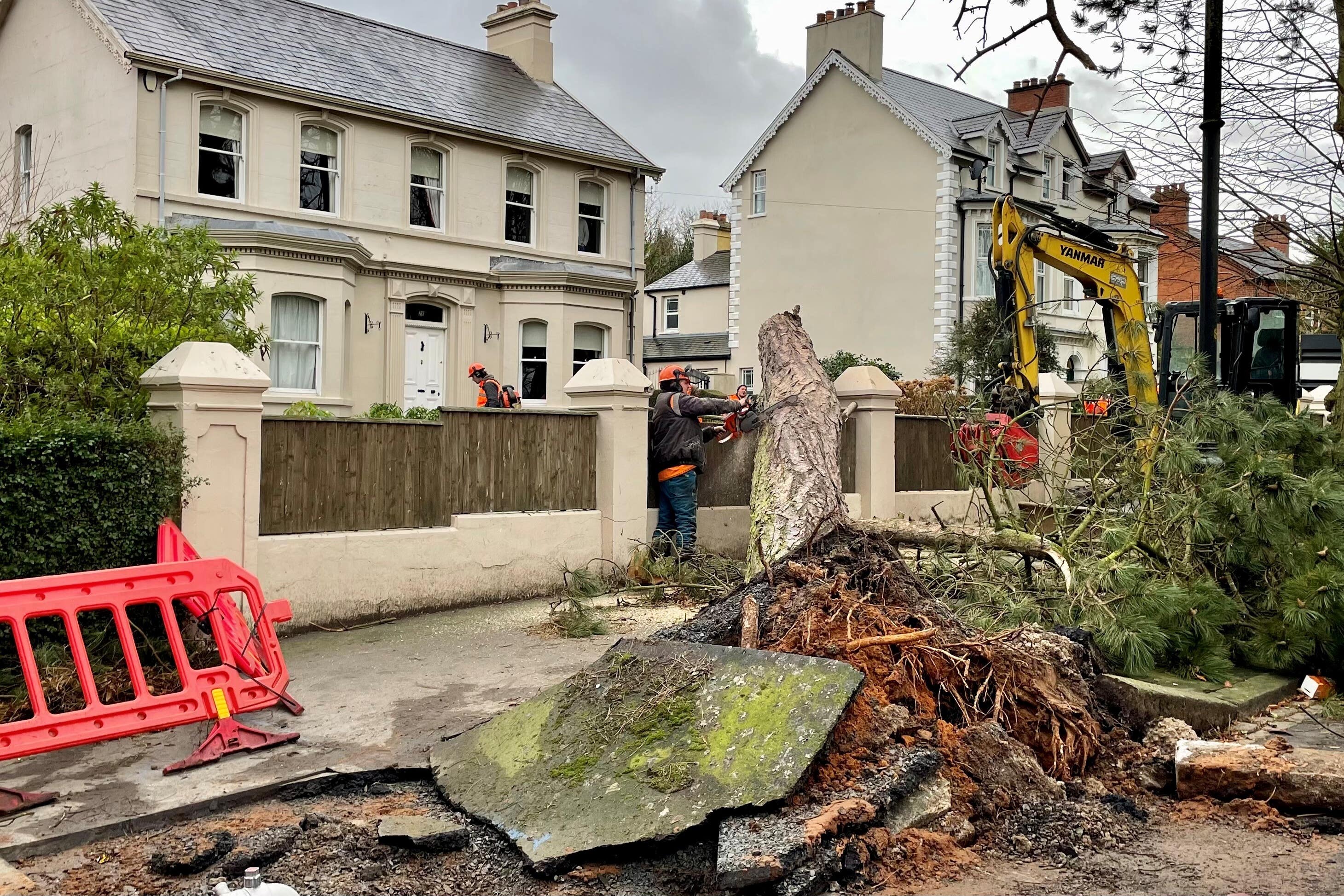
Approximately 3.5 million people across Wales and south-west England received an alert during Storm Darragh last December.
A 500kg unexploded Second World War bomb found in a Plymouth back garden triggered a warning to some 50,000 phones in February last year.
Messages can be targeted to relatively small areas to pinpoint those at risk.
Around 15,000 phones were alerted during flooding in Cumbria in May 2024, and 10,000 received a warning during flooding in Leicestershire in January this year.
The system is designed for use during the most likely emergencies to affect the UK and warnings would also be transmitted on television, radio and locally by knocking on doors.
Government officials also met with domestic violence charities and campaigners for discussions on helping those who needed to opt out of the test.
Join our commenting forum
Join thought-provoking conversations, follow other Independent readers and see their replies
Comments
Bookmark popover
Removed from bookmarks