Britain’s harsh truth is that we have a history of abandoning those who’ve risked everything to help us
British troops need local allies, interpreters, trackers, and fixers when fighting abroad, but our record in Afghanistan is one of betrayal and abandonment. And the most worrying thing? This isn’t the first time it has happened, writes Guy Walters


Britain likes to think of itself as a nation that honours loyalty. It salutes its soldiers, cherishes its veterans, and builds grand narratives around comradeship and duty. Yet, behind that national self-image lies a harsher truth: when it comes to those who have risked everything to help us in our wars abroad, we are alarmingly quick to forget them.
The recent revelation that the names and details of tens of thousands of Afghans who worked alongside British forces were leaked and left exposed – thanks to a staggering data breach – has laid bare not only a monumental failure of security but also a deeper, historical pattern of neglect.
These interpreters, drivers, fixers and logistical staff were essential to the British war effort in Afghanistan. They were not on the periphery; they were at the centre of operations, guiding soldiers through complex cultural terrain, translating intelligence, calming hostile situations, and often saving lives. Their reward? Having their identities posted online for the Taliban to find.
For nearly two years, the British government successfully suppressed the story with a super-injunction, while some of these people lived in fear, unsure whether their names were among those leaked, and with no clear way to find out. Since then, the Ministry of Defence has scrambled to relocate thousands of Afghans under Operation Rubific, at a cost of some £7bn. But thousands remain. Thousands are still at risk.
The Independent has been campaigning for the cause of the Afghan helpers for the past two years, during which time we showed that five in six Afghan applicants are rejected from the military scheme established to give sanctuary to those in danger from the Taliban.


Two years ago, the paper also revealed the desperate plight of an Afghan colonel, who fought alongside British troops and fled to Britain on a small boat, and yet was disgracefully threatened with deportation to Rwanda.
But this horrific leak is not an isolated failure. On the contrary, it echoes a recurrent pattern throughout British military history.
The North-West Frontier of the 19th and early 20th centuries is a stark early chapter. Britain’s hold over Indian borderlands – today’s Pakistan – relied less on troops and more on local militias: the Khyber Rifles, Tochi Scouts, Chitral Scouts, and Pathan Levies.
Raised on local knowledge, steeped in tribal loyalty, they patrolled treacherous gorges and confronted armed insurgents. One such unit, the Chitral Scouts, formed in 1903, drew on local mountaineers and remained indispensable to frontier control.
Yet as soon as regular British units withdrew – ostensibly for financial reasons during the Second World War – and strategic priorities shifted, it was these indigenous groups who were left to face reprisals, their villages caught between tribal revenge and state indifference. Their sacrifice was recognised in dispatches, their fate forgotten. Their usefulness had expired; so, it seemed, had our obligations.
Decades later, the dense jungles of Malaya bore a strikingly similar tale. In the Malayan Emergency from 1948 to 1960, Britain mobilised Iban trackers – skilled bushmen from Borneo – to help root out communist insurgents. Just seven weeks after the conflict began, 49 Ibans arrived; by late 1948, hundreds were in deployment, and by 1952, more than a thousand had worked through Malaya.
They gained a sterling reputation: undeterred, indefatigable, and brave. Some were awarded medals, including the George Cross and the George Medal – yet were officially deemed civilians, so excluded from pensions or long-term recognition. A handful were later absorbed into the Sarawak Rangers in 1953, but most returned to anonymity once the conflict subsided. Their exceptional service merited little more than oral history and fading photographs.
Even those allies who served as professional soldiers found themselves on the wrong side of British amnesia. The Gurkhas – those famously fearsome and loyal Nepalese warriors who have fought for Britain since the early 19th century – endured decades of inequality.
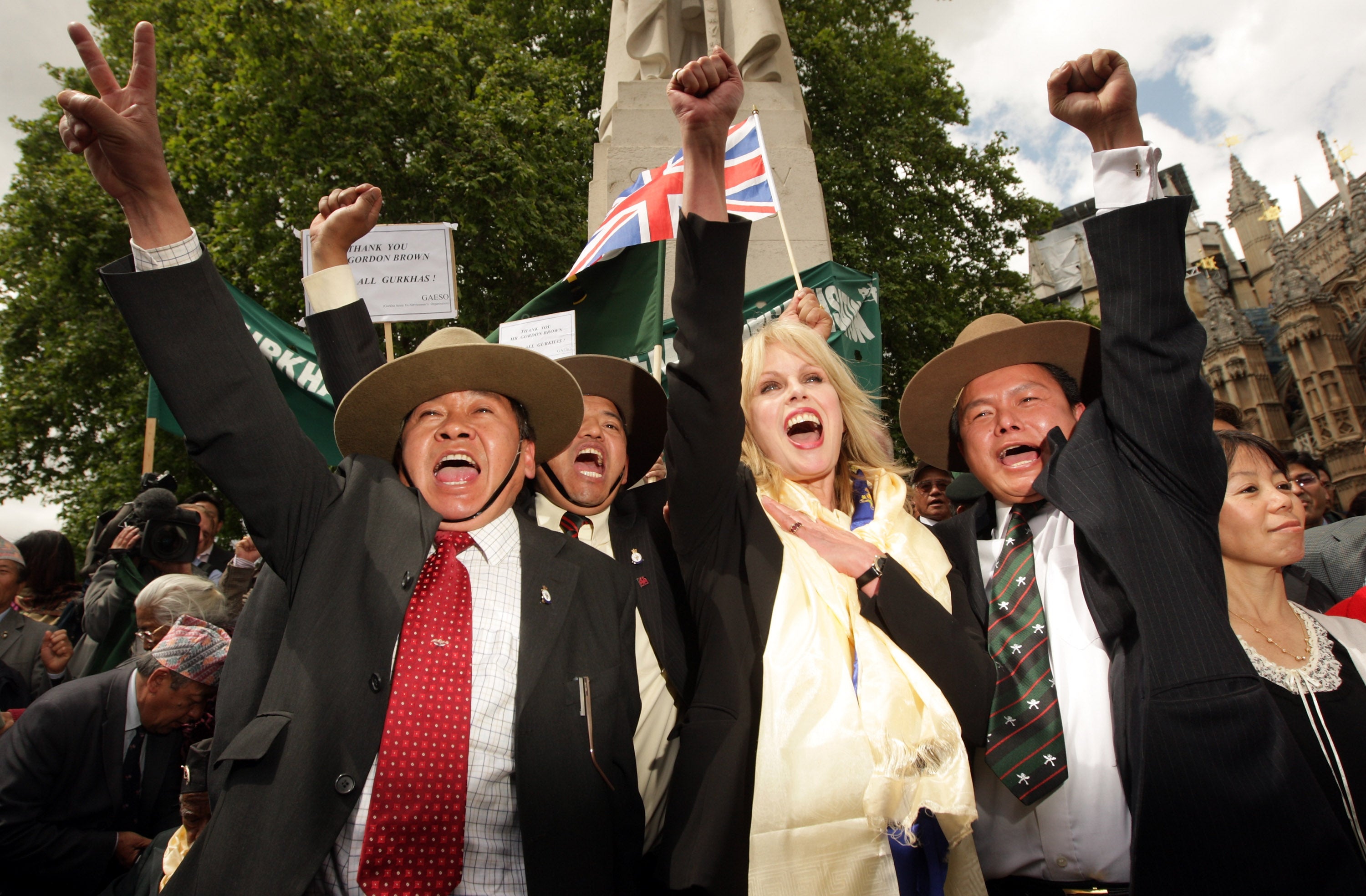
Paid less than their British counterparts, denied settlement rights, and excluded from pensions until a sustained and high-profile campaign finally forced the government to act in 2009, they had to fight not just on battlefields, but in courtrooms and newspapers for what they were owed. And even then, many of the changes only applied to those who served after 1997, leaving older veterans with scant recompense for their decades of loyal service.
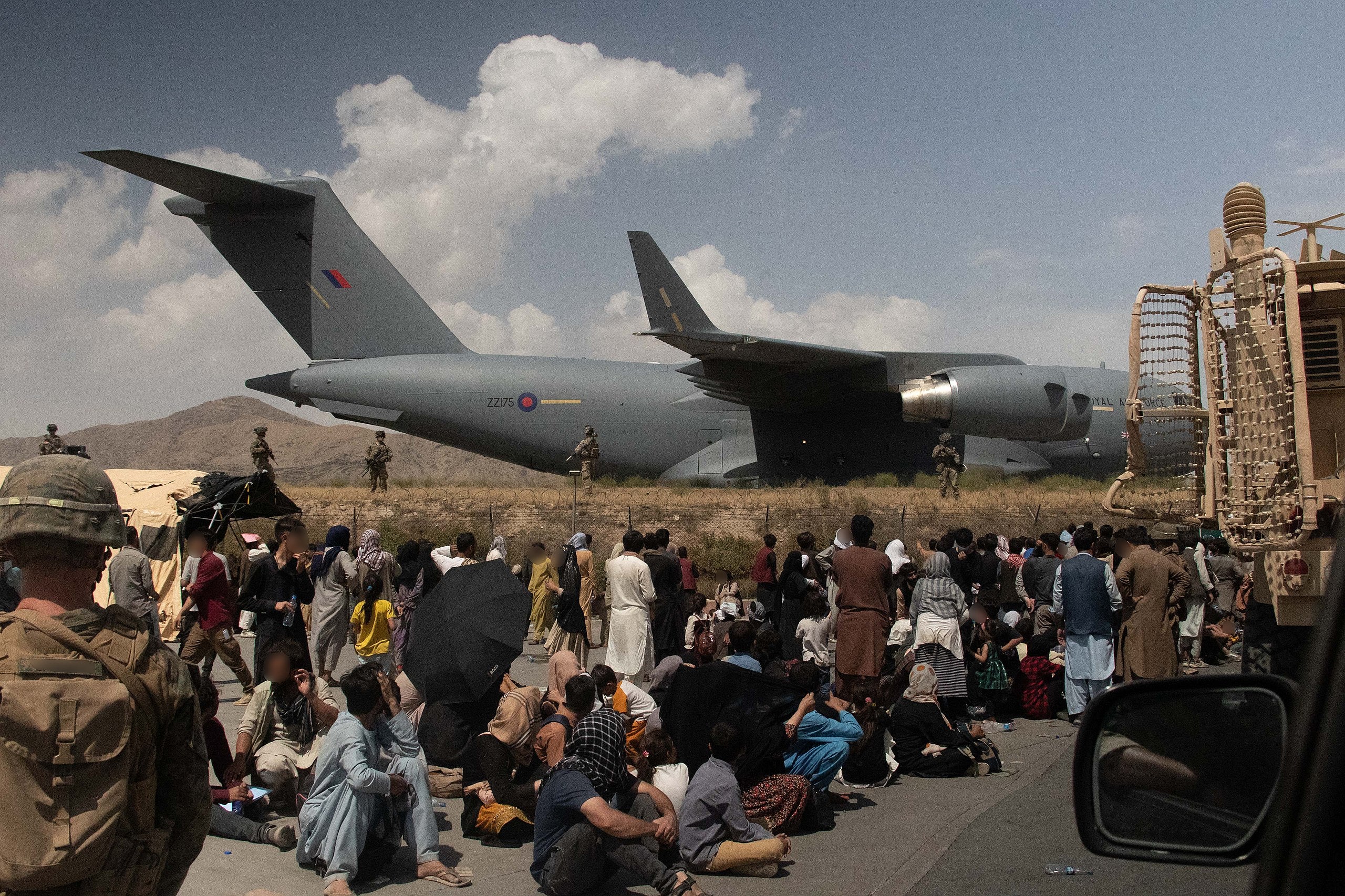
The betrayal extends to Iraq and Afghanistan in more recent memory. In Iraq after 2003, British forces relied on hundreds of local interpreters – vital conduits between soldiers and civilians. Some became targets of extremist militias. The British resettlement scheme, however, lagged far behind that of the Americans; names leaked from internal emails, and some interpreters were killed before official offers of protection arrived.
Afghanistan, in turn, has given us similarly harrowing scenes: drivers and translators who followed British patrols in Helmand Province but found their applications stalled, their emails unacknowledged. Many who expected evacuation were left hoping, waiting, praying. Interpreters have complained of opaque processes, sudden refusals, and long waits in danger zones.
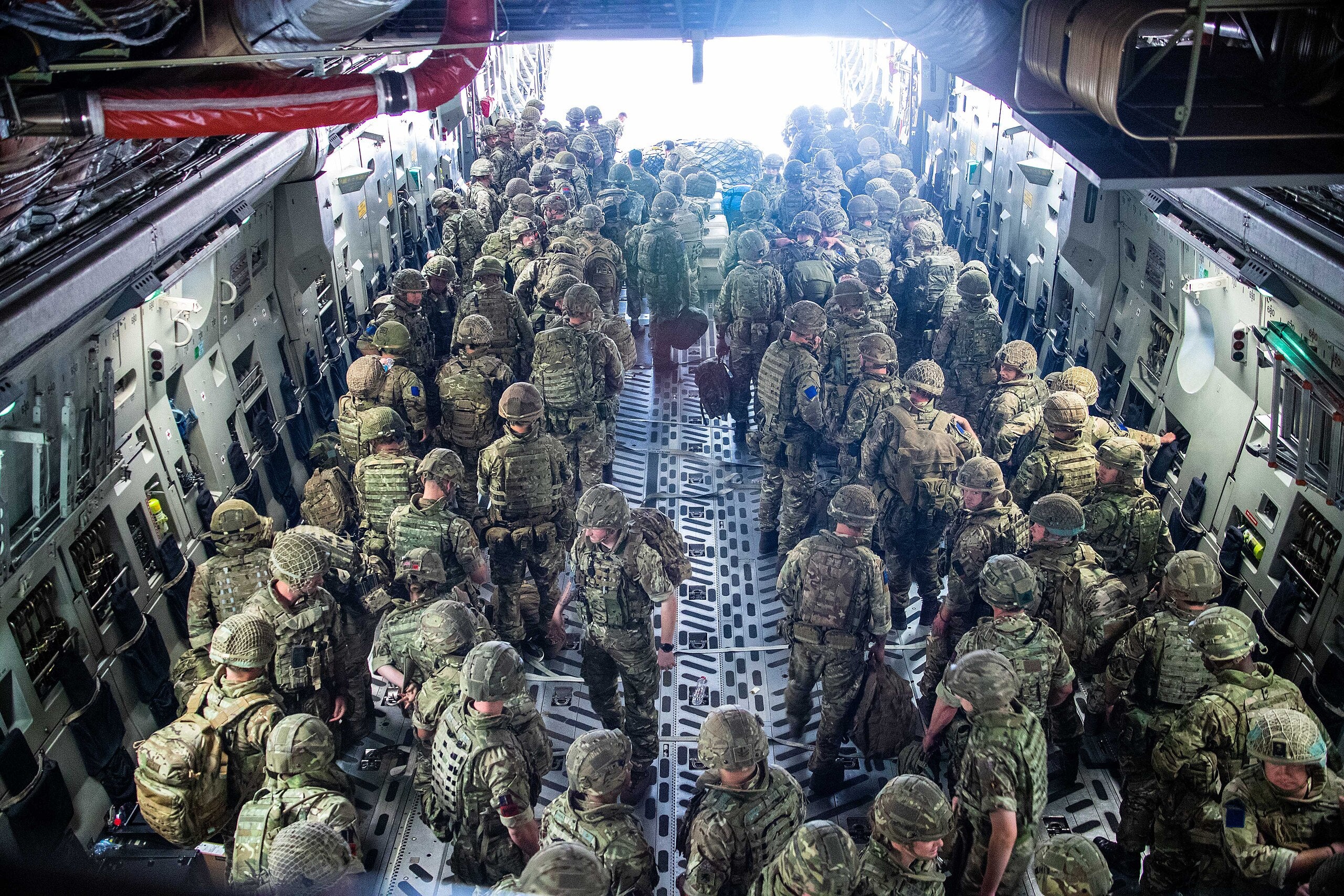
Many of the promises made by ministers during the fall of Kabul in August 2021 – almost four whole years ago – have yet to materialise for the people who pinned their survival on them. But the leak, caused by simple human error and then hidden by a super-injunction, elevates this from failure to farce. In peacetime, such a mistake would result in resignations. In wartime, it is a matter of life and death.
What makes this more bitter is the contrast with how Britain treats those who serve in secret. The intelligence services are famously and admirably rigorous in protecting their sources.
The names of spies and informants are held in complete confidence, often for decades, even centuries. The Official Secrets Act is not some dusty document; it is a living, breathing code of silence and protection.
We will go to extraordinary lengths to protect the identity of someone who passed us information from behind the Iron Curtain. But if that person stood next to our soldiers in Helmand or Basra? They’re on their own.
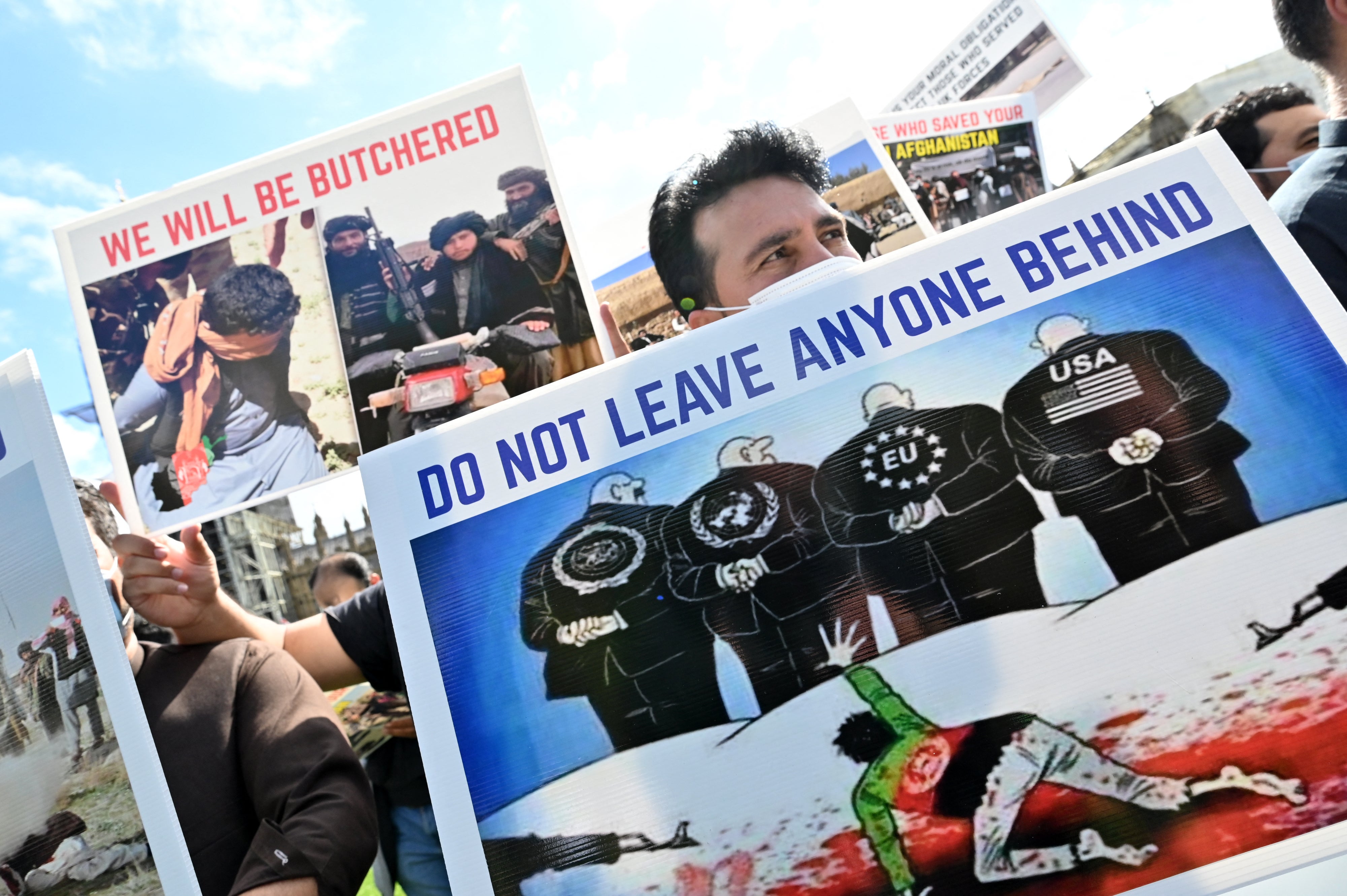
The brave man or woman who helps us has no cloak of invisibility. Their name is on a roster; their visa applied for; their presence logged in databases vulnerable to error and neglect. He or she stands visibly beside British troops – and is abandoned visibly, too.
There is also a cost beyond the moral. In future conflicts, Britain will need help. We will need local allies, interpreters, trackers, fixers. If those people look at our record and see betrayal and abandonment, they will think twice. And who can blame them?
What rational person would risk everything for a power that consistently walks away when the danger turns inward? To rely on an alliance is not charity – it is mission-critical. Betray it, and your mission dies long before the bullets fly.
It is time for this country to put its commitments in writing, not just in rhetoric. We need a legally binding contract with those who work alongside us in conflict zones – a promise of resettlement, of sanctuary, of long-term support. Their loyalty should not have to be bought. But it must, at the very least, be honoured.
The time is surely right for legislation – a “helper covenant”, perhaps – ensuring asylum, relocation, practical support, recognition. Not token words, but actionable rights. Interpreters, trackers, drivers: titled, registered, resettled.
If we fail to respond with urgency, clarity, and structural change, we will have answered the question long before it is asked again. We will have confirmed that the British promise is empty – that we honour valour only in victory, and neglect loyalty after withdrawal. It is time to decide: will we break the cycle, or will we let it continue?
The Afghan leak is a scandal, but it is also our mirror. It reflects every forgotten scout, every bypassed interpreter, every ignored Gurkha. We have been here before and we keep choosing the same path. We puff ourselves up with rhetoric and then walk away.
Tomorrow’s potential allies are watching. In failing to protect those who served us so publicly, we chip away at our own credibility. And that may be our greatest betrayal of all.
Join our commenting forum
Join thought-provoking conversations, follow other Independent readers and see their replies
Comments
Bookmark popover
Removed from bookmarks