Live facial recognition pilot leads to 100 arrests in first few months
The Metropolitan Police says the pilot in Croydon has so far led to 103 arrests
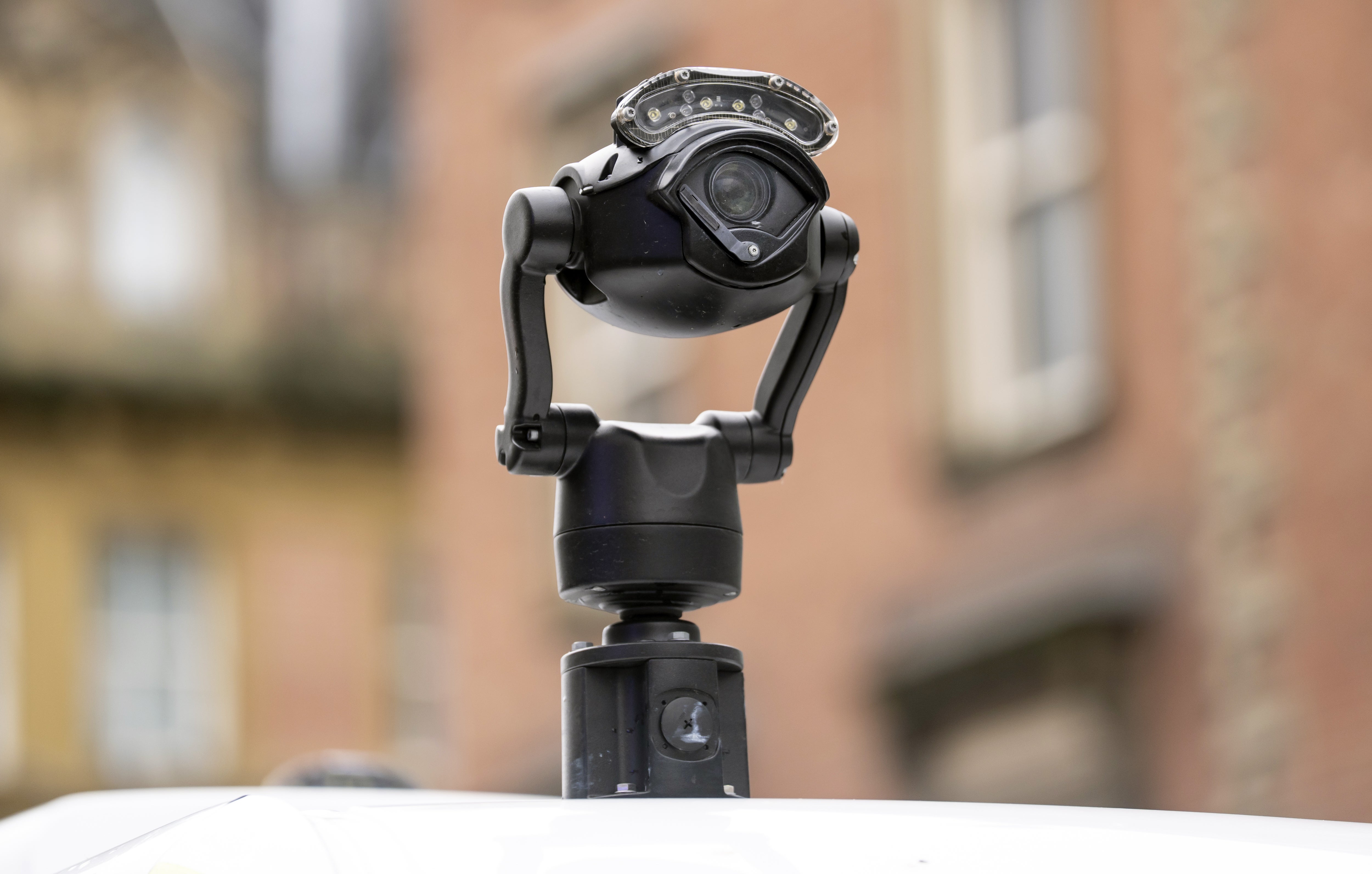
More than 100 wanted criminals have been arrested in the first few months of a pilot programme in which live facial recognition (LFR) cameras were mounted onto street furniture.
Since October, LFR cameras have been fixed to structures in Croydon, and their feeds monitored remotely, allowing officers to run deployments without a van.
The Metropolitan Police says the pilot has so far led to 103 arrests, a third of which were over offences involving violence against women and girls.
Those arrested also included a woman who had been at large for more than 20 years, who was wanted for failing to appear at court for an assault in 2004; a man wanted on suspicion of kidnap; and a sex offender suspected of breaching his Sexual Harm Prevention Order.
Since the start of 2024, the Met has taken more than 1,700 offenders off the streets of London using LFR.
The force has hailed its “impact and success” but the technology has faced criticism, with the Equality and Human Rights Commission (EHRC) last year describing the Met Police’s policy on use of live facial recognition technology as “unlawful”.
The equalities watchdog said the rules and safeguards around the UK’s biggest police force’s use of the technology “fall short” and could have a “chilling effect” on individuals’ rights when used at protests.
In response, the force defended its use as “both lawful and proportionate, playing a key role in keeping Londoners safe”.
Campaign organisations have also objected to the technology, with civil liberty group Big Brother Watch claiming “facial recognition surveillance” turns the country into “an open prison”.
In December, ministers seeking to ramp up police use of facial recognition to fight crime launched a 10-week consultation to ask for views on how the technology should be regulated and how to protect people’s privacy.
The government was also proposing to create a regulator to oversee police use of facial recognition, biometrics and other tools and is collecting opinions on what powers it should have.
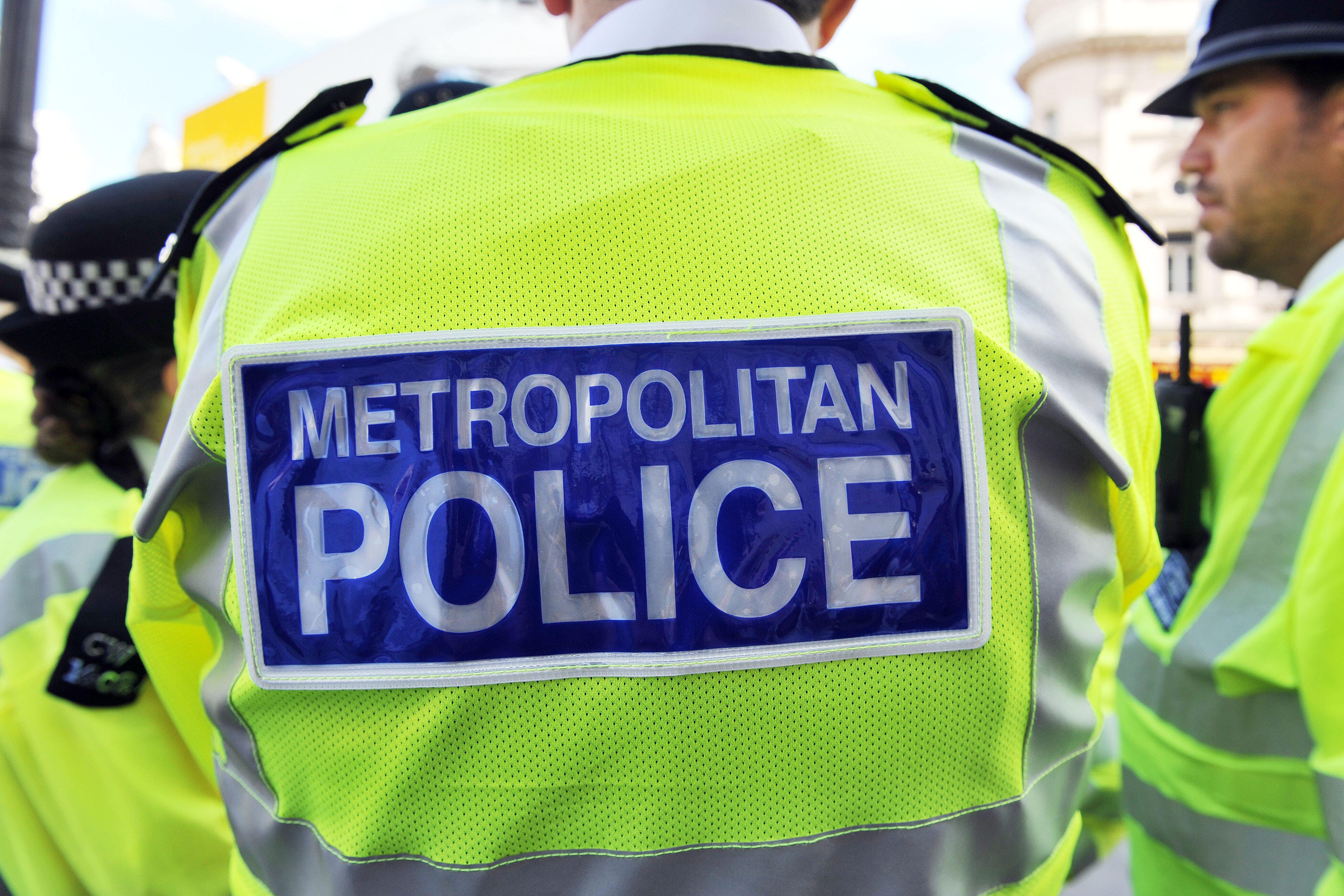
Lindsey Chiswick, the Met and national lead for LFR, said: “The increase in LFR deployments across crime hotspots in London is driven by its proven impact and success — with more than 1,700 dangerous offenders taken off London’s streets since the start of 2024, including those wanted for rape and child abuse.
“This is why we are trialling a new and innovative pilot in Croydon. It allows us to explore a different way of using facial recognition by operating it remotely and more efficiently.
“The amount of arrests we have made in just 13 deployments shows the technology is already making an impact and helping to make Croydon safer. Public support remains strong, with 85 per cent of Londoners backing the use of LFR to keep them safe.”
The LFR cameras in Croydon are only activated when officers are present and conducting a deployment, according to the Met.
The force said Croydon was selected because it is a “crime hotspot” and that there are currently no plans to extend the scheme to other areas.
Since the start of 2024, LFR deployments in Croydon have resulted in 249 arrests, with 193 of those going on to be charged or cautioned.
In November, a new fleet of LFR vans was rolled out by Greater Manchester, West Yorkshire, Bedfordshire, Surrey, Sussex, Thames Valley and Hampshire police forces in an expanded pilot programme, joining the Met, South Wales Police and Essex Police in their use.
The Home Office spent £6.6 million last year on evaluating and adopting the technology, including £3.9 million on creating a national facial matching service.
Bookmark popover
Removed from bookmarks