Man who burned Koran outside Turkish consulate in London wins appeal
The 51-year-old’s case was backed by free speech campaigners, who paid for his legal costs
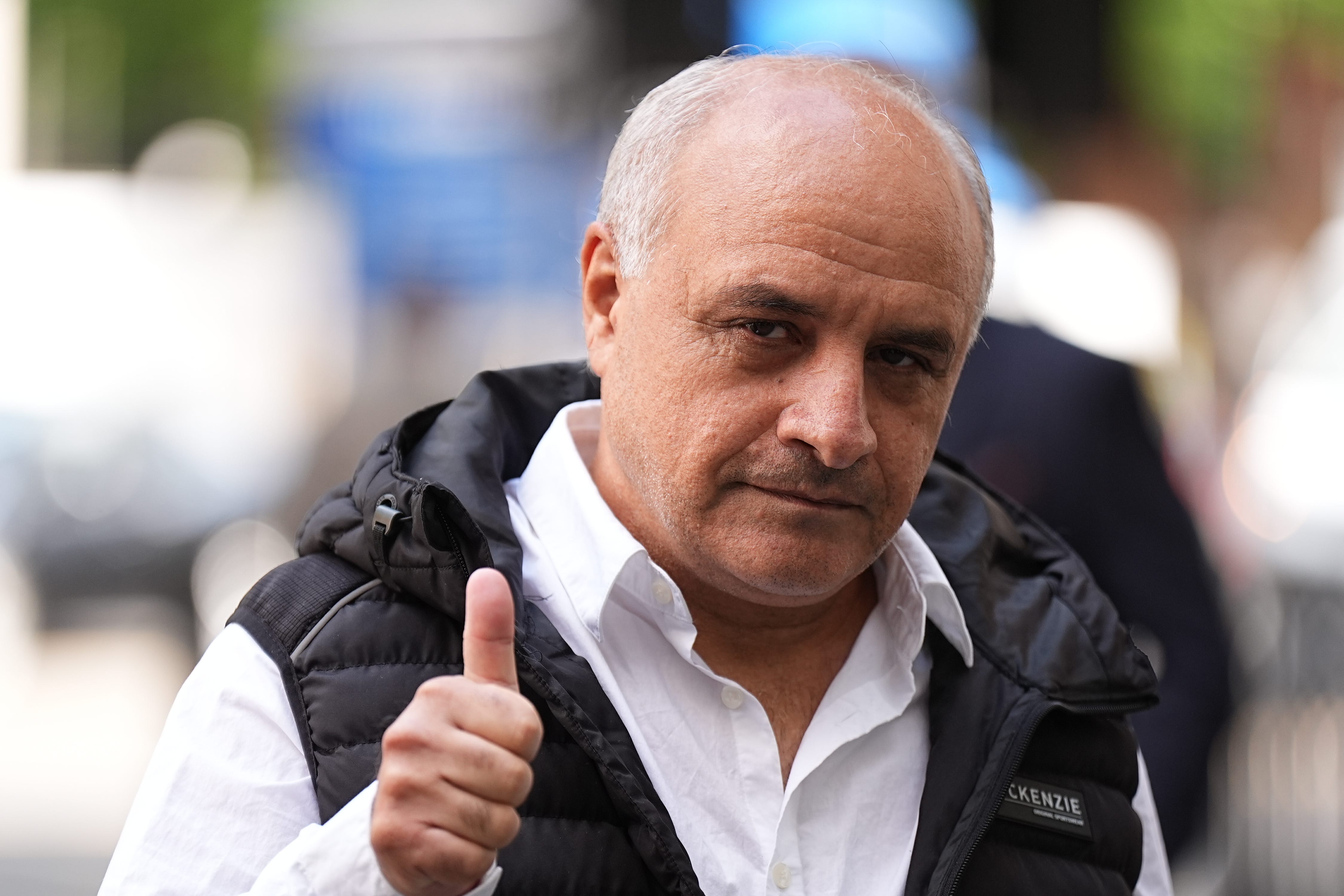
A man who burned a Koran in London has won an appeal against a conviction which campaigners had criticised as an attempt to bring back blasphemy law.
Hamit Coskun was found guilty earlier this year of a religiously aggravated public order offence, having shouted “f*** Islam” while holding the flaming religious text aloft outside the Turkish consulate in England’s capital city in February.
But, backed by free speech campaigners, the 51-year-old successfully appealed against the conviction, with a judge finding in his favour at Southwark Crown Court on Friday.
Mr Coskun, who is half-Kurdish and half-Armenian and was born in Turkey but lives in England, had his legal case funded by the National Secular Society (NSS) and the Free Speech Union (FSU).

His appeal case was also attended this week by Conservative shadow justice secretary Robert Jenrick, who said while he did not agree with what Mr Coskun had done: “I don’t believe it’s a crime”.
Mr Jenrick and other campaigners had argued the prosecution and conviction was akin to blasphemy being reintroduced “by the back door, inadvertently, by our court service”.
Blasphemy laws were abolished in England and Wales in 2008 and in Scotland in 2021.
In Northern Ireland, such laws date back to the early 19th century and, while rarely used, blasphemy and blasphemous libel remain offences.
Mr Coskun’s trial in June saw him convicted at Westminster Magistrates’ Court of a religiously aggravated public order offence of using disorderly behaviour “within the hearing or sight of a person likely to be caused harassment, alarm or distress”, motivated by “hostility towards members of a religious group, namely followers of Islam”, contrary to the Crime and Disorder Act 1998 and section five of the Public Order Act 1986.
Bookmark popover
Removed from bookmarks