Scientists perform world’s first pig-to-human lung transplant
Organ remains functional for nine days after surgery
Chinese scientists have performed the first pig-to-human lung transplant ever, with the organ remaining functional for over a week after surgery.
Xenotransplantation, as the process of transplanting organs from one species into another is called, has witnessed milestone developments in recent years with doctors showing the feasibility of transplanting kidneys, hearts and livers from pigs into humans.
Now, researchers at Guangzhou Medical University have performed a cross-species lung transplantation.
“Here, we report a case of pig-to-human lung xenotransplantation, in which a lung from a six-gene-edited pig was transplanted into a 39-year-old brain-dead male human recipient following a brain haemorrhage,” the researchers wrote in a study published in the journal Nature Medicine.
Before taking its lung, the scientists edited some of the pig’s genes to remove proteins that could activate the human immune system following transplantation.
In the experimental procedure, the Chinese scientists transplanted the left lung of the gene-edited pig into a human recipient who had been declared brain-dead by four clinical assessments.
They injected the recipient with drugs to suppress the immune system and assessed how the lung functioned and the human immune system responded.
The lung was not immediately rejected by the immune system and stayed functional for nine days.
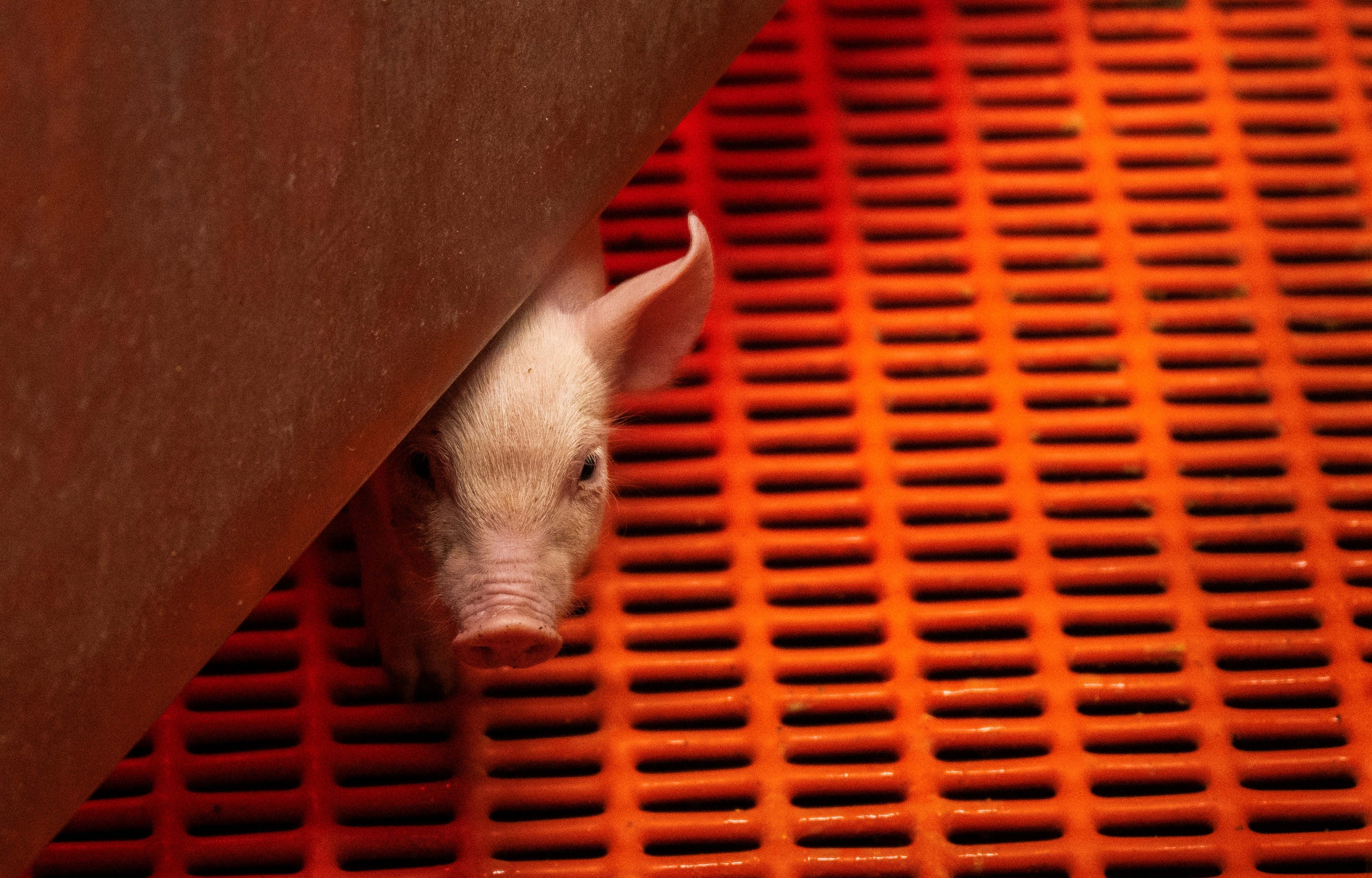
“The lung xenograft maintained viability and functionality over the course of the 216 hours of the monitoring period, without signs of hyperacute rejection or infection,” the study noted.
The researchers, however, observed signs of lung damage at 24 hours after transplantation and signs of antibody-mediated rejection at days 3 and 6, leading to the termination of their experiment on day nine.
“Antibody-mediated rejection appeared to contribute to xenograft damage on postoperative days 3 and 6, with partial recovery by day 9,” they noted.
The scientists hope that implanted pig lungs can maintain long-term function with improvements to donor genetic modifications and the use of better drugs to suppress the human immune system.
“Although this study demonstrates the feasibility of pig-to-human lung xenotransplantation, substantial challenges relating to organ rejection and infection remain, and further preclinical studies are necessary before clinical translation of this procedure,” they wrote.
Join our commenting forum
Join thought-provoking conversations, follow other Independent readers and see their replies
Comments
Bookmark popover
Removed from bookmarks