Microplastics can raise heart disease risk in men, study finds
Researchers say study provides ‘strongest evidence’ yet microplastics may directly contribute to heart disease
Microplastics may be burrowing into arteries and triggering heart disease, especially in men, according to a new study.
Tiny plastic particles varying in size from about a thousandth of a millimetre to five millimetres are ubiquitous today, present in food, water and air. They are known to enter the bloodstream and even lodge into vital organs.
They are implicated in a range of health conditions, from hormonal disruption, impaired reproduction, neurological damage, cancer, and heart ailments.
In the case of heart diseases, however, it remains unclear whether these particles actively damage arteries or simply accompany the disease.
“Our study provides some of the strongest evidence thus far that microplastics may directly contribute to cardiovascular disease, not just correlate with it,” Changcheng Zhou, professor of biomedical sciences at the University of California, Riverside, and author of the new study published in the journal Environment International, said. “The surprising sex-specific effect – harming males but not females – could help researchers uncover protective factors or mechanisms that differ between men and women.”
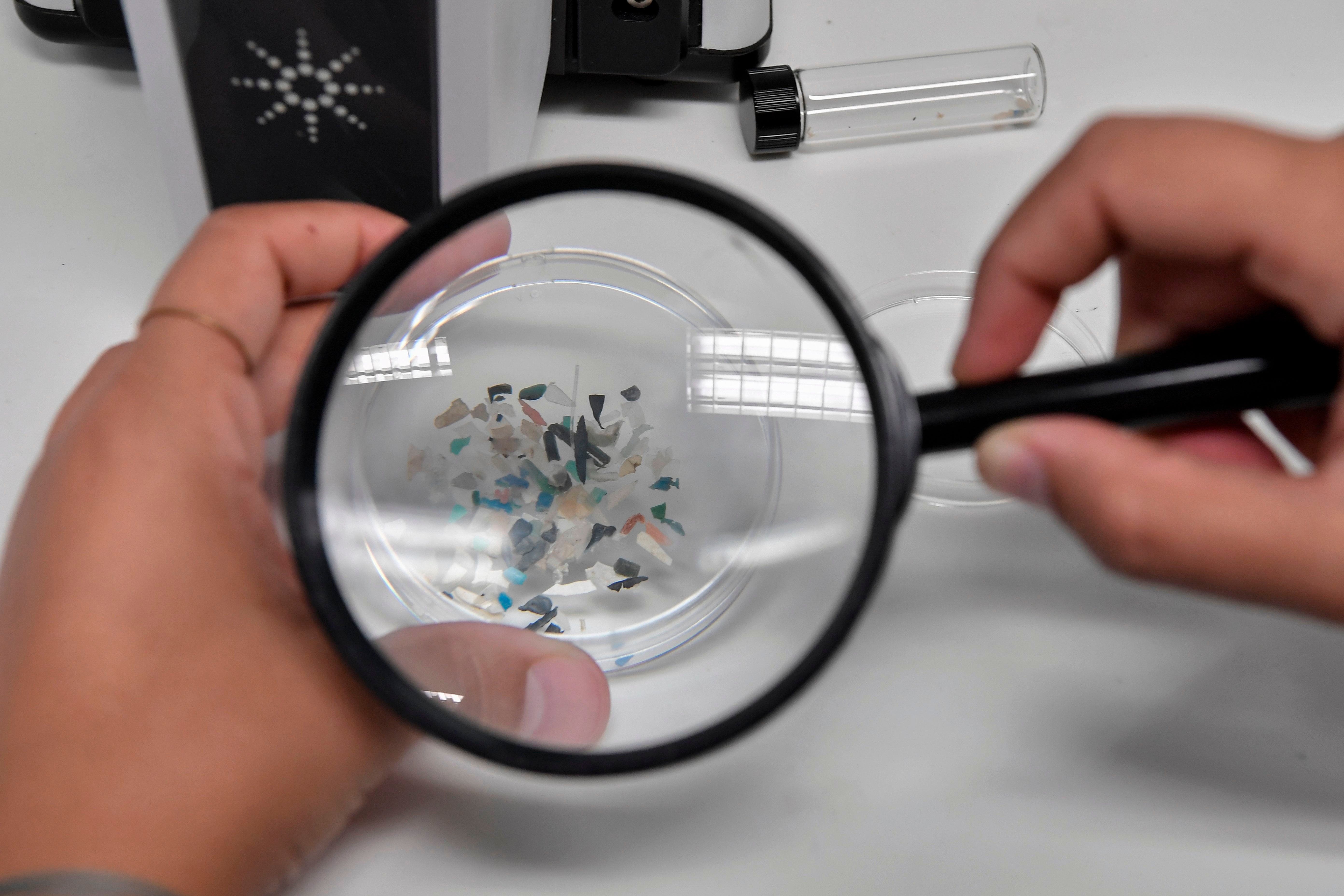
In the latest study, researchers assessed the effects of microplastics on mice genetically prone to developing atherosclerosis.
Both the male and female study mice were fed a low-fat, low-cholesterol diet comparable to what a lean and healthy person might consume.
However, over nine weeks, the mice received microplastics at doses of about 10mg per kilo of their body weight.
Scientists chose these microplastic exposure levels to reflect amounts similar to what humans could encounter through contaminated food and water.
Although the microplastic diet did not cause the mice to gain weight or raise their cholesterol levels, and the animals remained lean, there was artery damage.
Researchers particularly found a striking difference in the effect of microplastics between the male and female mice
Microplastic exposure greatly accelerated atherosclerosis in male mice, with plaque build-up increasing by 63 per cent in the portion of the main artery connected to the heart and by over 7 times in the brachiocephalic artery branching from the main artery in the upper chest.
Female mice exposed to the same conditions did not experience a significant spike in plaque formation, the study found.
Probing further, researchers found that the microplastics interfered with arteries, changing both the behaviour and balance of several cell types.
Endothelial cells, which form the inner lining of blood vessels, were affected most strongly, they found.
“Since endothelial cells are the first to encounter circulating microplastics, their dysfunction can initiate inflammation and plaque formation,” Dr Zhou said.
Researchers are now probing why male mice seem to be more susceptible to artery damage from exposure to microplastics and if this sex difference applies to humans too.
“It’s nearly impossible to avoid microplastics completely,” Dr Zhou said. ”As microplastic pollution continues to rise worldwide, understanding its impacts on human health, including heart disease, is becoming more urgent than ever.”
“There are currently no effective ways to remove microplastics from the body, so minimising exposure and maintaining overall cardiovascular health – through diet, exercise, and managing risk factors – remains essential.”
Join our commenting forum
Join thought-provoking conversations, follow other Independent readers and see their replies
Comments
Bookmark popover
Removed from bookmarks