James Watson, discoverer of the double-helix shape of DNA, dies age 97
Watson's later years were marred by widespread condemnation after racist remarks
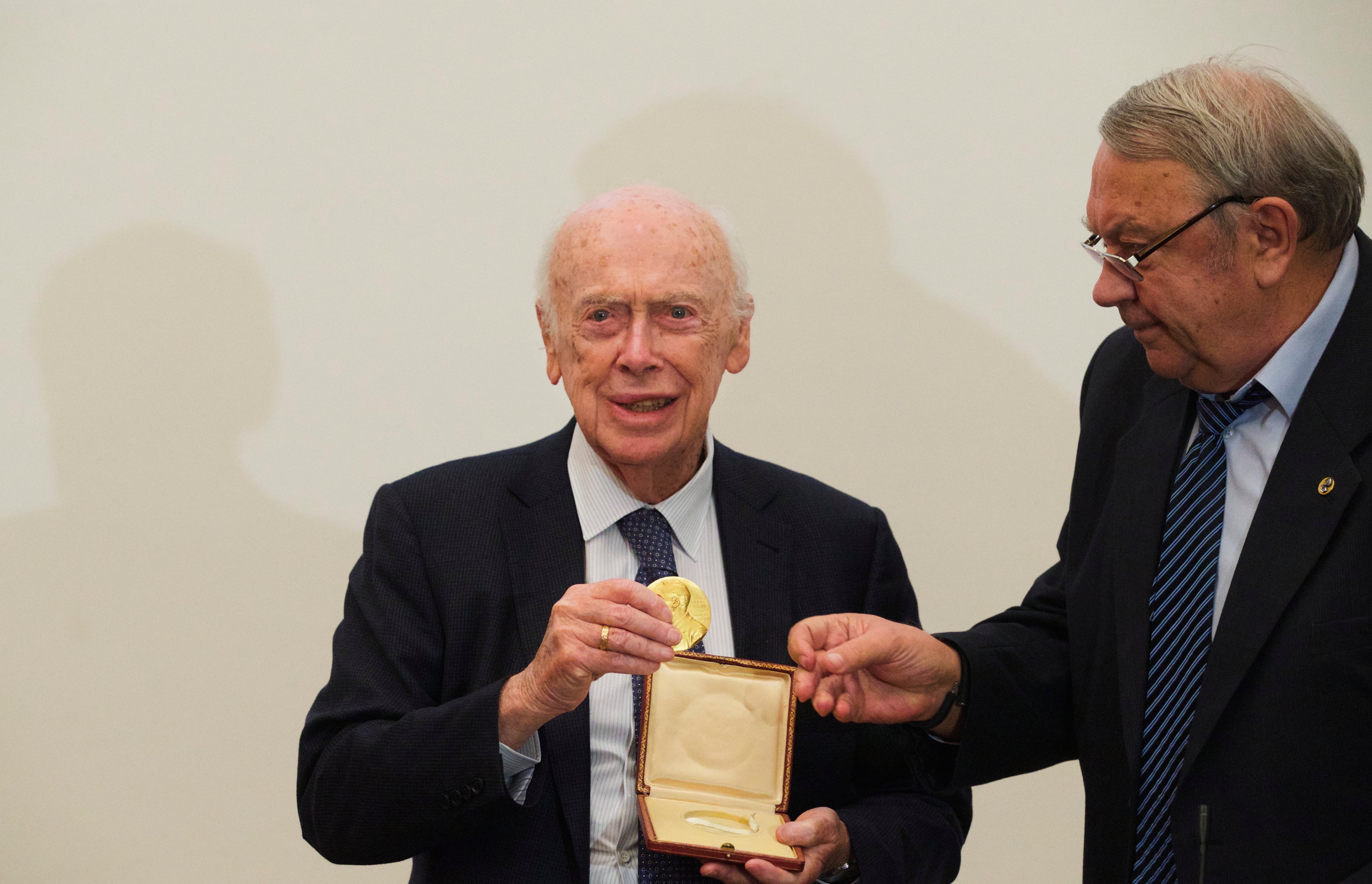
James D Watson, the pioneering scientist whose co-discovery of DNA’s double helix structure in 1953 reshaped our understanding of life, has died at 97, his former research lab confirmed.
His groundbreaking work, undertaken at just 24, earned him a revered status in the scientific community and, alongside Francis Crick and Maurice Wilkins, a Nobel Prize in 1962. Their revelation that deoxyribonucleic acid (DNA) forms a double helix – two strands intricately coiling into a twisted ladder – ignited revolutions across medicine, forensics, genealogy, and ethics.
That realisation was a breakthrough. It instantly suggested how hereditary information is stored and how cells duplicate their DNA when they divide. The duplication begins with the two strands of DNA pulling apart like a zipper.
Watson's later years were marred by widespread condemnation. He faced severe criticism for making racist remarks, notably asserting that Black people possess lower intelligence than white people.

Even among non-scientists, the double helix would become an instantly recognised symbol of science, showing up in such places as the work of Salvador Dali and a British postage stamp.
The discovery helped open the door to more recent developments such as tinkering with the genetic makeup of living things, treating disease by inserting genes into patients, identifying human remains and criminal suspects from DNA samples and tracing family trees. But it has also raised a host of ethical questions, such as whether we should be altering the body’s blueprint for cosmetic reasons or in a way that is transmitted to a person’s offspring.
“Francis Crick and I made the discovery of the century, that was pretty clear,” Watson once said. He later wrote: “There was no way we could have foreseen the explosive impact of the double helix on science and society.”
Bookmark popover
Removed from bookmarks