Unearthed stone animals uncover secrets of prehistoric life
Unearthed late last year, the artefacts are now on display for the first time
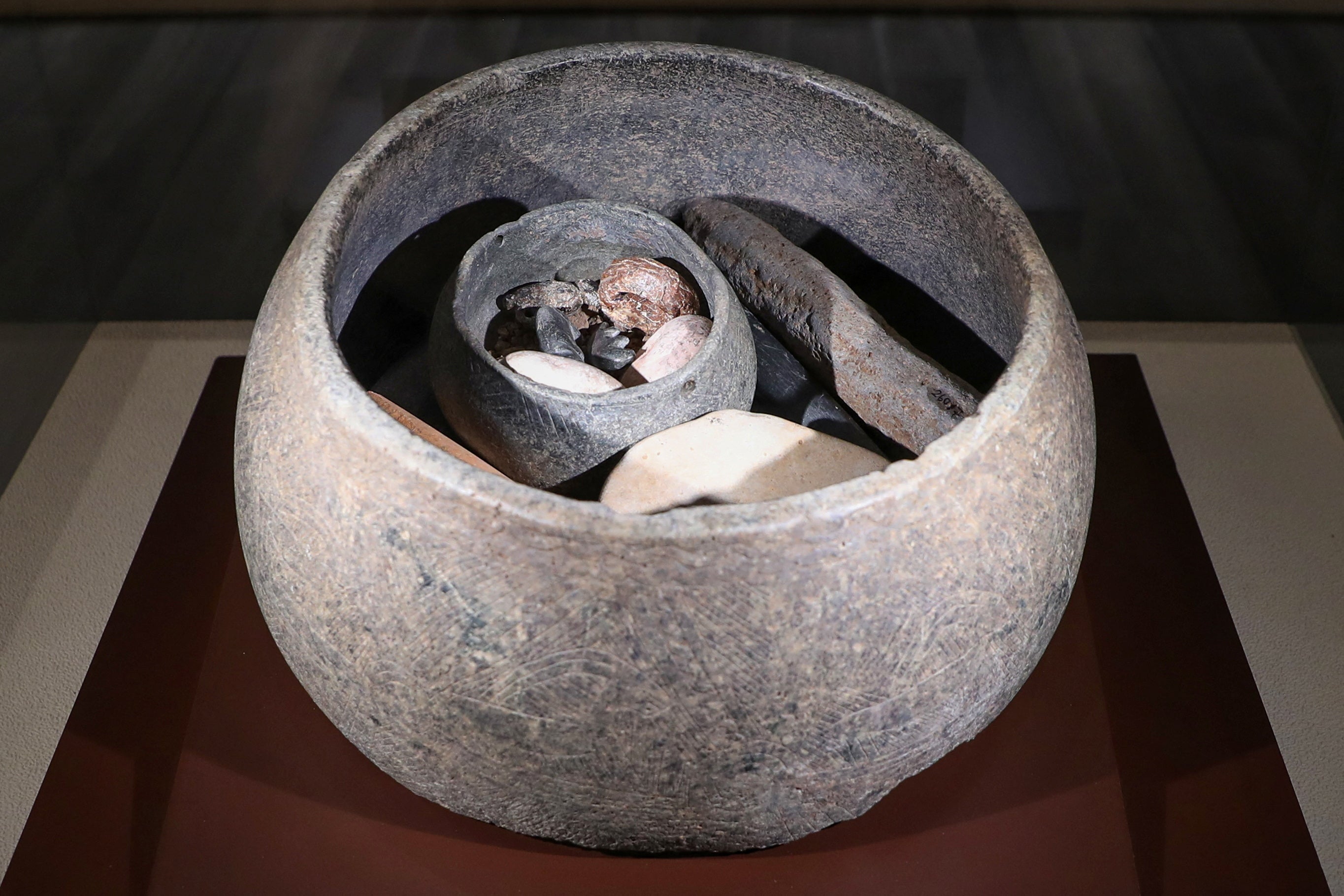
Archaeologists in southeastern Turkey have unearthed a remarkable set of 11,500-year-old carved stone animals – a fox, a vulture, and a wild boar – offering unprecedented insight into how prehistoric communities crafted narratives.
Discovered at the Karahantepe archaeological site, one of the world's oldest Neolithic settlements, this trio of figurines represents the earliest known instance of objects deliberately arranged to convey a story.
Necmi Karul, head of the Karahantepe excavations, highlighted the profound implications of the find: "Telling a story undoubtedly brings storytellers to mind, and carving them into stone reveals the existence of artists. But it also proves that communities who know those stories share a common memory."
Each measuring approximately 3.5 cm (1.38 inches) tall, the intricate figures were discovered within a small container, sealed with a stone lid, which was then placed inside a larger vessel.
Notably, each figurine's head was set within a limestone ring, indicating a meticulous arrangement.
These artefacts, unearthed late last year, are now publicly displayed for the first time at the Presidential Complex in Ankara, Turkey's capital, alongside other finds from Karahantepe, which dates back to 9,500 BC.
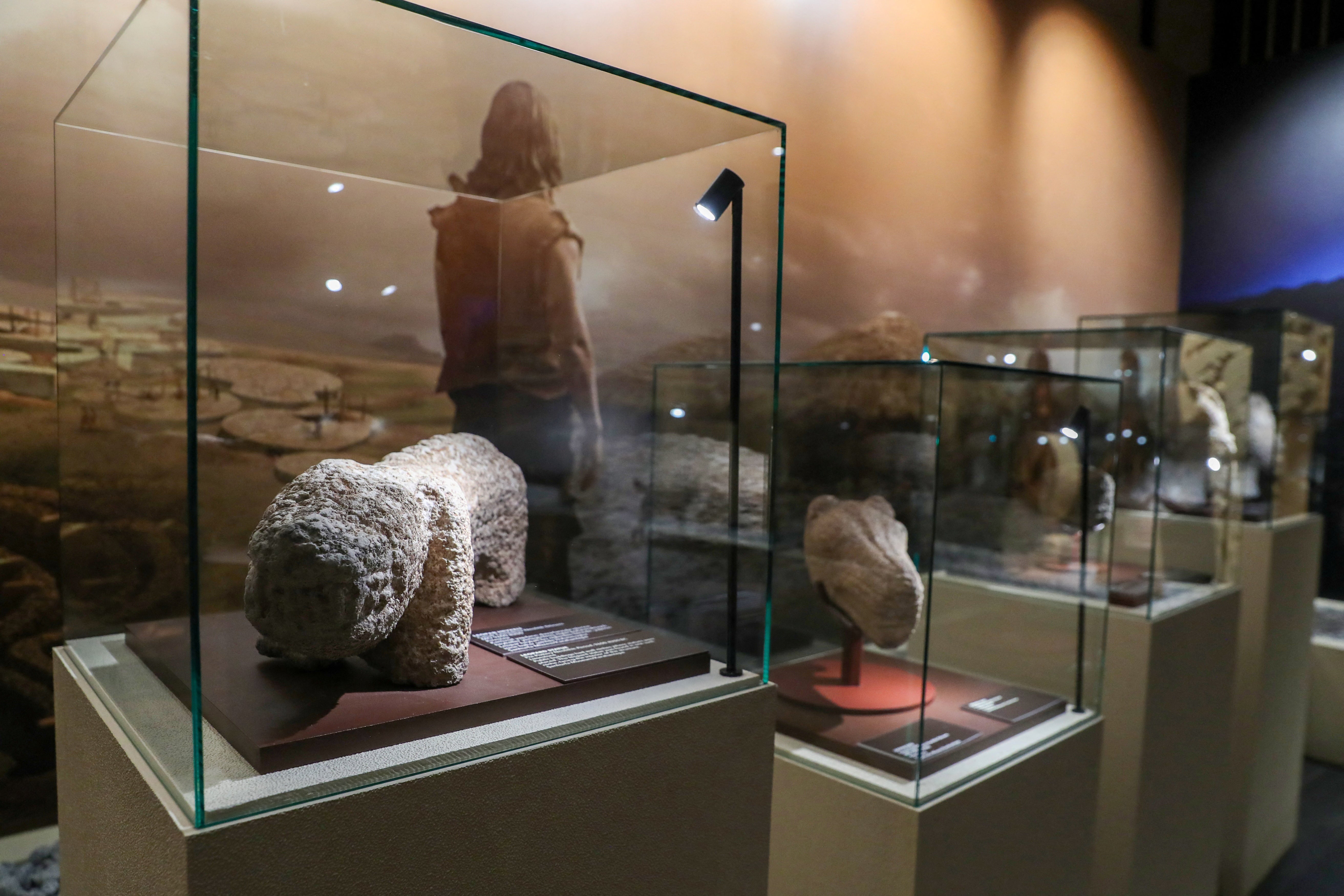
According to Karul, the sophisticated arrangement underscores the figurines' role in a carefully conceived composition, a significant departure from previously discovered two-dimensional and often isolated depictions on immovable artefacts.
This discovery thus redefines our understanding of early human narrative expression.
"With the Neolithic period and sedentism, we see a fundamental shift in narrative language," he said.
Sedentism, or living in one place for long periods, replaced millions of years of hunter-gatherer culture and gave rise to a new social order.
"These narratives must have been the social bonds that held this new order together," Karul said, describing the figurines as "one of the most important discoveries from a prehistoric perspective".
Prehistoric success story
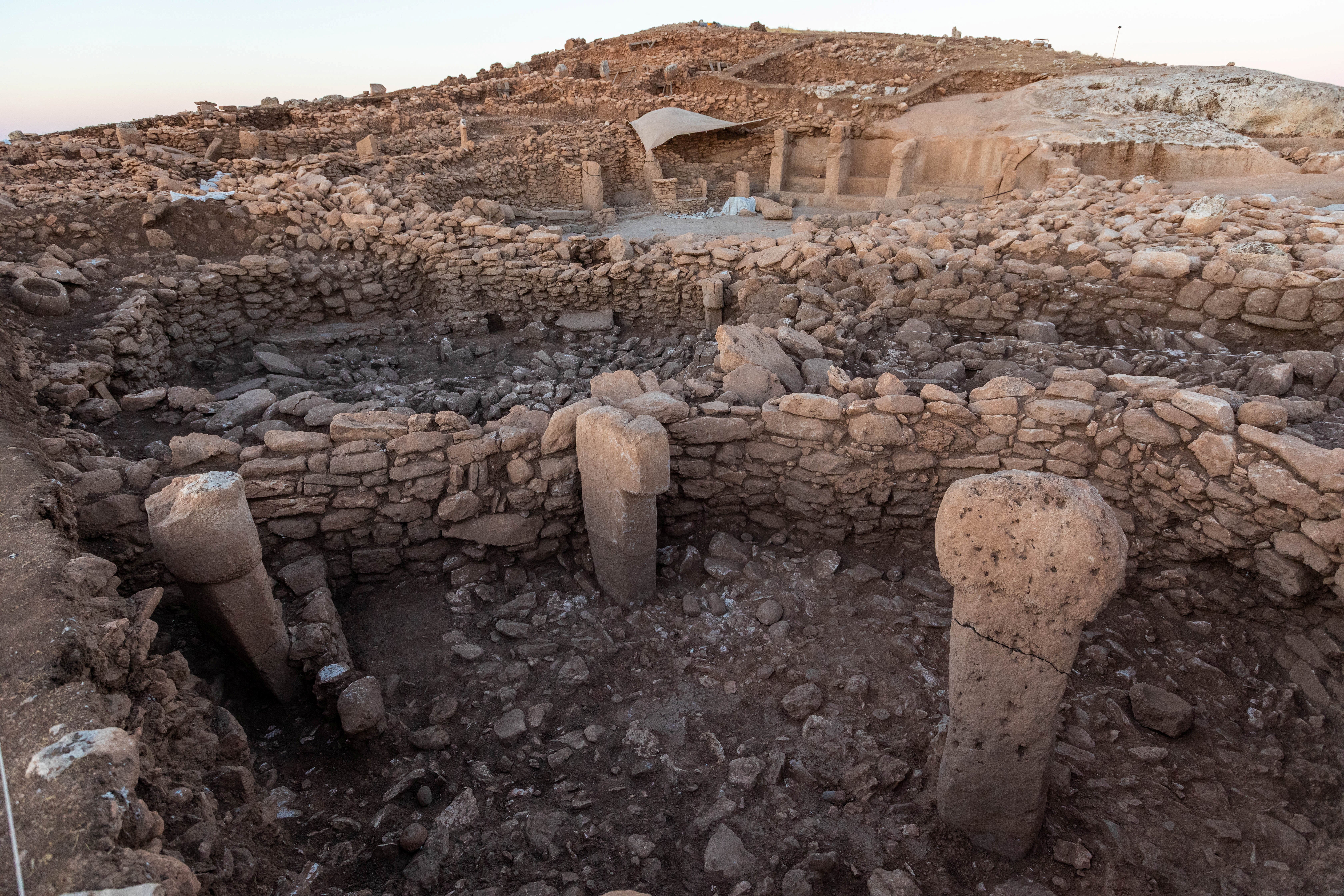
Karahantepe is one of the earliest settlements of the Neolithic period. Nearby Gobeklitepe, a UNESCO World Heritage Site, is believed to be the world's oldest.
Both sites are a part of a wider Neolithic research project called Tas Tepeler, or "Stone Hills", that includes various settlements dotted across the Turkish province of Sanliurfa and where excavations are ongoing.
Karahantepe covers 14 hectares (35 acres) but excavation work carried out there since 2019 has covered only a tiny fraction of the site, Karul said.
Pillars decorated with reliefs and a complex of circular communal buildings were also found there, with a human head carved into the bedrock on one of the walls.
Karul said he planned to seek different kinds of UNESCO recognition for the site as a way to increase global interest in his team's work.
"Modern people always place themselves at the pinnacle when compared to the past," he said. "Karahantepe shows us how successful people were in art and storytelling 11,000-12,000 years ago."
Join our commenting forum
Join thought-provoking conversations, follow other Independent readers and see their replies
Comments
Bookmark popover
Removed from bookmarks