Breakthrough injection treatment is giving people their voices back
The new treatment uses platelet-rich plasma from the patient’s blood to rejuvenate the damaged vocal cords


A father who has struggled to speak, sing or shout since he was a small boy has received a new treatment which means he can now read a bedtime story to his son.
David Metherell, a 45-year-old critical care nurse, caught a rare strain of the human papillomavirus (HPV) when he was just nine months old that damaged his vocal cords.
He had 21 operations by the time he turned six, but these left his vocal cords scarred, leaving him with a permanent croaky voice. He explained how sometimes his voice would just suddenly stop.
"I've never been able to sing, I've never been able to shout - I've just been limited in so many ways,” he told the BBC.
But a new surgery which involves injecting platelet-rich plasma (PRP) from the patient’s blood into the vocal cords has been “liberating” and transformed his life, he said.
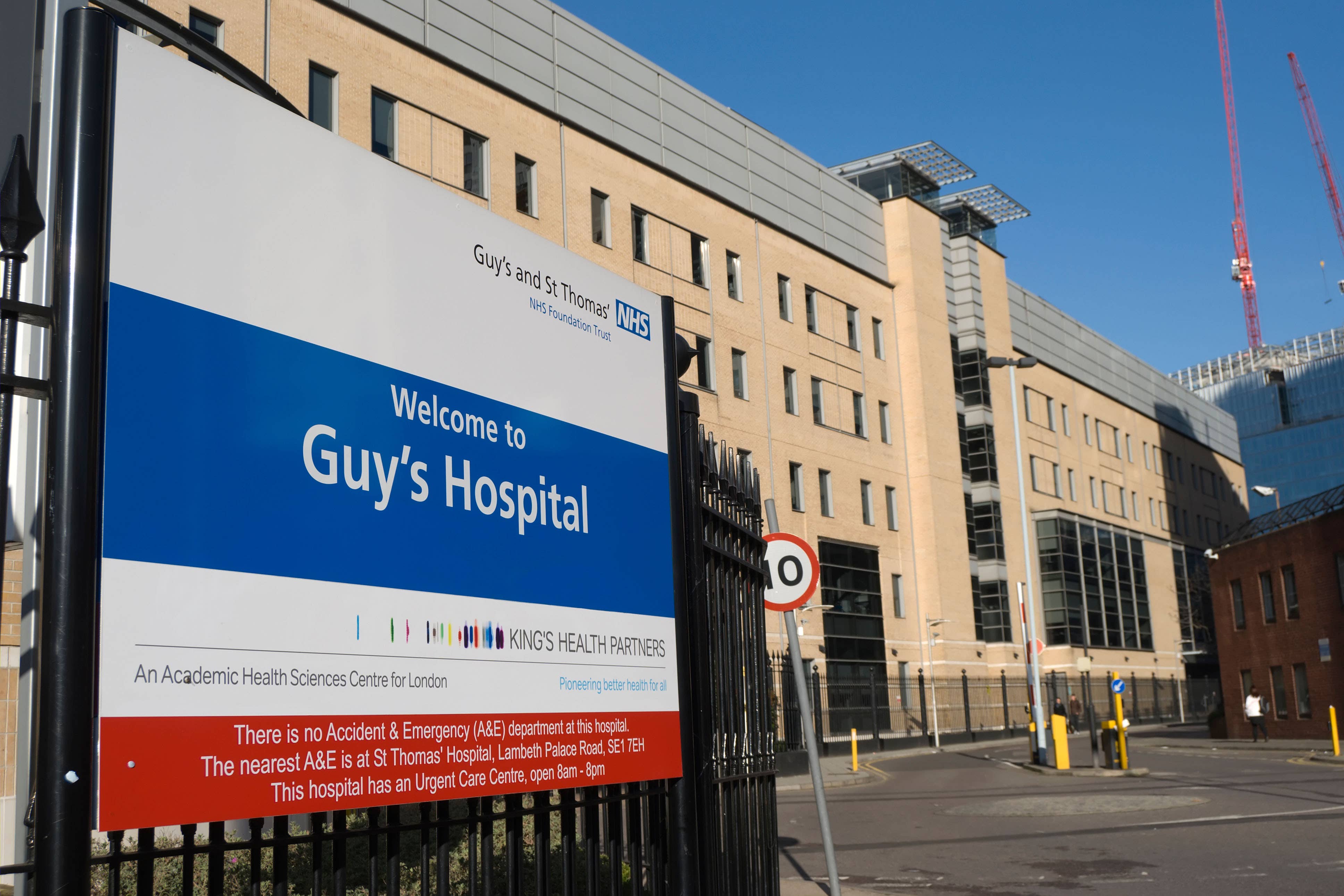
The new trial treatment at the ear, nose and throat (ENT) clinic at Guy's Hospital is already used by NHS clinics for patients with injured knees or tendons to stimulate the healing process, but it has never been used in this way before.
Mr Metherell’s consultant, Shiying Hey, and her team have treated 10 patients so far, and they have all reported an improvement in their voice. She explained that it is cheaper than other treatments as they can use the patient’s own blood.
After three injections, the treatment has given Mr Metherall the ability to speak in busy social or work situations.
Previous studies have shown PRP injections to work within two years. One 2025 study published in the Journal of Voice gave 109 injections to 48 participants with damaged vocal cords between 2021 and 2023.
One month after the last PRP injection, more than 70 per cent of participants reported a “moderate or significant vocal improvement”. When researchers observed their vocal cords, they found an improvement in more than two-thirds of participants.
Other experimental technology to aid speech uses AI. The University of Cambridge created Revoice, a technology which could cut out the need for invasive brain implants and enables patients to communicate naturally.
Revoice combines sensors and artificial intelligence to decode speech signals and emotional cues in patients to deliver words and complete sentences.
The device is worn as a soft and flexible choker around the neck, picking up the patient’s heart rate and tiny vibrations from throat muscles. These signals are then turned into words.
In a small trial with five patients with dysarthria, which is difficulty speaking that can happen after a stroke, the device was correct in all examples except 4.2 per cent of words and 2.9 per cent of sentences.
Current technology to aid speech can be more time-consuming, requiring the patient to input letters one by one or relying on eye tracking or brain implants.
Join our commenting forum
Join thought-provoking conversations, follow other Independent readers and see their replies
Comments
Bookmark popover
Removed from bookmarks