Teenager asked by NHS staff to tell his deaf mother her father was dying, damning report finds
The ombudsman has raised its concerns about access to BSL interpreters with NHS England
A teenager was forced to tell his deaf mother that her father might die because the NHS did not have an interpreter, a damning report has found.
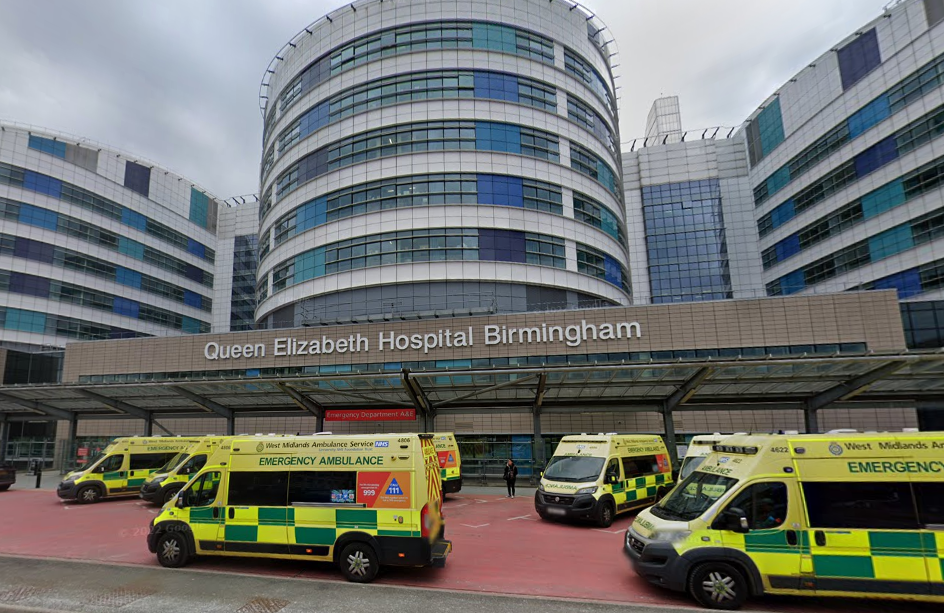
Grandfather Alan Graham, 75, who was born deaf and used British Sign Language (BSL), was admitted to Queen Elizabeth Hospital in Birmingham after a fall in June 2021.
He suffered swelling in his legs and chest and was diagnosed with right-sided heart failure before being discharged in August, but he was readmitted in September 2021, when he experienced similar symptoms and was diagnosed with heart failure and died two weeks later.
During the 11 weeks he was in hospital, professional sign language interpreters were only provided on three occasions, a report into his death by the Parliamentary and Health Service Ombudsman (PHSO) found. Instead, staff asked his teenage grandchildren to communicate with him on their behalf and translate medical information and details about his prognosis.
This is despite UK hospitals and NHS services having a legal obligation to provide BSL interpreters for deaf patients.
On one occasion, hospital staff asked his grandson, Connor Petty, who was aged 16 at the time and knew some BSL, to tell his mother that Mr Graham may not survive the night and that CPR should not be provided if the need arose. He died the following day.
Staff also used his sister Mia, aged 12, to relay information about his care and treatment, causing distress to the family and affecting their ability to grieve.
“It was extremely frustrating, every day I was asking for an interpreter. My children just wanted to visit their grandad and be there for him as family members, but they were constantly being asked to translate by the staff,” said Mr Graham’s daughter, Jennifer Graham-Petty, 52, who was also born deaf and uses BSL told the PHSO.
“While they know some BSL, they are hearing so it is not their first language, and they don’t have the same level of knowledge as a professional to interpret the medical jargon that staff were asking them to. Having to deliver the bad news about my dad’s prognosis was totally unacceptable and very upsetting for all of us,” she added.
Ms Graham-Petty complained to the PHSO about her father’s care and the use of her children as interpreters.
“Too often there is a lack of interpreters in healthcare settings all over the UK, I have experienced it myself when being referred by GPs. There needs to be more awareness about the barriers faced by deaf people, and things need to change, Ms Graham-Petty said.
“A good place to start would be more joint working and better communication between health professionals so that interpreters are automatically provided for those who need them,” she added.
The ombudsman concluded that hospital staff at University Hospitals Birmingham (UHB) NHS Trust had failed to follow national guidance and repeatedly used children to interpret critical medical information for their deaf family members.
The PHSO had now urged healthcare leaders to ensure services are accessible to all and that providers make reasonable adjustments, such as BSL interpreters, to remove any barriers to services.
While the lack of interpreters didn’t impact Mr Graham’s care, it did cause worry and stress to the family as their ability to communicate with medical staff was affected, the PHSO found.
The trust was recommended to create an action plan detailing how it will prevent this from happening again. The PHSO also told the trust to apologise to the family and pay the grandchildren £900 each and pay Ms Graham-Petty £750 for the impact of the failings on them, which it has done.
The ombudsman also raised its concerns about access to BSL interpreters with NHS England and the Royal National Institute for Deaf People (RNID).
Victoria Boelman, director of insight at RNID said this case is “unjust and unacceptable”. She said: “We know from our research and campaigning work in this area that the levels of communication support and access to healthcare information for deaf communities and those with hearing loss are often woefully lacking.”
A spokesperson for University Hospitals Birmingham said: “We offer our sincere apologies to Jennifer, Connor and Mia for their experience, at what was a very difficult time for them. We recognise that we did not get things right and understand the impact this had on them.
“We have taken this feedback seriously and, since 2021, implemented learning actions across the organisation to help improve the experience of our deaf patients and their families, including strengthening awareness and accessibility arrangements to ensure patients’ communication needs are better met.
“We remain committed to learning from this and to providing inclusive, compassionate care for all our patients.”
Join our commenting forum
Join thought-provoking conversations, follow other Independent readers and see their replies
Comments
Bookmark popover
Removed from bookmarks