Jacinda Ardern steps in to rescue project saving mothers during childbirth in wake of Trump’s aid cuts
Aid workers describe the move by New Zealand’s former prime minister as ‘a moment of believing that there was going to be light at the end of the tunnel’
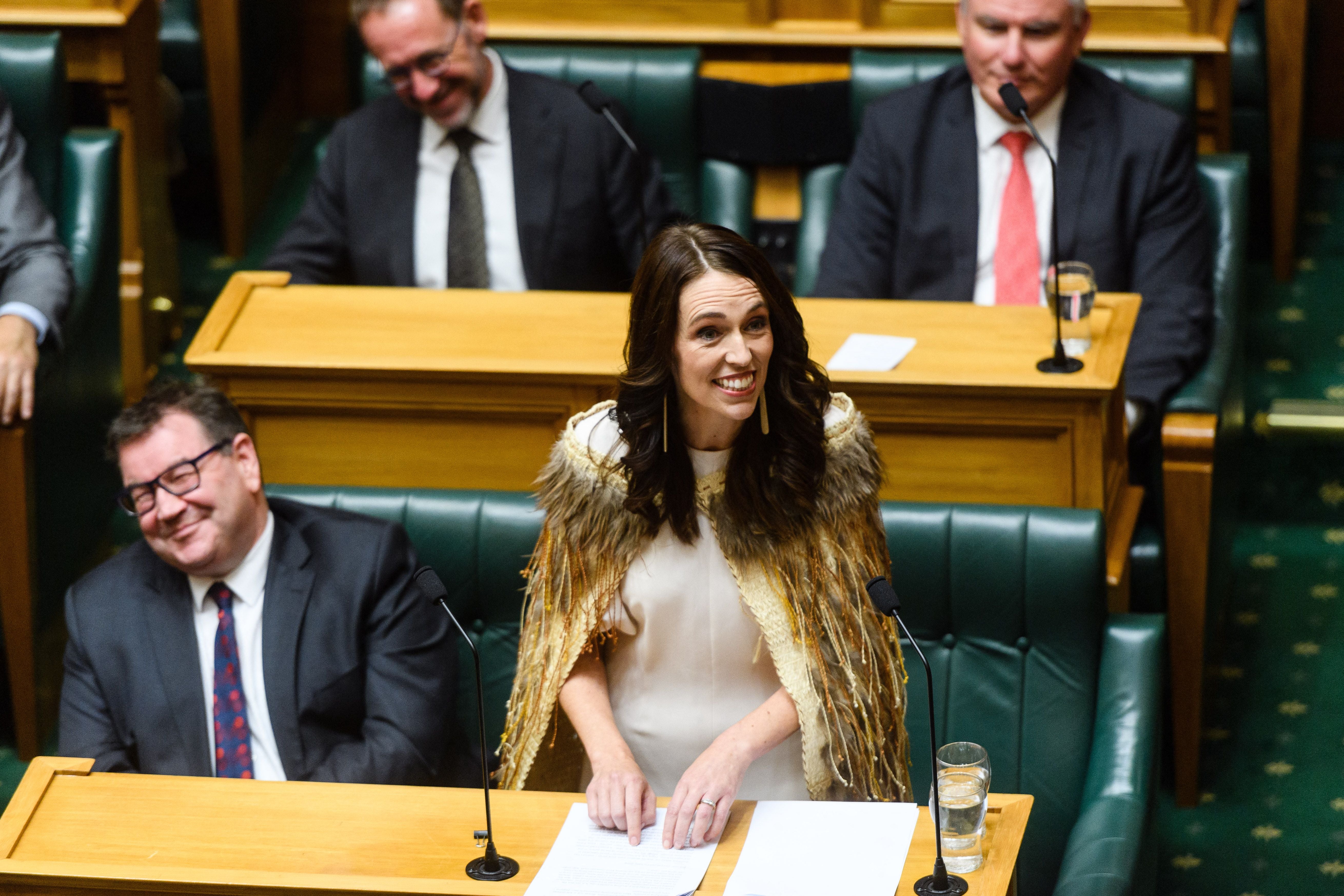
A project to save the lives of mothers during childbirth in two crisis-hit countries, which was axed in Donald Trump’s drastic foreign aid cuts, is getting off the ground after former New Zealand prime minister Jacinda Ardern stepped in to rescue it.
Postpartum haemorrhage, excessive bleeding after giving birth, is one of the leading causes of maternal mortality around the world. The saved programme will see a team of leading maternal health experts test an approach including using a plastic blood-collection device known as a drape to measure how much someone is bleeding and identify more swiftly if they are losing dangerous amounts. The aim is to reach women in some of the most dangerous places to give birth – and test whether the approach works as well in conflict zones as in more stable countries.
Previously set to run in seven countries with a budget of $10m (£7.5m), the Safer Births in Crisis project, spearheaded by the International Rescue Committee (IRC), is now launching in South Sudan and Burkina Faso on a budget of $4m (£3m).
“South Sudan, one of the newest countries globally, has suffered many years of protracted conflict and also impact of climate change,” said Kadra Noor Abdullahi, the IRC’s maternal and child health coordinator for the country. This has weakened the government’s ability to fund its health system, she said, while swathes of clinics have been damaged by bombs and flooding. Only half of the population has access to a health facility.
For women and girls in particular, Abdullahi said, this lack of hospitals and supplies meant a “high number of women who deliver at home”, with 80 per cent of women giving birth without a midwife or doctor in attendance.
More than half of the country’s health funding came from the US. When Trump turned off the tap to all aid funding overnight in January 2025, South Sudan was among the hardest hit. The number of antenatal visits fell and cases of postpartum haemorrhage rose. Elaine Scudder, a maternal and newborn health advisor for the IRC, was herself furloughed while watching anxiously to see what would happen to the women they were already caring for, and those they were set to help.
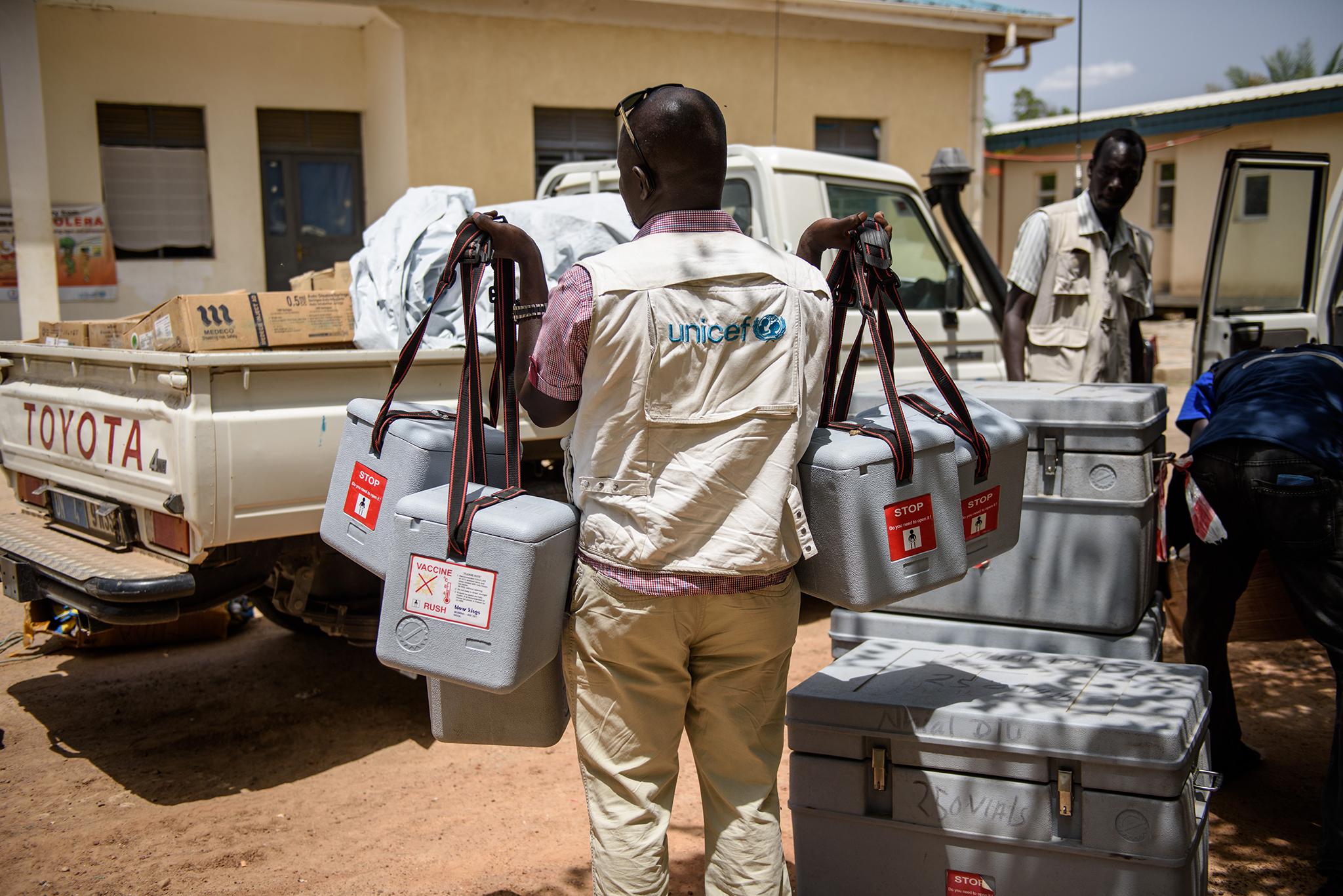
Meanwhile, in hard-to-reach regions of Burkina Faso, almost 30,000 pregnant women lost out on prenatal care, according to the IRC.
When Ms Ardern stepped in, through the Matariki Fund for Women, and rescued at least part of the programme, “it was a moment of believing that there was going to be light at the end of the tunnel,” Ms Scudder said.
The IRC team then had to prioritise where the funds would be used. Not only was there less money, but with basic maternity care having been hollowed out by the US’s sudden withdrawal of funding, they felt they had to do more with it in the reduced number of countries.
“After the foreign aid cuts, it became quite clear that we couldn’t solely focus in this vacuum” of preventing excessive bleeding, Ms Scudder said. She added that “we now feel responsible for delivering all of that care” for mothers and newborns.
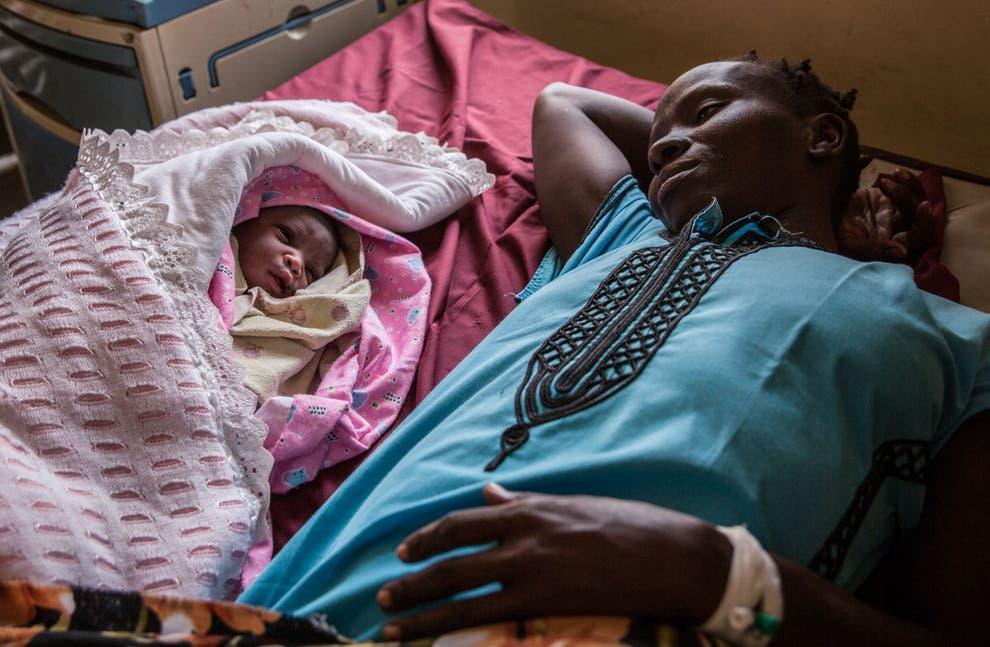
The World Health Organization recommends the use of blood collection drapes. Women experiencing haemorrhaging should then be given a bundle of different drugs and treatments at the same time to maximise their chances of survival. A 2023 study found that, together, this reduced severe bleeding, surgeries and deaths by 60 per cent.
Testing in countries facing conflict will allow for monitoring of potential issues. For example, clinics used to supply shortages might be tempted to reuse blood collection drapes and risk spreading infection.
The coalition undertaking the project – which also includes the International Medical Corps, the United Nations Population Fund (UNFPA) and women’s health non-profit Jhpiego – will also test giving the drug misoprostol to women to take home in case they cannot make it to a hospital to give birth.
As well as being highly effective at preventing deadly bleeding when given in the final stage of labour, misoprostol is perhaps better known as an abortion pill, which can make its use controversial in nations with more conservative policies around reproductive rights.
The Safer Births in Crisis project has already started assessing how many drapes and doses of drugs it will need and will start to reach women in the new year.
The involvement of Ms Ardern, who is “so passionate about the topic, so willing to invest everything she can into it”, was a “breath of fresh air”, Ms Scudder said.
But it’s virtually impossible for any one donor to reverse the impact of the cuts by the US.
“To talk to you about how game-changing this $4m investment is when it would not remotely have been game-changing a year and a half ago; to talk to you about how exciting this project is to have it be in seven facilities in Burkina Faso when it was supposed to be in seven countries,” Ms Scudder said.
“It’s been incredibly hard to realign all your expectations and your truths and everything you knew to be possible a year ago.”
This article has been produced as part of The Independent’s Rethinking Global Aid project
Join our commenting forum
Join thought-provoking conversations, follow other Independent readers and see their replies
Comments
Bookmark popover
Removed from bookmarks