Chris Whitty on the infections we should take ‘much more seriously’
England’s chief medical officer said older people are ‘under-served’ when it comes to care and research
England’s chief medical officer says infections in older people must be taken “much more seriously”.
Professor Sir Chris Whitty said older people are “under-served” when it comes to care and research into the illnesses affecting them, adding that doctors should have a lower threshold for prescribing antibiotics than they do for younger adults.
He suggested the medical community has been “nihilistic” about infections in older people historically, adding that “people have assumed it’s one of those things that happen in old age – in fact, we can do a lot about it”.
The medic also urged older people to ramp up their own protection against infections through measures such as washing hands, taking care when preparing food and accepting vaccinations offered on the NHS.
Data shows that people older than 70 are more likely to catch infections, become severely ill and die.

Discussing his new annual report, which focuses on infections, Sir Chris said: “Whilst we are very systematic about reducing infections and preventing infections in children and in young adults, in older adults it is often a lot more hit and miss.”
Research into infections in older adults is “much smaller proportionally” than people would expect, despite its importance, he added.
Deaths from infections are “overwhelmingly dominated by older adults” and this will become more of an issue due to the ageing population, Sir Chris told a briefing.
“Since this population is getting bigger, if we do nothing, the amount of infection is going to increase,” he said.
Looking at flu as an example, Sir Chris said the “significant pressures over the next few weeks in the NHS is because flus are ramping up, and it really affects the elderly”.
He also pointed to “clear evidence” that “having an infection increases your risk of a stroke, particularly in the first two weeks, but it can extend out to as long as a year afterwards”.
Sir Chris said stroke risk increases from “a whole range of infections”, including urinary tract infections, pneumonia, flu and HIV.
“There is slightly less strong evidence that this is true for heart attacks,” he said, but added that research suggests people are more likely to have a heart attack in the days and weeks following infection.
The chief medical officer added, “What’s the importance of that? Well, if we could reduce the infections, we would reduce strokes and heart attacks, and I think also certainly at this moment in time, if someone’s got a severe infection in older age, we should be looking to modify all the risk factors they have to reduce the risk of stroke and heart attack.”
Sir Chris said infections can also cause delirium, adding that “for all these reasons, my view is that we should be taking infections in older people much more seriously”.
Across the population as a whole, doctors must be cautious about over-prescribing antibiotics, which is leading to drug resistance, where medicines no longer work against infections, he said.
Sir Chris cautioned against antibiotic use when “someone has almost certainly got a viral infection” for which they will not work, but added: “We shouldn’t give blanket rules across the entire age spectrum.”
For example, in older people, the risks of an infection turning into sepsis are much higher, he said.
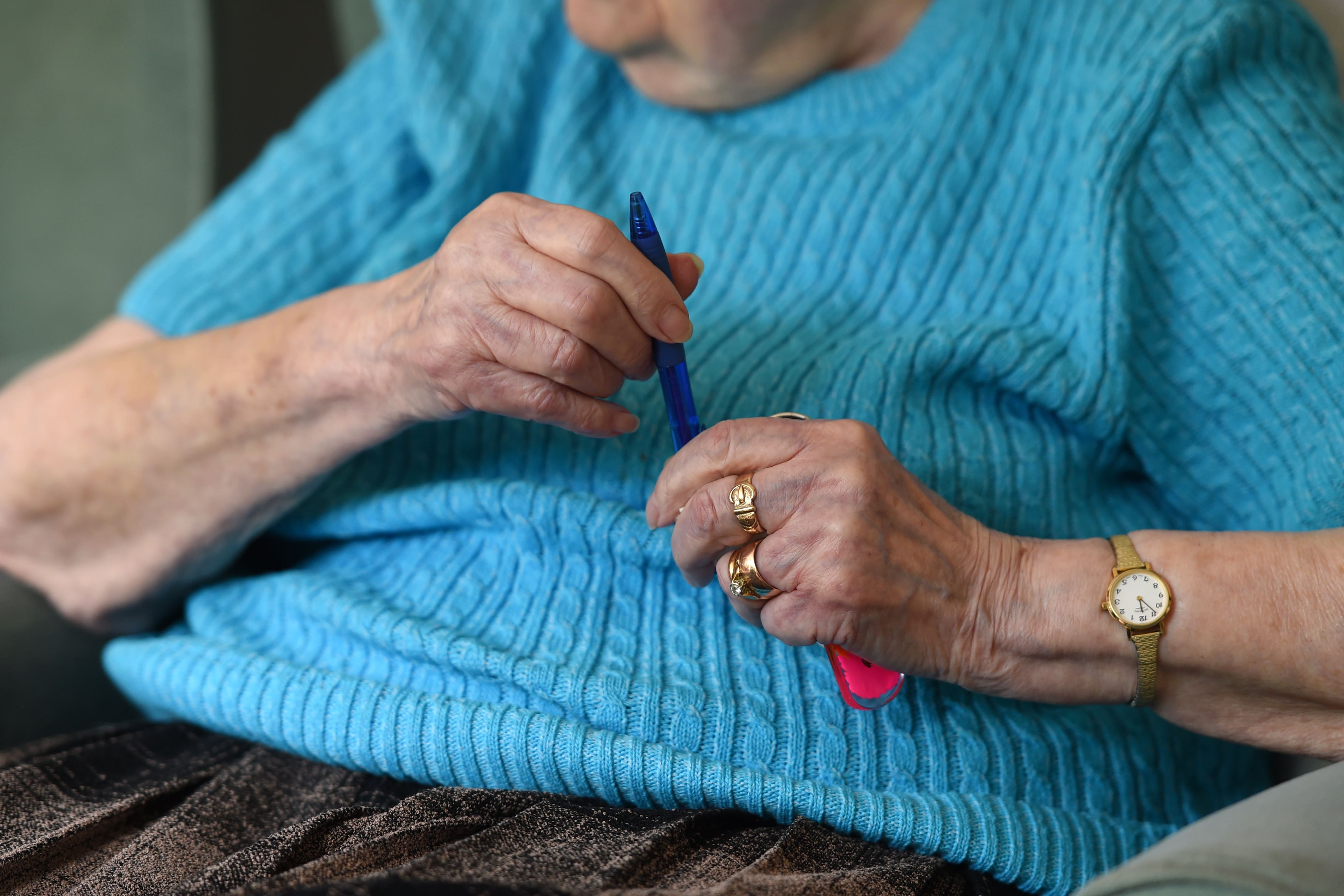
“So the risk-benefit is more in favour of (antibiotic) treatment in older people than it is in younger people.”
Asked what action people can take themselves, Sir Chris said: “There are a significant number of things that older people can do to reduce the risk of infections. A lot of those are common sense.
“They’re things like reducing the risks by hand washing, by careful preparation of food – that’s a very important one – and encouraging people who’ve recently had an infection themselves not to come and visit them until they’re completely clear of that.
“And then there’s vaccinations.”
He said people should also work to decrease their risk of strokes and heart attacks in as many ways as possible, such as keeping their blood pressure down and stopping smoking.
The report also looked at vaccine uptake among children and pregnant women, as well as planning for future pandemics and threats.
Sir Chris said “vaccines in childhood are amazing”, adding that when he was training in medicine, Haemophilus Influenza B (Hib) was a common cause of meningitis in children, but when a vaccine was rolled out, cases dropped dramatically.
Speaking more generally about vaccines for children, he said “they’re drifting down a bit, but they’re not falling off a cliff, as is sometimes said”.

Sir Chris added: “Some of the people who are keen to spread disinformation like to give the impression that the UK is becoming a vaccine-sceptical nation.
“That is absolutely not true.
“If you look at these numbers, over 90 per cent of parents will bring their children for vaccination.
“But there has been a drifting down, and we need to reverse that.
“Importantly, a lot of this is to do with the practicalities of getting hold of the vaccine.
“If you look properly at why people are not getting vaccines, often it is more to do with how easy it is to get hold of rather than actually any major change in people’s desire to get vaccinated.”
He urged pregnant women to have their flu jab this winter, adding that flu vaccination in pregnant women “is not as high as we would want it to be”.
Sir Chris added: “This is a real issue, because flu in pregnancy is a dangerous combination… so I would certainly encourage anybody who is pregnant to get their flu vaccination.
“That is a very sensible thing to do, and we’re going into a quite a tricky flu season, so now is a good moment to remind people of that.”
Join our commenting forum
Join thought-provoking conversations, follow other Independent readers and see their replies
Comments
Bookmark popover
Removed from bookmarks