Study uncovers weight loss drug’s hidden impact on our brains
The study included three severely obese patients who struggled to control their eating habits
The weight loss drug Mounjaro could curb food cravings by suppressing brain signals linked to eating control, a pioneering US study has suggested.
US researchers placed electrodes in a patient's brain while on the drug, studying its impact on regions linked to pleasure, motivation, and reward.
Mounjaro, also known as tirzepatide, is a GLP-1 agonist, a type of medication that mimics the hormone glucagon-like peptide-1 to manage blood sugar and promote weight loss.
The study involved three severely obese patients struggling to control their eating habits.
Researchers analysed brain activity, recorded directly via implanted electrodes.
They found intense food preoccupation and cravings linked to low-frequency delta-theta brain signals in the nucleus accumbens, part of the brain’s reward system. In two patients, electrical stimulation to specific brain areas reduced this signal.
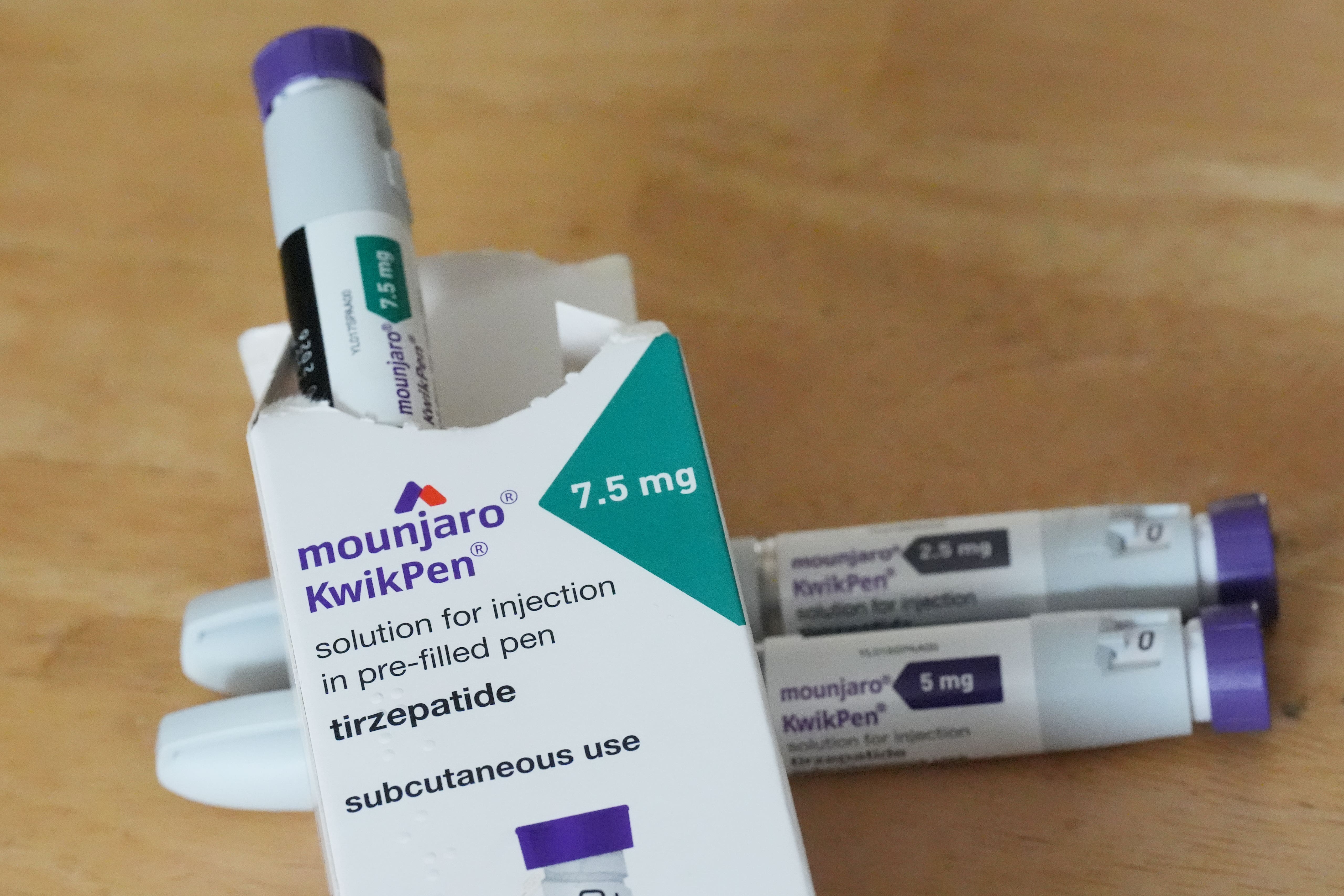
The third patient was given Mounjaro to manage diabetes following weight-loss surgery, which also resulted in reductions in food cravings.
Researchers also recorded a decline in delta-theta brain activity in the patient on Mounjaro.
However, these brain signals and food cravings returned a few months later.
The findings, published in the journal Nature Medicine, suggest the drug may tackle food cravings by affecting the brain signal biomarkers associated with eating control.
Reacting to the study, Dr Simon Cork, a senior lecturer in physiology at Anglia Ruskin University called for caution.
“This study specifically looked at a marker of brain activity associated with periods of ‘binge eating’ in patients with obesity associated with food preoccupation,” he said.
“This is important because this is a specific (and rare) condition associated with obesity.
“We know from animal studies that directly record from neurons in this region of the brain that GLP-1 does suppress activity of this region of the brain, and this suppression is likely associated with the reduction in ‘food noise’ that patients with obesity often report.
“It is also likely to be one of the reasons why this drug class is seeing increased interest in combating addictive conditions, such as alcohol and drug abuse.
“So while this study is methodologically very interesting, it has to be clear that this is only one patient with a very specific condition that is associated with obesity and so shouldn’t necessarily be generalised to the entire population.”

Mounjaro – dubbed the King Kong of weight-loss injections – is approved for use on the NHS to treat type 2 diabetes and manage weight.
The health service has started its roll-out of the drug for obesity, but there are tight restrictions on which patients are eligible.
Over three years, the NHS expects to give the jabs to 240,000 people.
Join our commenting forum
Join thought-provoking conversations, follow other Independent readers and see their replies
Comments
Bookmark popover
Removed from bookmarks