Researchers discover certain gut bacteria can protect you from toxic plastics that increase cancer risks
Exposure to thousands of long-lasting chemicals may put people at an increased risk of cancer and other negative health impacts
Could your gut protect you from the toxic impacts of forever chemicals?
Forever chemicals, also known as “PFAS,” are long-lasting, synthetic chemicals that have been used in consumer products around the world since the 1950s. They’re found in waterproof clothing, non-stick pans, plastic food packaging, and firefighting foams.
Exposure to the chemicals may be tied to negative health impacts, including fertility, developmental delays in children, a weakened immune system, increased cholesterol levels, and a heightened risk of some cancers. There are thousands of forever chemicals that have potentially varying effects and toxicity levels.
Now, scientists say they’ve discovered that some bacteria found in the human gut have the ability to absorb the chemicals — and potentially protect from associated health impacts.
“We found that certain species of human gut bacteria have a remarkably high capacity to soak up PFAS from their environment at a range of concentrations, and store these in clumps inside their cells,” Dr. Kiran Patil, a member of the British University of Cambridge’s MRC Toxicology Unit, explained in a statement. “Due to aggregation of PFAS in these clumps, the bacteria themselves seem protected from the toxic effects.”
Patil was the senior author of the research, which was published in the journal Nature Microbiology.

 EPA weakens regulations aimed at curbing forever chemical pollution in drinking water
 Study finds almost all drinking water contains ‘forever chemicals’ that do not break down naturally
 Harmful ‘forever chemical’ increasing in groundwater people rely on for drinking, study warns
 Scientists warn of surprising amount of microplastics found in glass and plastic bottles
To reach these conclusions, the researchers inserted several species of bacteria from the human gut into mice. The study found that nine species of the bacteria gathered the forever chemicals the rodents ate and then pooped out.
When exposed to increasing levels of the chemicals, the bacteria worked even harder, consistently removing the same percentage of the toxic chemicals. Within just minutes of exposure, the bacterial species soaked up between a quarter and nearly two-thirds of the forever chemicals.
The same effect has not yet been tested in humans, but the researchers said they plan to use their findings to create probiotic dietary supplements that boost the levels of these species in the gut to shield against any PFAS-related health harms. They are also looking at how they could turbo-charge the species’ performance.
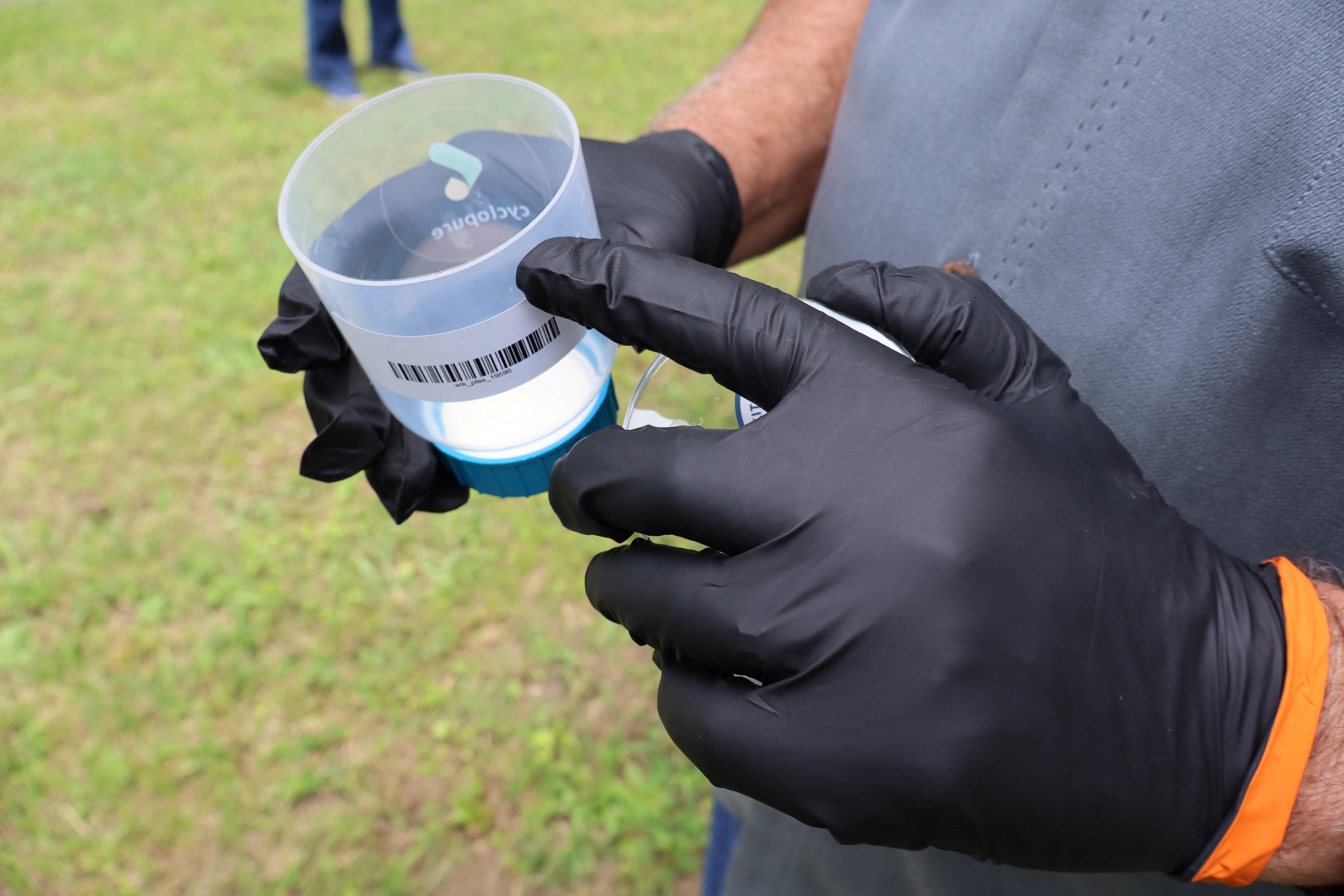
“The reality is that PFAS are already in the environment and in our bodies, and we need to try and mitigate their impact on our health now,” Dr. Indra Roux, a researcher at the University of Cambridge’s MRC Toxicology Unit and a co-author of the study, said.
Until then, the researchers say the best thing people can do to protect themselves is to avoid known risks for exposure. Although, even tap water has been contaminated: nearly half of all tap water in America.
Under the Trump administration, the Environmental Protection Agency moved to weaken Biden-era standards limiting the pollution of potentially-toxic “forever chemicals” in U.S. drinking water sources earlier this year.
“PFAS were once considered safe, but it’s now clear that they’re not,” added fellow researcher Dr. Anna Lindell. “It’s taken a long time for PFAS to become noticed because at low levels they’re not acutely toxic. But they’re like a slow poison.”
Join our commenting forum
Join thought-provoking conversations, follow other Independent readers and see their replies
Comments
Bookmark popover
Removed from bookmarks