‘Too thin for help’: Eating disorder patients turned away because their BMI is too low
Shocking report highlights how some patients are waiting up to two years to get specialist help
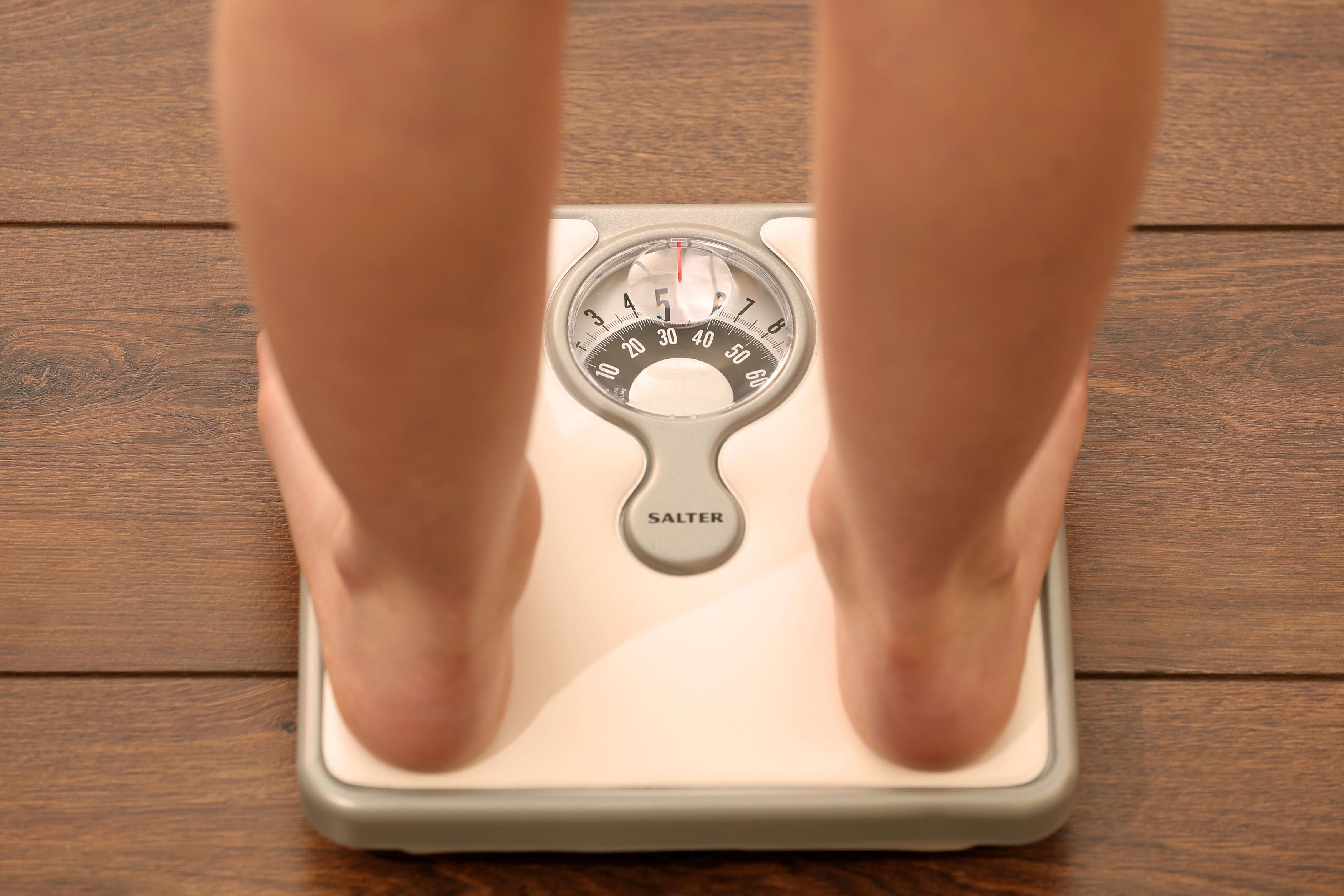
Dozens of eating disorder services are rejecting patients because they are too thin, a damning new report has revealed.
The National Audit of Eating Disorders (NAED) found that some inpatient units and hospitals are excluding patients because their body mass index (BMI) is either too low or too high.
The report published on Friday also revealed that adults are waiting up to two years to access vital specialist treatment in some areas, while some children wait for more than a year.
The authors warned that “eating disorders are an escalating public health issue” with 7.5 per cent of people now estimated to have one, up from 6 per cent of the population in the UK in 2019.
The review, set up earlier this year and commissioned by the Healthcare Quality Improvement Partnership and funded by NHS England, found a range of “exclusion criteria” across multiple services, which included patients being denied help if they were also suffering from other psychiatric conditions.
Multiple services had excluded patients because they had a “lower BMI”. That included 13 per cent of adult inpatient units, 37 per cent of children's day units, 26 per cent of community all-age services and 18 per cent of children’s inpatient units.
That is despite current guidance from the National Institute for Clinical Excellence (NICE) advising clinicians that no single measure, such as BMI or the duration of a person’s illness, should be used to determine whether they offer treatment.
The report comes following a series of reports by The Independent of patients being turned away from services because they are “too thin” and or because their BMI was too high.
MP Richard Quigley, whose child had an eating disorder, said exclusions based on BMI or because patients have other health issues were “missing the point”.
He added: “If you've got the highest need, you're going to have the hardest time, because every service will put comorbidity against you. Which means you're in a battle just to get seen.
“It’s a very graphic example of selective healthcare. From my own experience, there really were times where he felt like there was selective healthcare, being told that, ‘my child was too difficult’, with ‘this hospital won't take them’. It’s just creating a race to the bottom, because you end up getting the only place that’ll take [them] those who can’t fill spaces, because everyone else is full and putting their prices up.”
Hope Virgo, a prominent campaigner on the improvement of eating disorder services who launched a campaign called “dump the scales” to end the use of BMI thresholds, told The Independent, the audit “highlights the tip of the iceberg of a huge issue across eating disorder services”.
“Without proper investment and cultural reformation in eating disorder services, people are still going to fail to get the help they need.”
“BMI should not be a reason a person doesn’t get support. Across the UK, we are seeing people being turned away for not being sick enough and then being turned away for being too sick.”
The report, which looked at data from January to May this year, found that the national median wait for community care for children is 14 days for assessment and four days for treatment, but also highlighted shocking waits of up to 450 days.
For adults, the national median wait is 28 days for assessment and 42 days for treatment, with the worst waits up to 700 days.
The waits for community services were worse in some areas, such as South East England, where the median time before a person is seen was 214 days for adults, while in London it was 162 days.
The report also found that 3,855 people were waiting for an initial assessment following a referral and 4,537 for treatment in community teams.
The most common reason given by staff for spiralling waiting lists was “demand exceeds capacity”.
Responding to the report, Lib Dem MP Wera Hobhouse, said: "It's incredibly alarming that the HQIP audit shows people with eating disorders are being denied care because of their BMI.
“Weight-based thresholds can result in delaying treatment for those at serious medical risk."
“The variation in waiting times and service criteria across the country that this report exposes points to the urgent need for stronger national oversight with a clear national eating disorders strategy, and better resourcing, so access to life-saving care is driven by clinical need, not capacity.”
Around 42 per cent of adult inpatient units and 27 per cent of children’s are delivered by private providers, according to the report.
Eight years ago, the then-health ombudsman, Rob Behrens, warned that NHS eating disorder services were failing patients following the death of Averil Hart, 19, in 2012. An inquest into her death found he teenager, who had anorexia, died following a serious failures by every NHS organisation that cared for her.
The new health ombudsman, Paula Sussex, said the latest audit showed the “stark reality of access to specialist services for people with an eating disorder diagnosis”.
She said clinicians needed better support to protect patients and urged the government to turn plans into “concrete action if it wants to avoid further tragedies.
An NHS England spokesperson said it was determined to make sure that everyone across all ages receives quick access to support that is consistent across the country.
They added: “Every local health system now has at least one specialist eating disorder service supporting adults and children, and we will use these reports' findings to support NHS teams to drive down waiting times for all patients.
“It’s vital that people who are struggling come forward and speak with their local GP practice as soon as possible.”
The DHSC was approached for comment.
Join our commenting forum
Join thought-provoking conversations, follow other Independent readers and see their replies
Comments
Bookmark popover
Removed from bookmarks