The common drug that can reduce side effects for cancer patients
The common cholesterol-lowering medication protects patients’ mental skills used to plan, organise and manage emotions
One of the most commonly used cholesterol drugs could help protect cancer patients from a debilitating cognitive side effect.
About 75 per cent of cancer patients experience cognitive changes during treatment known as “chemo brain”, with 35 per cent of people suffering long-lasting symptoms, according to Cancer Research UK.
Chemo brain can cause memory loss, fatigue, confusion, brain fog and can reduce a patient's quality of life.
Doctors are not sure what causes chemo brain. It may be a direct effect of chemo drugs on brain cells, or result from the fatigue or anaemia that are known chemo side effects.
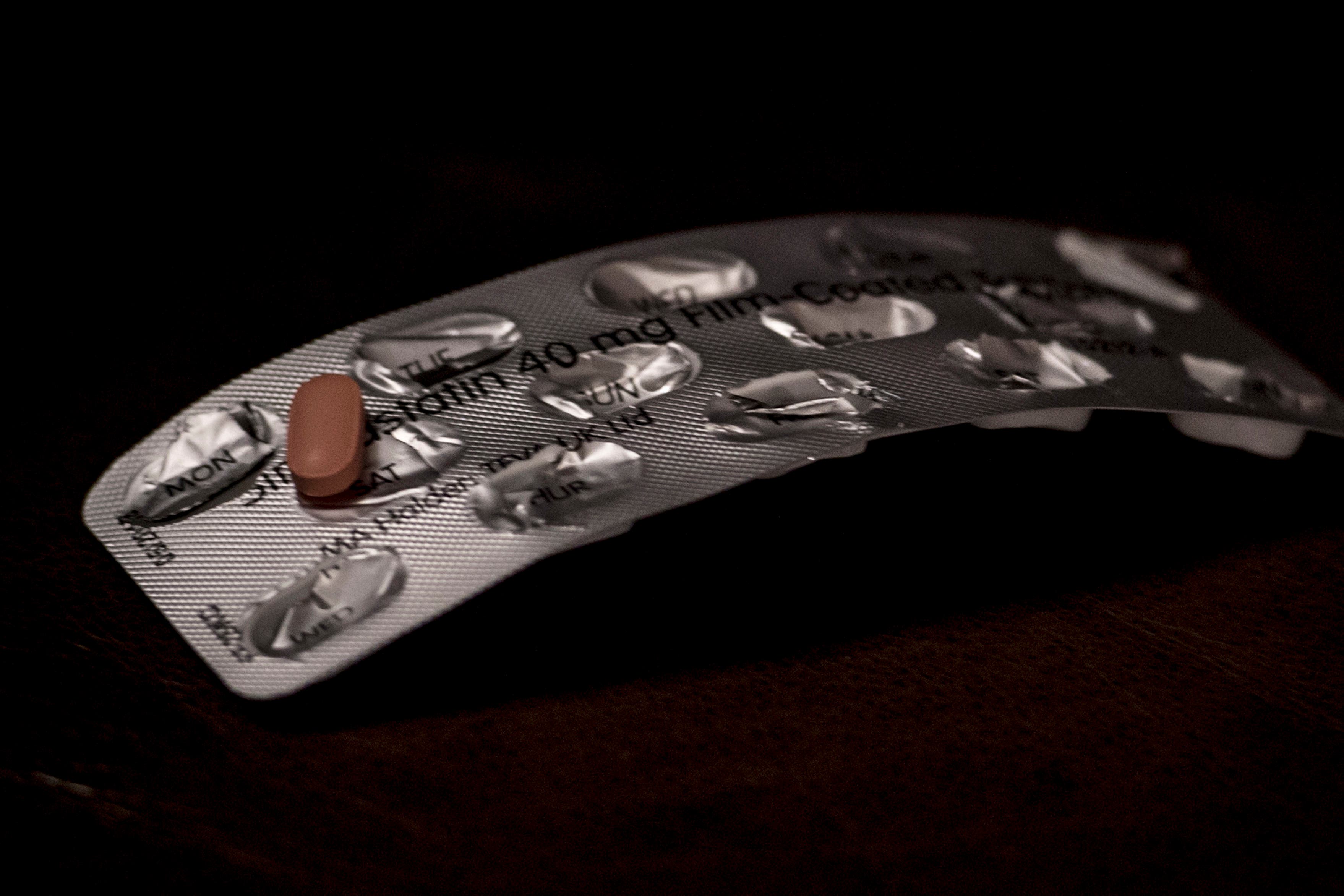
But statin, a cholesterol-lowering medication taken by more than 7 million people in the UK which lowers the risk of heart disease, could be the solution according to American researchers.
“Cancer treatment can be debilitating, and cognitive decline arising from chemotherapy treatment can sometimes last long after treatment concludes,” said lead researcher Pamela Jill Grizzard, assistant director of research compliance and regulatory affairs at the VCU Health Pauley Heart Center in Richmond, Virginia.
For the study, published in the journal JAMA Network Open, researchers analysed data gathered during an earlier clinical trial that investigated whether statins could protect the heart from chemotherapy damage.
Results suggested the cholesterol-lowering medication protects patients’ executive function - the high-level mental skills used to plan, organise, solve problems and manage emotions.
A total of 238 cancer patients were split into two groups. One group took a daily 40-mg dose of statin and the other a placebo pill during their treatment for 24 months.
The participants taking statins performed an average 10 seconds better on an executive function test than people provided placebo pills, results show.
“Our results suggest that cancer patients who participated in our statin group may have shown some unexpected cognitive benefit while undergoing chemotherapy and for two years after treatment,” Dr Grizzard said.
“Protecting the mind is just as important as protecting the heart during cancer treatment.”
“If future studies confirm a beneficial effect, statins could become a valuable tool in helping cancer survivors maintain cognitive function and quality of life throughout treatment,” she added.
Previous research has also shown statin can reduce the death rates of several cancers, including chronic lymphocytic leukaemia (CLL) and small lymphocytic lymphoma (SLL).
The study found patients who took a statin had a 61 per cent reduced risk of dying from their cancer.
Join our commenting forum
Join thought-provoking conversations, follow other Independent readers and see their replies
Comments
Bookmark popover
Removed from bookmarks