English teeth are worse than they have been for 25 years
Experts said the findings are ‘deeply alarming’
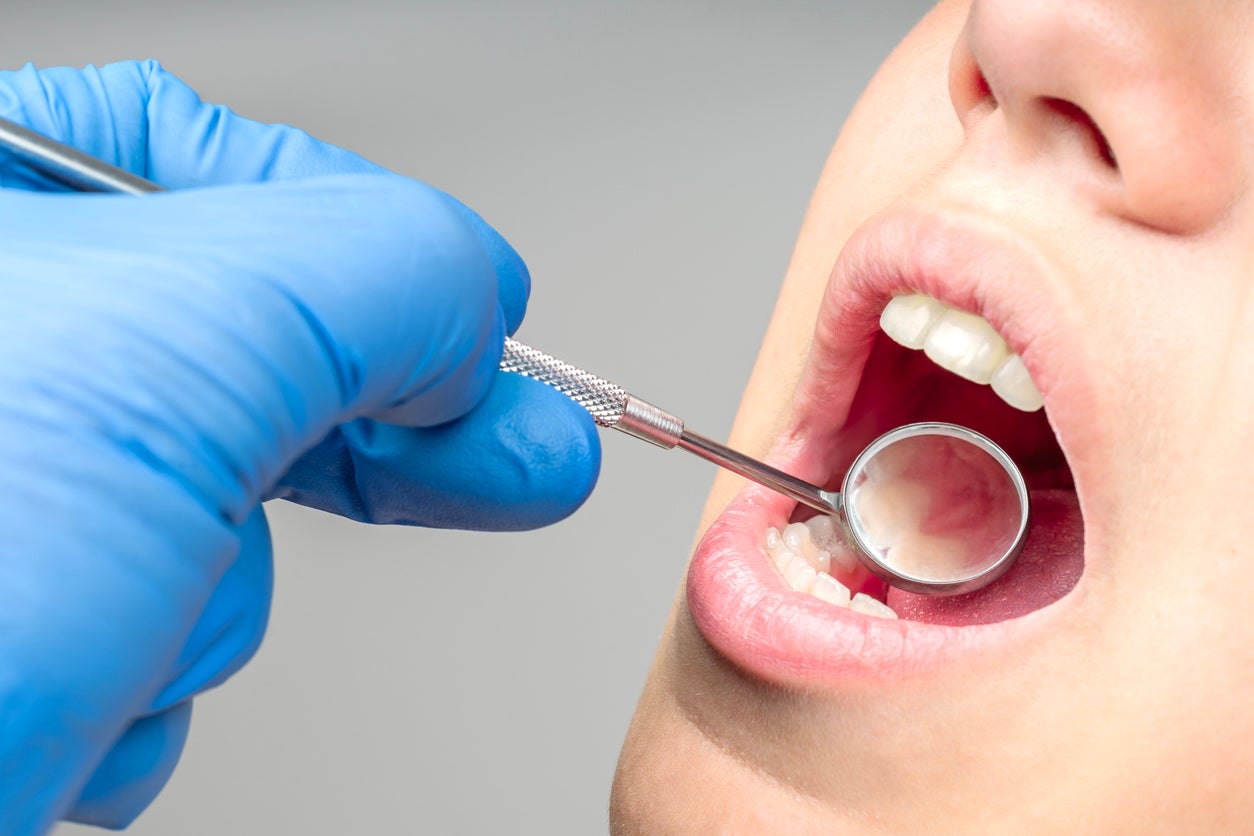
Levels of tooth decay among adults in England are now similar to those last seen more than 25 years ago, according to new figures.
More than four in 10 people (41%) had obvious signs of rotten teeth when examined, up from 28% in 2009 and similar to levels in 1998.
This was described as “almost a reversal of the previous improvement” by the latest Adult Oral Health Survey (AOHS).
Experts also said the findings are “deeply alarming”.
The AOHS 2023 provides the first picture of adult oral health in England for more than a decade.
Some 2,285 people were interviewed for the study, while 1,619 also had an oral examination.
When using the most sensitive measure of tooth decay – which also assesses enamel decay – almost two-thirds (64%) had decay in one or more teeth.
More than four in 10 people (42%) said their oral health impacted their daily life, up from 33% in 2009.
Almost one in five (19%) had potentially urgent conditions such as dental pain and deep decay.
Regular attendance to the dentist has fallen.
Just over half (52%) of people told the survey they would go to the dentist for a check-up, down from 61% in 2009, while 35% said they only go when they are having problems.
Four in 10 said they were unable to find a dentist, while 31% said they cannot afford to pay.
George Tsakos, professor of dental public health at University College London, said: “These findings are deeply alarming.
“Earlier oral health gains have been reversed, and we are now back to the levels of untreated tooth decay last seen in 1998.
“More adults are reporting that the poor state of their teeth and mouth is affecting their quality of life, such as causing difficulty eating, than in previous surveys.”
The survey also highlighted inequalities in oral health, with people in more deprived areas in more pain with a worse quality of life and less likely to attend the dentist regularly.
Prof Tsakos said: “This presents a considerable public health challenge and is an area that we need to look at as a priority.
“Decay is caused by sugar and we need prevention strategies which address that such as the recent planned extension of the sugar levy to high-sugar drinks including milk-based drinks.”
Elsewhere, the survey found very few adults now have no natural teeth.
Some 2.5% reported having no natural teeth, down from 6% in 2009.
AOHS is commissioned by the Office for Health Improvement and Disparities and delivered by a group led by the National Centre for Social Research (NatCen)
Franziska Marcheselli, research director at the NatCen said: “Adults in England are keeping more of their natural teeth for longer, but today’s findings show that tooth decay has risen again and is now more common than it was in 2009.
“The findings underline the importance of prevention and better access to dental care, particularly for those facing the greatest disadvantage.”
Eddie Crouch, chairman of the British Dental Association, said: “Hard-won gains on oral health are going into reverse.
“Governments need to double down – and deliver promised reforms and vital investment.
“Without real commitment NHS dentistry won’t have a future and the nation’s oral health gap will widen further.”
Join our commenting forum
Join thought-provoking conversations, follow other Independent readers and see their replies
Comments
Bookmark popover
Removed from bookmarks