Complications from medical tourism costs the NHS £20,000 per patient, study says
Medical tourism industry is worth more than $400 billion (£300 billion) annually, with anticipated year on year growth of 25 per cent
Complications from traveling abroad for weight-loss surgery and cosmetic surgery could be costing the NHS up to £20,000 per patient.
The popularity of medical tourism is only increasing with hundreds of thousands of Britons traveling abroad for cut-price surgery. Experts have warned the industry is putting patients' lives at risk and is in urgent need of regulation.
But if there are complications following the surgery patients can face difficulty accessing follow up support. As a result, the responsibility usually falls on the home country’s health service to “pick up the pieces".
“Too often people are drawn in by cut-price deals and glossy online marketing, only to return with serious, sometimes life-changing complications,” Professor Vivien Lees, Vice President of the Royal College of Surgeons of England (RCS England) told the Independent.
“While many overseas providers offer high-quality care, gaps in regulation, aftercare and accountability make this a significant patient-safety issue,” she added.
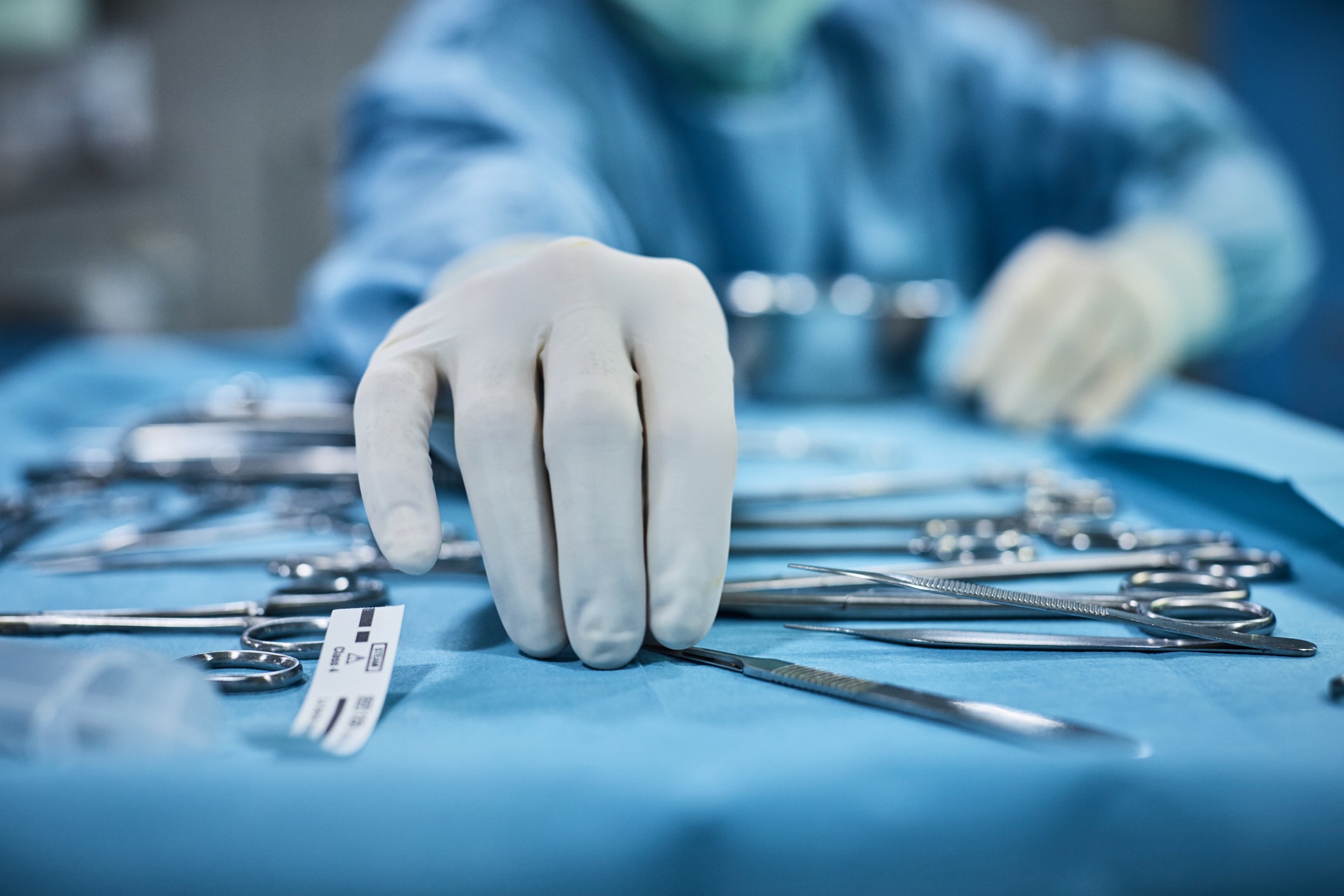
For the study published in the open access journal BMJ Open, 90 relevant studies as well as conference proceedings, discussion papers, editorials, and government, industry, and institutional reports, published between 2012 and December 2024, were reviewed.
Studies that described cases of emergency and urgent surgery abroad; treatment for cancer, infertility, and dentistry; and transplant surgery were excluded from the analysis.
More than half of the 655 patients treated by the NHS between 2022 and 2024 revealed in the case reports received surgery for complications arising from bariatric, also known as weight-loss surgery. The rest (265) were for cosmetic surgeries such as breast surgery enlargement, and ‘tummy tuck’ and just five were for eye surgery.
Countries from every continent were mentioned as destinations for medical tourism, but Turkey was the most common destination with 61 per cent of studies citing it as the destination.
While no deaths were reported in the reviews studied, more than half of patients experienced moderate to severe complications.
Treatment for these was not clearly reported in most of the studies, however, and only 14 studies reported on the associated costs, which ranged from £1058 to £19,549 per patient in 2024 prices.
Medical tourism industry is worth more than $400 billion (£300 billion) annually, with anticipated year-on-year growth of 25 per cent.
Patients seeking weight loss surgery, for example, are often lured abroad by cut price deals and before and after weight loss images posted on social media. The out-of-pocket cost for this type of surgery done privately in the UK is around £10, 000 to £15,000, but costs approximately £2,500 to £4,500 in countries, such as Turkey.
“We still do not know how many people resident in the UK go abroad for elective surgery or how many people subsequently experience complications. Without these data, we cannot fully understand the levels of risk that people seeking surgery abroad are taking,” study authors emphasise.
“Awareness-raising campaigns and interventions are warranted to inform members of the public in the UK considering going abroad for surgery about the potential for complications.” they add.
“Those seeking medical treatment abroad should be made aware of which complications the NHS is responsible for treating, and costs for which the patient may be potentially personally liable, including non-emergency treatment,” they suggest.
Professor Lees said the findings of the study highlight the need for reliable national data on how many people this affects.
“When things go wrong, the NHS is left to pick up the pieces, often in emergencies and without full information about what surgery was done or by whom. That puts patients at risk and adds avoidable pressure to already stretched services,” she said.
“It should not be the role of the NHS to routinely mop up the mistakes of private providers overseas, and we would encourage the government to continue bringing pressure to bear on foreign providers and other governments including to cover the costs of complications that happen in their countries.”
“Better public information, including building on the UK government’s partnership with TikTok, and improved data collection are essential to protect patients and the NHS.”
A Department of Health and Social Care spokesperson said: “Too many people are also being lured overseas for cheap cosmetic procedures, only to come home with life-changing complications that – as this report shows - end up costing the NHS thousands of pounds.
“We have launched a major drive to crack down on dangerous medical tourism and raise awareness of the risks medical tourism brings.
“The UK government has been actively engaging with governments overseas on how to support the safety of patients who decide they wish to travel for medical treatment, and will be updating its guidance in due course.”
Join our commenting forum
Join thought-provoking conversations, follow other Independent readers and see their replies
Comments
Bookmark popover
Removed from bookmarks