The new DNA test that could predict cancer before it develops
A simple cheek swab can detect gene mutations in healthy tissue
A novel technique that uses a simple cheek swab to detect gene mutations in healthy tissue could emerge as a "useful tool for cancer prevention", researchers have suggested.
Experts anticipate that mapping these mutations – often a consequence of ageing, smoking, and heavy drinking – might eventually serve as "measurable indicators of cancer risk".
A team led by the Wellcome Sanger Institute, in collaboration with the TwinsUK study at King’s College London, has refined nanorate sequencing (NanoSeq) a method allowing scientists to study genetic changes with unprecedented accuracy.
These DNA changes, known as somatic mutations, happen naturally with age and are mostly harmless. However, some mutations give cells a growth advantage, meaning they can clone cells with the same mutations.
These patches have the potential to become the earliest stages of cancer.
For the study, researchers used NanoSeq to analyse cheek swabs from 1,042 people taking part in the TwinsUK study, as well as 371 blood samples.
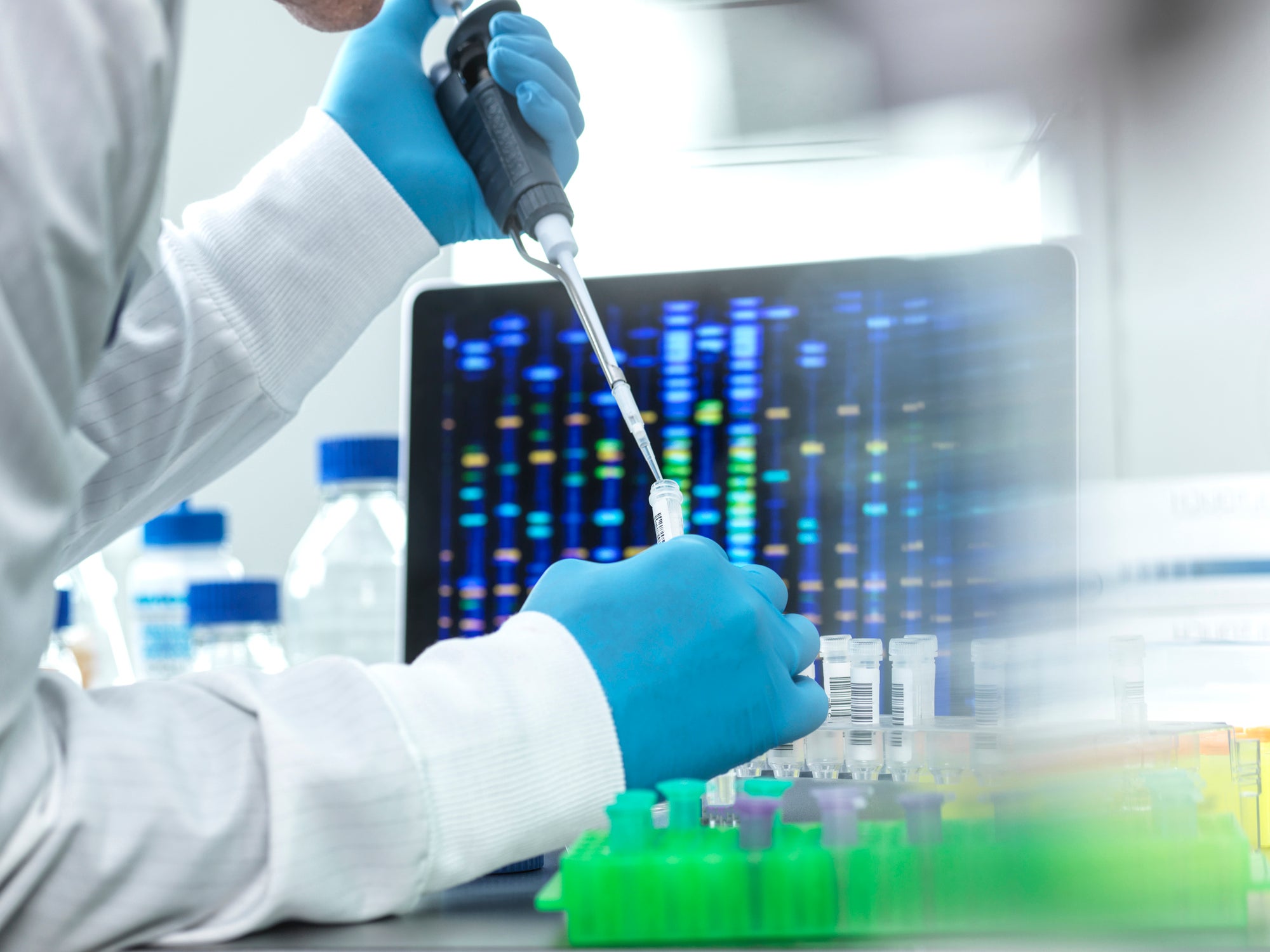
Volunteers ranged in age from 21 to 91, and included smokers, non-smokers, and people who drink different levels of alcohol.
The analysis picked up more than 340,000 mutations in cheek cells, including over 62,000 in genes known to drive cancer, while 49 genes had mutations that gave cells a growth advantage.
“This is the largest study to date on how somatic mutations accumulate in a human tissue, as a result of ageing, smoking, alcohol, biological sex and other risk factors,” Dr Federico Abascal, of the Wellcome Sanger Institute, said.
“Mutational landscapes could one day be used as measurable indicators of cancer risk, allowing earlier and more precise interventions.”
The study, published in Nature, also showed patterns of mutations linked to ageing, smoking and alcohol consumption.
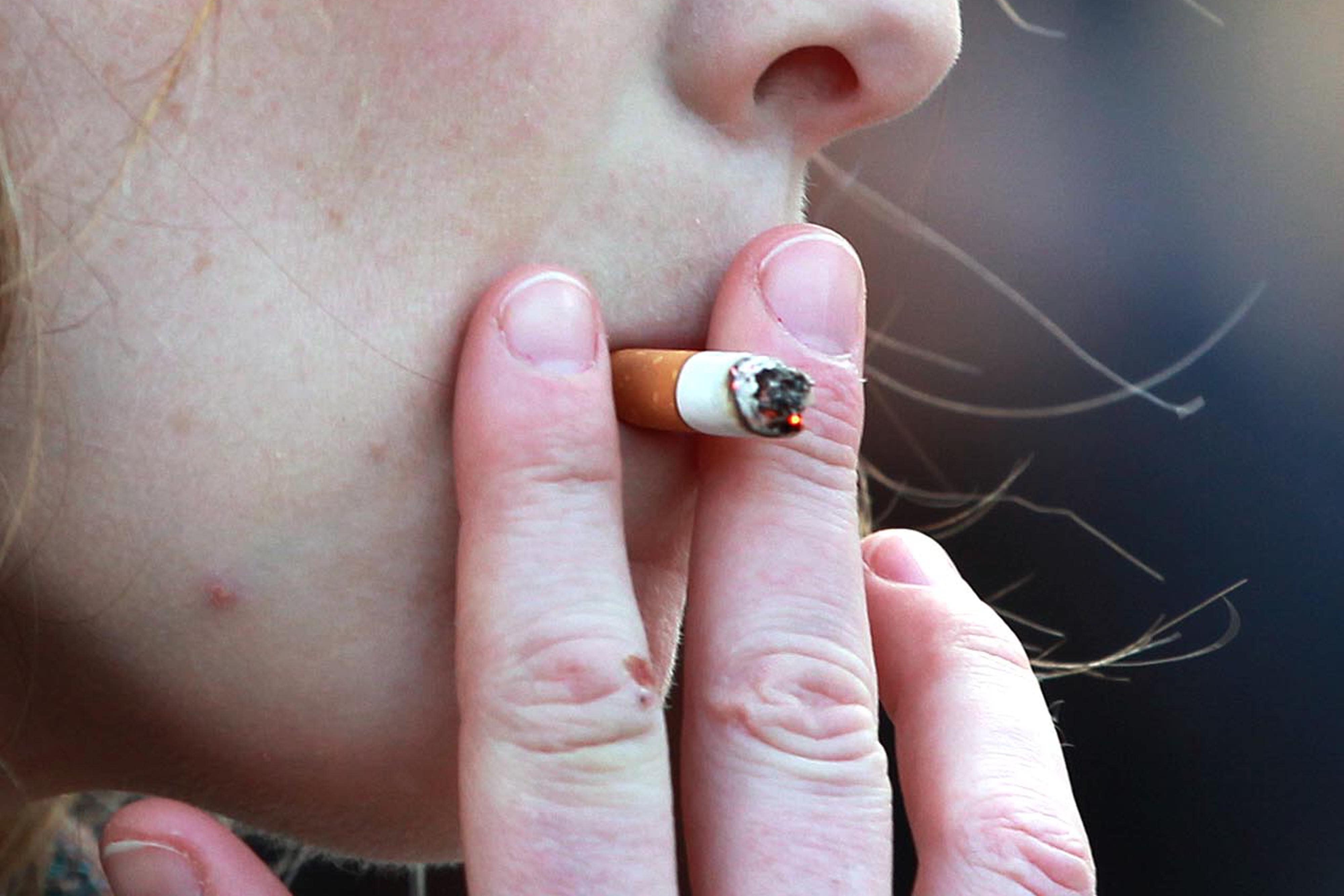
Patients who smoked had more mutations in the NOTCH1 gene, which are linked to a number of illnesses, while heavy drinkers also had a pattern of DNA changes.
Researchers said that most mutations in normal tissue were small and did not continuously grow over time.
Senior author Dr Inigo Martincorena, of the Wellcome Sanger Institute, said: “With NanoSeq, we are able to measure the genetic consequences of certain lifestyle factors in normal tissues, meaning we can better understand why and how they cause cancer.
“We hope that this new ability to study somatic mutations in non-invasive tissue biopsies from healthy individuals becomes a useful tool for cancer prevention, by improving our ability to identify exposures in the population that could be mutagenic and carcinogenic, and by helping in the discovery of cancer preventive drugs.”
Elsewhere, experts also used NanoSeq to map how harmful DNA changes in sperm cells can increase as men age.
Sperm samples from 81 men, aged between 24 and 75 and collected as part of the TwinsUK study, found around 2 per cent of sperm from men in their early 30s carried disease-causing mutations, rising to 3-5 per cent for middle aged men and older men.
Prof Matt Hurles, director of the Wellcome Sanger Institute and co-author, said: “Our findings reveal a hidden genetic risk that increases with paternal age.
“Some changes in DNA not only survive but thrive within the testes, meaning that fathers who conceive later in life may unknowingly have a higher risk of passing on a harmful mutation to their children.”
Join our commenting forum
Join thought-provoking conversations, follow other Independent readers and see their replies
Comments
Bookmark popover
Removed from bookmarks