Top preventable cancer causes in UK revealed – and how to cut your risk
Researchers estimate that 7.1 million of the 18.7 million cancer cases diagnosed globally in 2022 were preventable
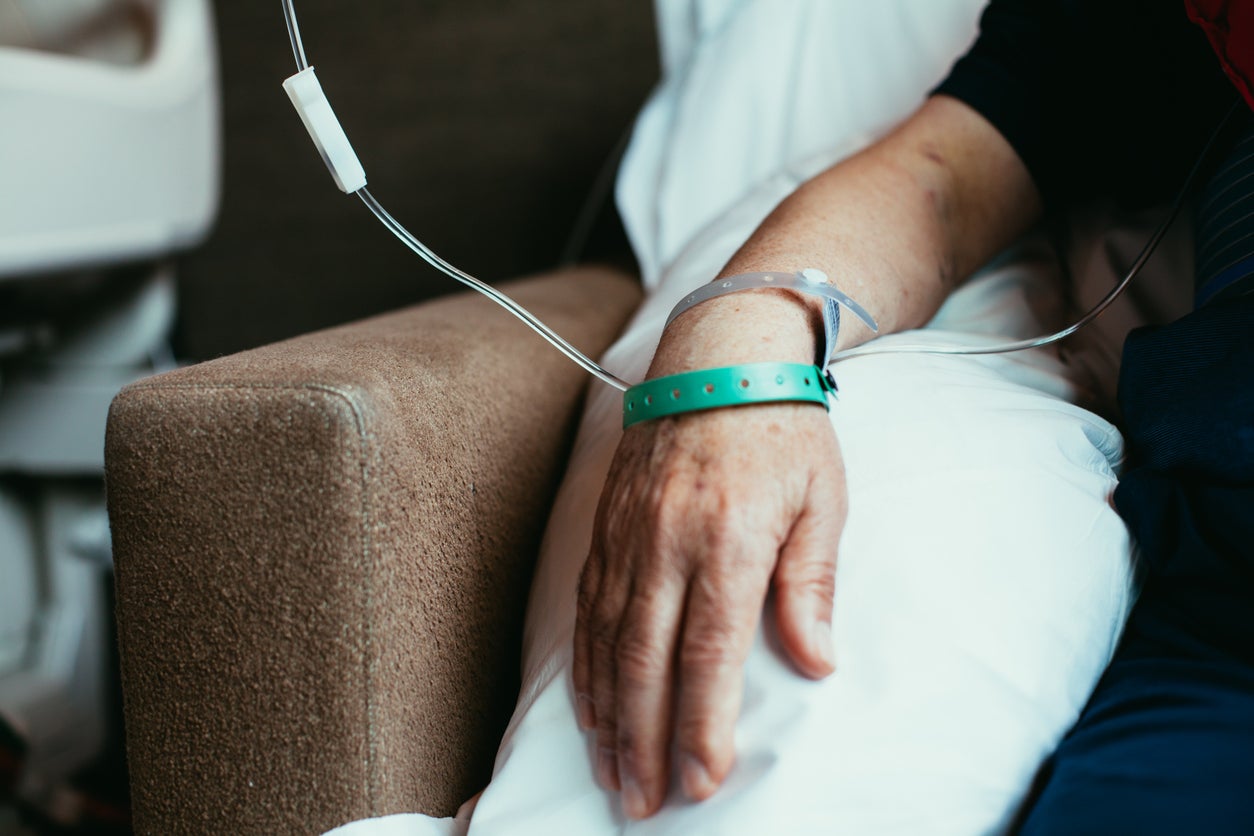
Smoking, being overweight, and exposure to ultraviolet radiation from the sun and sunbeds are the top preventable causes of cancer, experts have warned.
Researchers from the World Health Organisation (WHO) and its International Agency for Research on Cancer (IARC) analysed 30 risk factors that cause cancer, such as smoking, drinking alcohol and air pollution.
Using data from across 185 countries, they estimate that about 7.1 million of the 18.7 million new cancer cases diagnosed globally in 2022 were preventable.
UK figures show some 32.6 per cent of all new cancer cases – more than 148,000 – were caused by preventable factors during the period.
The top cause was tobacco smoking, which accounted for 16.2 per cent of cases, followed by excess body fat (4.2 per cent) and ultraviolet radiation (3.6 per cent).
“Today, we are here to celebrate good news founded on strong science; many cancers are preventable,” Dr Andre Ilbawi, WHO team lead for cancer control, said, while calling for prevention strategies to focus on tackling risks and not blame.
He added the findings, published in the journal Nature Medicine, “help us understand what is driving the cancer burden and what are the highest risks for different populations”.

“Tobacco, alcohol, air pollution, unhealthy diets, physical activity and infections such as human papillomavirus and hepatitis – these continue to drive avoidable injury to the avoidable illness and death,” Dr Ilbawi said.
“Investing in cancer prevention, therefore, delivers wide-ranging health, societal and economic benefits.
“There’s one key message to recall; prevention must be communicated carefully, focusing on risk reduction, not blame, emphasising policy and structural solutions, acknowledging uncertainty and respecting the dignity of people living with cancer.”
Smoking
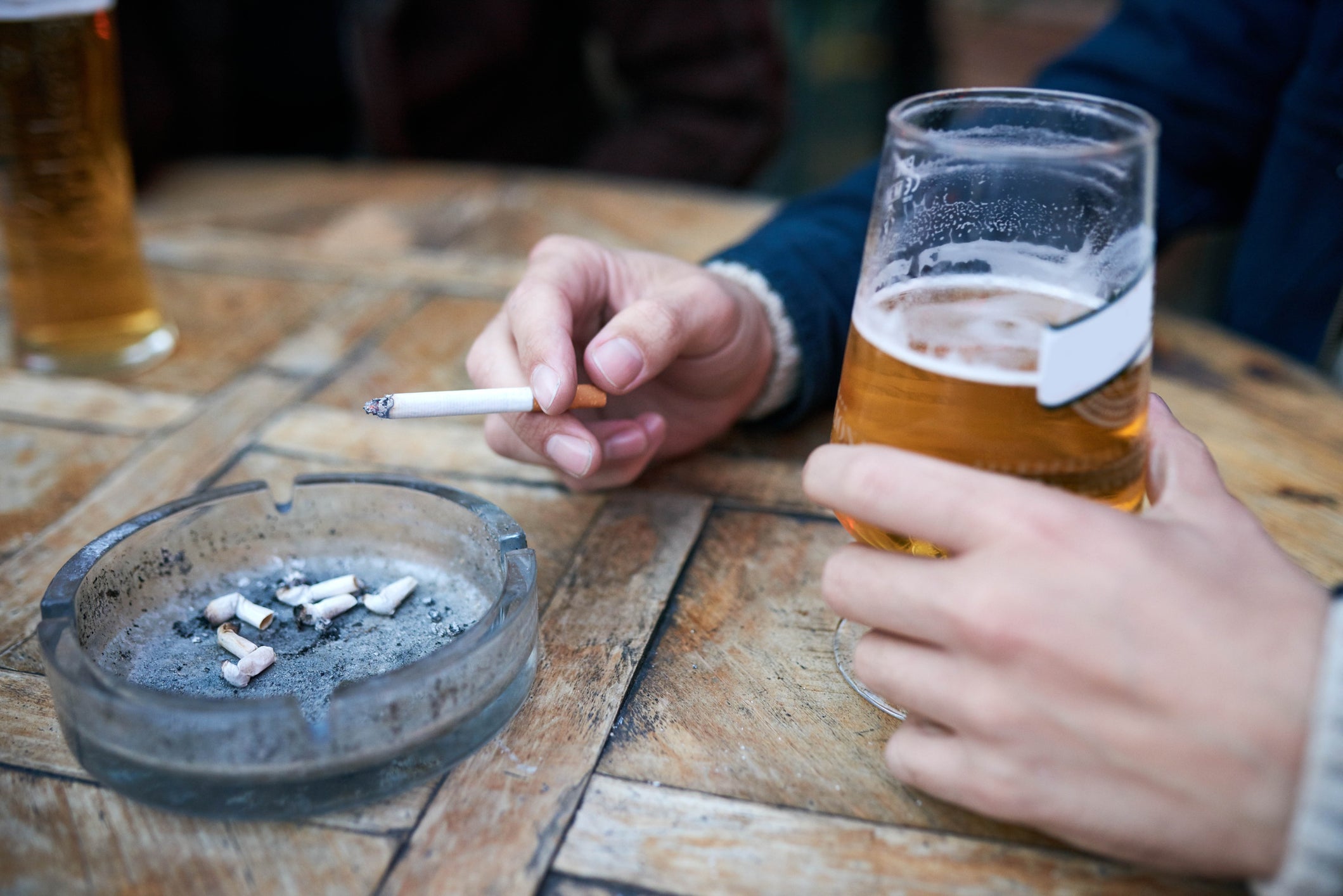
Smoking causes at least 16 different types of cancer and is the biggest cause of lung cancer in the UK.
It is thought as many as 79 per cent of lung cancer cases in the UK are preventable, according to Cancer Research UK.
For women, more than 68,000 cancer cases were preventable and tobacco was the top cause at 13.8 per cent, the recent study revealed.
More than a third of new cancer cases were preventable in men, the equivalent of more than 80,000, but again the leading cause was smoking at 18.5 per cent. The top cancer site was the lungs for men, with 19,000 cases.
Cigarette smoke contains over 5000 chemicals, 70 of which are known to cause cancer.
When these harmful chemicals enter the lungs they affect the entire body and damage DNA.
Drinking alcohol
Alcohol can cause seven different types of cancer, including bowel, breast, mouth, throat and liver cancer, according to Cancer Research UK. It is responsible for about 3.3 per cent of cancer cases in the country, which is around 11,900 cases per year, Alcohol Change UK has said.
The recent study found alcohol consumption was one of the top causes of cancer in men at 4.1 per cent. It also found more than 10,000 cases of colorectal cancer in men were partly caused by alcohol consumption.
When alcohol is consumed, the body turns it into a chemical called acetaldehyde, which can stop cells from repairing damage in the body.
It also increases levels of some hormones, such as oestrogen and insulin – this can make cells divide more often and increase the chance of cancer developing, Cancer Research UK has warned.
High BMI
Being overweight or obese is the second biggest cause of cancer in the UK, causing more than one in 20 cancer cases.
The study found that for UK women, there were more than 17,000 cases of lung cancer, followed by more than 12,000 cases of breast cancer caused by excess body weight or not enough exercise, as well as alcohol consumption.
Excess body weight was one of the top causes of cancer in women at 5.5 per cent.
Too much body fat can cause cancer for several reasons: it can cause levels of hormones to rise, which tells cells to divide more often, and it can cause inflammation which also causes cells to divide more quickly.
But weight loss jabs such as Wegovy and Mounjaro, could help reduce this risk with around 1.6 million Britons using the jabs this past year.
One study published in the journal eClinicalMedicine suggests that weight loss injections, also known as GLP-1 receptor agonists, may have a significant anti-cancer effect beyond simply aiding in weight reduction, due to the drugs' ability to reduce inflammation.
Ultraviolet radiation
Ultraviolet radiation from the sun or sunbeds is to blame for 3.4 per cent of cancer cases in women and 3.8 per cent in men.
While some people will claim sunbathing is integral to wellness, sunburn is still skin damage and increases the risk of skin cancer.
Sunbeds are known to increase the risk of melanoma – the deadliest form of skin cancer killing about six people a day. Around 100 melanoma deaths in the UK each year are linked to sunbed use, according to charity Melanoma Focus.
The WHO has classed sunbeds to be as dangerous as smoking. Using a sunbed before the age of 20 increases the risk of melanoma skin cancer by 47 per cent compared to those who have never used one.
The government has proposed a crackdown on rogue businesses flouting the law and putting children’s health at risk by selling sunbed sessions to under 18s.
New proposals under the soon-to-be launched National Cancer Plan will strengthen requirements around commercial sunbed use, including banning unsupervised sessions, and introducing mandatory ID checks to verify users are over 18.
What does the global analysis say?
The 7.1 million preventable cancer cases across the globe are the equivalent of four in 10, the study found.
Dr Isabelle Soerjomataram, deputy head of the IARC Cancer Surveillance Unit, said: “This represents 37.8 per cent of the total cancer burden, a very substantial proportion.
“Breaking this down to major risk factors, smoking accounts for 3.3 million cases, infections for 2.2 million cases, and alcohol contributes for approximately 700,000 cases.
“So these three factors represent the majority of preventable global cancer burden, highlighting where prevention efforts could have the greatest impact.
“Each country and region need to adapt global and regional strategies to prevention priorities that are aligned with its specific cancer burden profile.”
Global analysis also highlighted a significant difference between men and women across the world when it came to cancer causes.
According to the study, 45 per cent of new global cancer cases among men were linked to preventable risk factors compared with 30 per cent among women.
Join our commenting forum
Join thought-provoking conversations, follow other Independent readers and see their replies
Comments
Bookmark popover
Removed from bookmarks