Breast cancer discovery could make treatment more effective
Researchers appear to have found a solution for younger patients who do not respond well enough to tamoxifen
Researchers appear to have found a solution for breast cancer patients who do not respond well enough to a common treatment.
Tamoxifen works by preventing the hormone estrogen from binding to proteins on cancer cell surfaces, keeping the cancer from growing.
To work well, tamoxifen must be converted by the enzyme CYP2D6 into a form called (Z)-endoxifenb but in about a third of patients, levels of that enzyme are genetically low. As a result, the conversion is impaired.
Postmenopausal women can use alternative drugs known as aromatase inhibitors, but those are not an option for younger patients.
In such cases, giving supplemental (Z)-endoxifen compensates for the insufficient conversion of tamoxifen and makes it more effective, according to results from a German study published in Clinical Cancer Research.
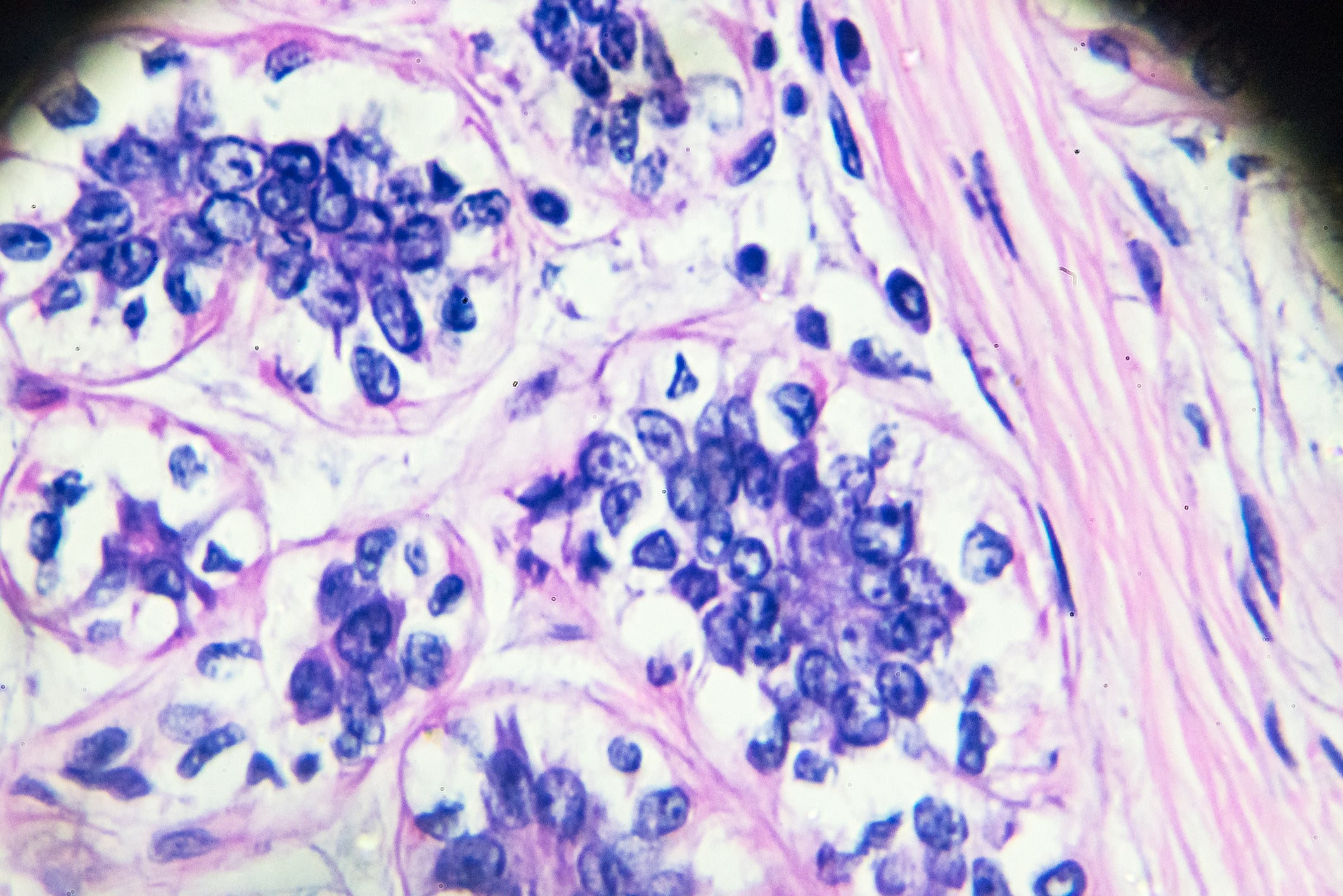
In the study, 235 patients with early-stage hormone-dependent breast cancer received either tamoxifen alone or in combination with (Z)-endoxifen, depending on whether tamoxifen was being metabolised appropriately.
The patients receiving combination therapy achieved desired drug concentrations in the blood similar to those found in patients with normal metabolism who received tamoxifen alone.
Side effects were mild and similar in both groups, according to the report.
Main symptoms of breast cancer in women
NHS
Symptoms of breast cancer in women may include:
- a lump, or swelling in your breast, chest or armpit
- a change in the skin of your breast, such as dimpling (may look like orange peel) or redness (may be harder to see on black or brown skin)
- a change in size or shape of 1 or both breasts
- nipple discharge (if you are not pregnant or breastfeeding), which may have blood in it
- a change in the shape or look of your nipple, such as it turning inwards (inverted nipple) or a rash on it (may look like eczema)
- pain in your breast or armpit which does not go away – breast pain that comes and goes is usually not a symptom of breast cancer
"With (this approach), we are offering the first effective solution to a long-standing problem: the insufficient effect of tamoxifen in a significant proportion of patients," study leader Dr Matthias Schwab of the Dr. Margarete Fischer-Bosch Institute of Clinical Pharmacology in Stuttgart said in a statement.
A mid-stage trial testing (Z)-endoxifen in premenopausal women with newly diagnosed early-stage hormone-responsive breast cancer is underway in the United States.
Study sponsor Atossa Therapeutics has said it plans to file an application seeking approval with the Food and Drug Administration in 2026.
Join our commenting forum
Join thought-provoking conversations, follow other Independent readers and see their replies
Comments
Bookmark popover
Removed from bookmarks