‘Life-changing’ new treatment for children after brain cancer
The new cognitive rehabilitation programme aims to address a gap in care after children receive treatment for brain cancer
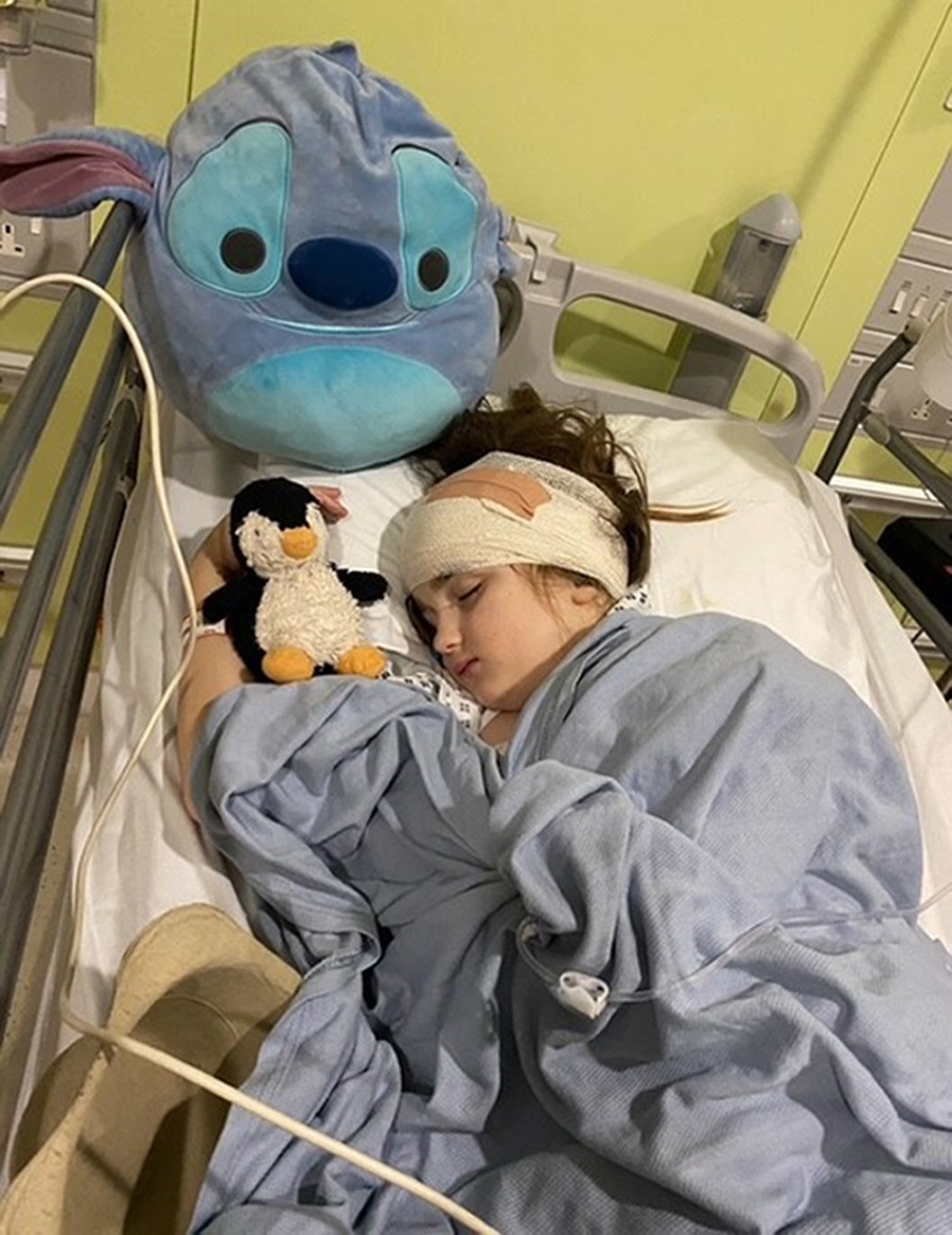
The family of one of the first children to be given a new course of rehabilitation says it has been “life-changing”.
Experts at the Great Ormond Street Hospital (Gosh) developed a new cognitive rehabilitation programme to address a gap in care after children receive treatment for brain cancer.
Medics from Gosh said that there are no tested cognitive rehabilitation programmes for children following a brain tumour in the NHS.
Survivors can suffer from a range of challenges, including issues with memory, attention and cognitive fatigue.
The new programme, which aims to help children and their families struggling with these challenges after their medical treatment, is being trialled among a small number of children.
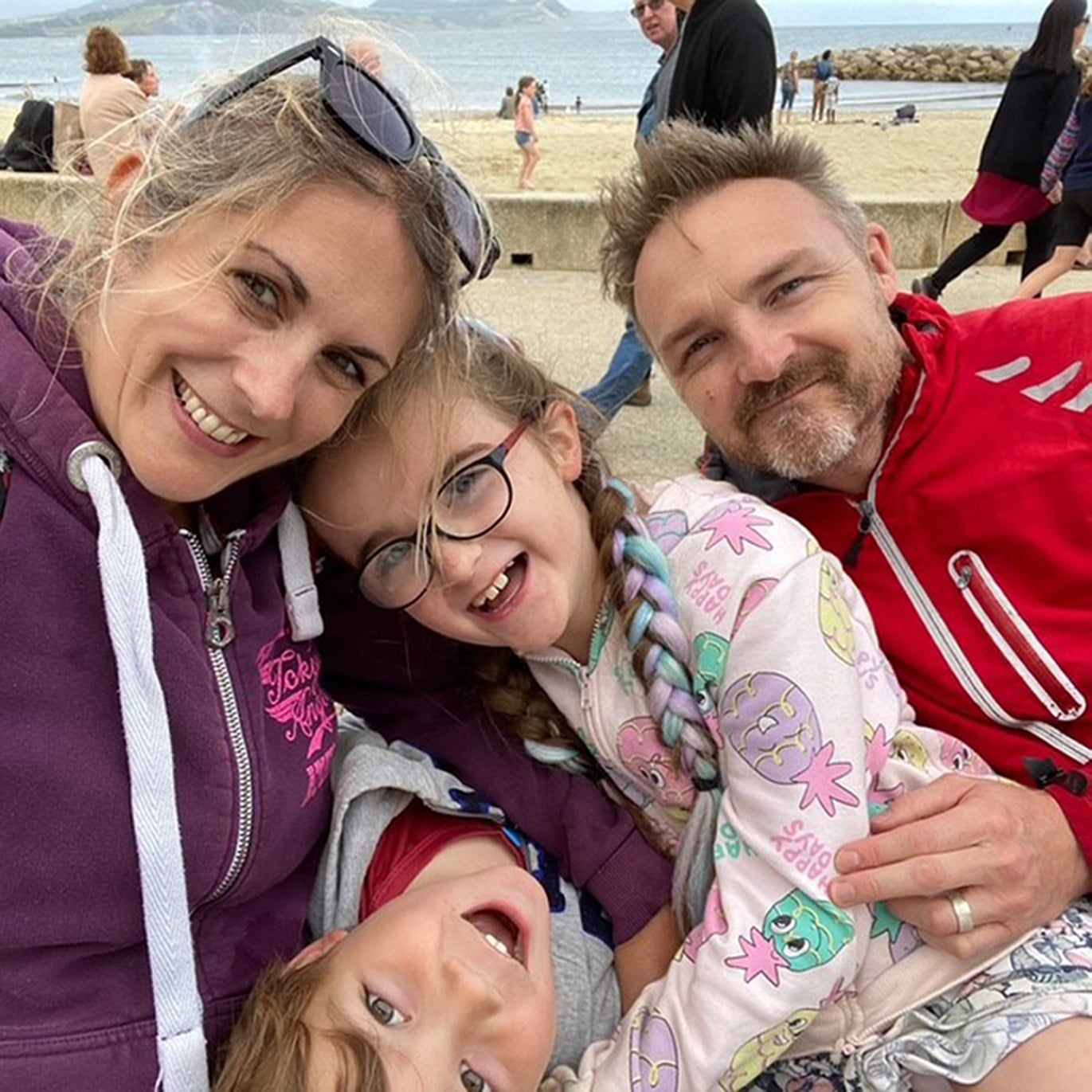
One of the first to sign up was 11-year-old Sophia Chant.
When she was just five months old, she was diagnosed with a build-up of fluid on the brain, also known as hydrocephalus.
She was transferred to Gosh for life-saving treatment and further investigations found that she had a brain tumour.
Symptoms of brain tumours in children
Cancer Research UK
It’s important for your child to see their general practitioner (GP) if they have any of the following symptoms:
- headaches
- feeling or being sick
- seizures (fits)
- problems with their eyes or vision
- problems with their strength, balance or coordination
- changes in their behaviour
- problems with their posture
- delayed or stopped puberty
- your baby's head measures larger than it should
Sophia, from Leigh-on-Sea in Essex, spent much of her early childhood in and out of hospital, having treatments including chemotherapy to shrink the tumour, several operations and follow-up appointments.
In 2017, she went into remission and has regular check-ups at the hospital.
She is one of 36 children taking part in a study evaluating a new rehab programme.
Her mother, Nina Chant, 41, said: “Having the opportunity to be part of this study has been life-changing.
“It’s given us a way forward as a family. It’s helped Sophia understand her brain fatigue and problems with her memory, and her different feelings and emotions.
“It’s given us all some good techniques for how to deal with these and also apply them in different situations, such as at home and at school.
“The team was so kind and supportive, and we were able to join the sessions online and in-person, too. The study really took into consideration the whole family.
“We’re so grateful for the care Sophia has had at Gosh both during and after her brain tumour treatment.”
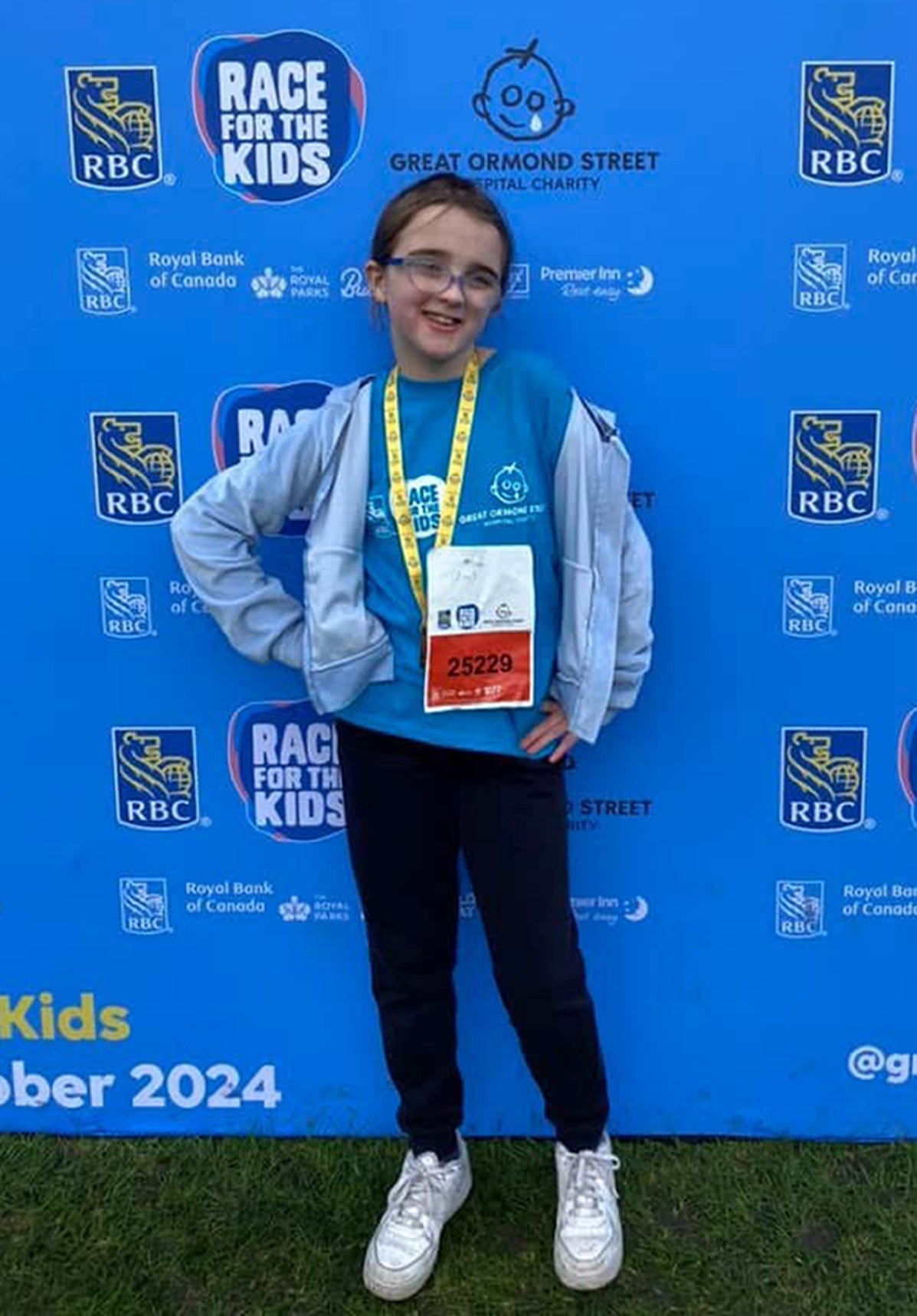
The study aims to assess the feasibility and acceptability of the new cognitive rehabilitation programme among seven to 17-year-olds.
Children involved in the study, funded by the National Institute for Health and Care Research and Success Charity – Life After Cure, will be given cognitive rehabilitation with cognitive fatigue management, or cognitive rehabilitation alone, or usual healthcare.
The findings will inform a larger UK-wide trial and pave the way for national cognitive rehabilitation services for children and young people who have had a brain tumour.
Dr Charlotte Malcolm, chief investigator and principal clinical neuropsychologist at Gosh, said: “This is the first trial of its kind to explore cognitive rehabilitation tailored for children and young people following treatment for brain tumours in the UK.
“We hope the programme will empower young people and their families with tools to better manage the cognitive challenges they face after treatment and to improve their quality of life.
“National guidelines recommend cognitive rehabilitation, yet access remains limited due to a lack of research and funding, and practical barriers.
“We hope this trial will address this gap and lead to improved post-treatment care.”
Join our commenting forum
Join thought-provoking conversations, follow other Independent readers and see their replies
Comments
Bookmark popover
Removed from bookmarks