Ancient bacteria found frozen in cave resistant to 10 types of antibiotics
5,000-year-old microorganism could add to the challenge of antibiotic resistance
Scientists have discovered bacteria frozen in an ancient underground ice cave that is resistant to 10 modern antibiotics.
Ice caves host a variety of microorganisms, which if melted, could add to the challenge of antibiotic resistance.
But researchers say they could also help us develop new strategies to prevent the rise of antibiotic resistance caused by the overuse of the drugs, which is making them less effective.
The bacteria found in a 5,000-year-old layer of ice inside a cave in Romania, Psychrobacter SC65A.3, is an organism adapted to cold environments that can cause infections in animals and humans.
Bacterial strains like the one examined by researchers hold both a threat and a promise. “If melting ice releases these microbes, these genes could spread to modern bacteria, adding to the global challenge of antibiotic resistance,” said study author Dr Cristina Purcarea, a senior scientist at the Institute of Biology Bucharest of the Romanian Academy.
“On the other hand, they produce unique enzymes and antimicrobial compounds that could inspire new antibiotics, industrial enzymes, and other biotechnological innovations.”
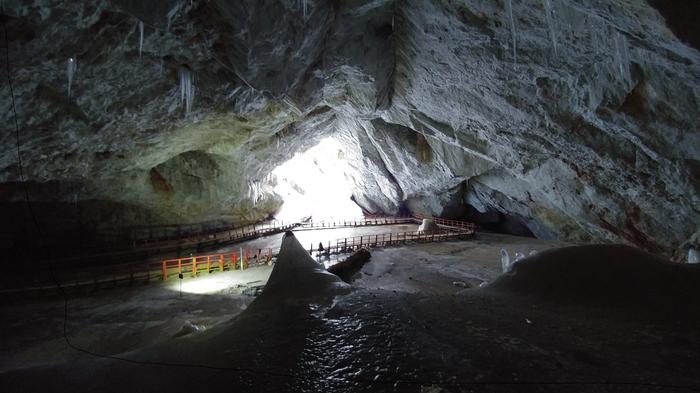
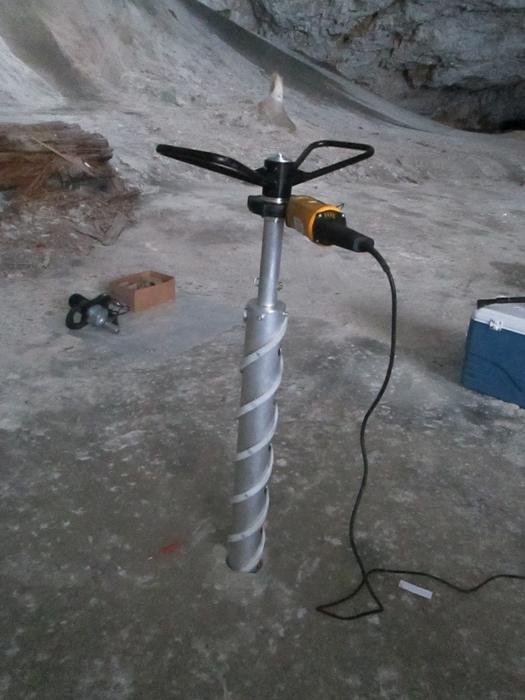
For the study, published in the journal Frontiers in Microbiology, researchers drilled a 25-metre piece of ice from an area of the cave known as the Great Hall, representing a 13,000-year timeline.
Ice fragments were taken back to a lab where researchers studied various bacterial strains and sequenced their genome to determine which genes allow the strains to survive in low temperatures and which confer antimicrobial resistance and activity.
“Studying microbes such as Psychrobacter SC65A.3 retrieved from millennia-old cave ice deposits reveals how antibiotic resistance evolved naturally in the environment, long before modern antibiotics were ever used,” said Dr Purcarea.
Researchers tested the strain against 28 antibiotics from 10 classes that are routinely used to treat bacterial infections, including antibiotics that were found to be resistant.
“The 10 antibiotics we found resistance to are widely used in oral and injectable therapies used to treat a range of serious bacterial infections in clinical practice,” Dr Purcarea added.
Antibiotics used to treat UTIs, lung, skin, and blood infections, and the reproductive system were found to not work against this strain, suggesting the cold environments have helped the bacteria develop specific DNA sequences that allow them survive exposure to drugs.
Almost 600 genes with unknown functions were found in the bacteria, suggesting a yet untapped source for discovering novel biological mechanisms. Analysis of the genome also revealed 11 genes that are potentially able to kill or stop the growth of other bacteria, fungi, and viruses.
Researchers say these findings are important as antibiotic resistance is a growing concern. Going back to ancient genomes and uncovering their potential highlights the important role the natural environment played in the spread and evolution of antibiotic resistance.
“These ancient bacteria are essential for science and medicine,” Dr Purcarea said, “but careful handling and safety measures in the lab are essential to mitigate the risk of uncontrolled spread.”
Join our commenting forum
Join thought-provoking conversations, follow other Independent readers and see their replies
Comments
Bookmark popover
Removed from bookmarks