The hobbies that could slash Alzheimer’s risk by nearly 40%
Maintaining an active brain can keep thinking skills and memory sharp
Engaging in activities such as reading, writing, or learning new languages could reduce the risk of developing Alzheimer’s disease by almost 40 per cent, according to new research.
Experts suggest that maintaining an active brain through lifelong learning can effectively stave off a decline in crucial thinking skills and memory.
The study tracked data from 1,939 individuals, 75 per cent of whom were women, with an average age of 80.
None of the participants had dementia at the outset of the research, which followed them for about eight years.
Researchers delved into participants' childhoods, assessing factors like access to encyclopaedias, globes, atlases, and books, whether they were read to, or if they learned a language.
Parental education and newspaper subscriptions were also considered.

For mid-life, the study examined income levels, access to reading materials, library membership, and cultural activities such as museum visits.
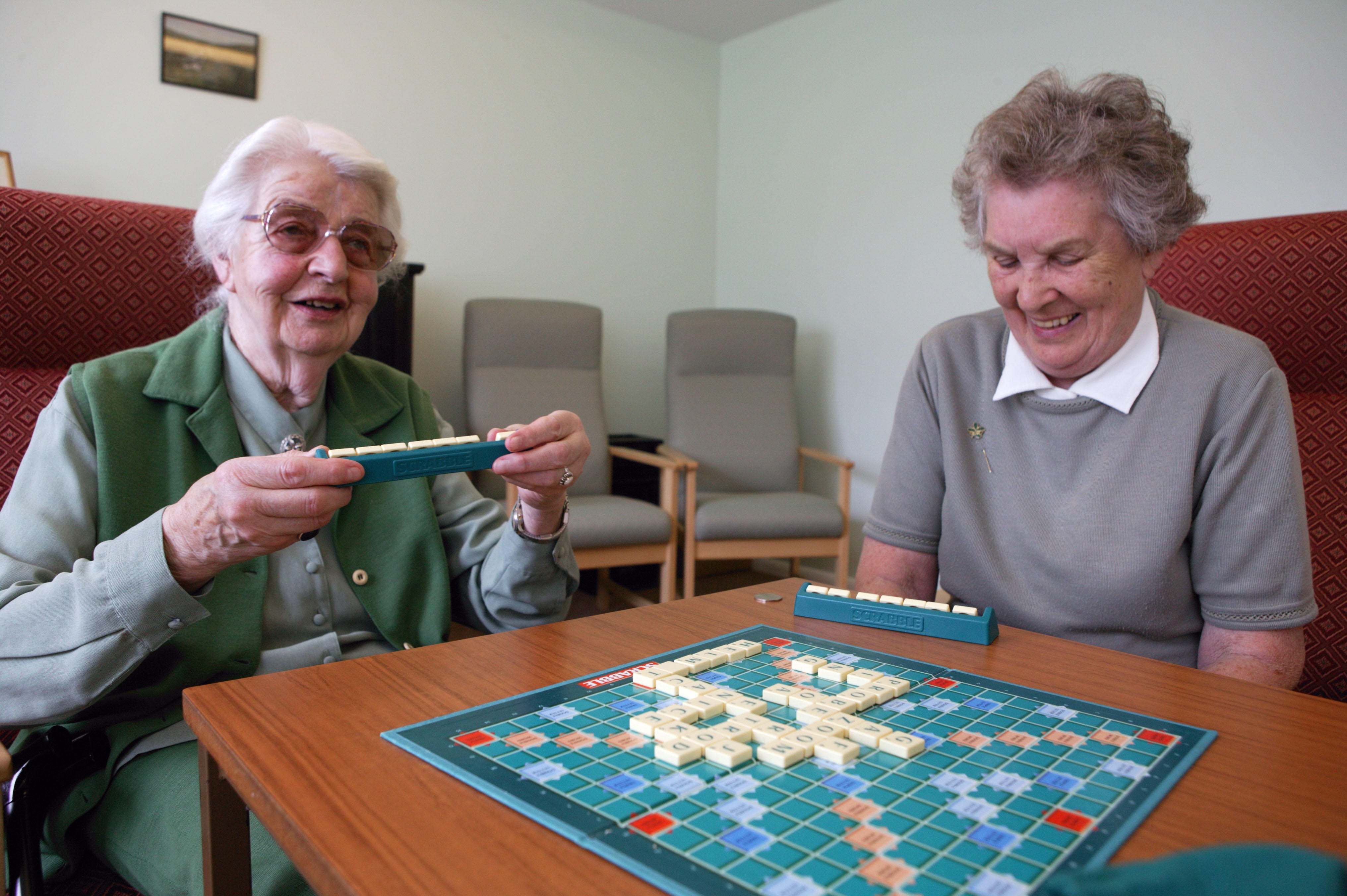
Late-life enrichment, from around the age of 80, focused on reading, writing, and playing games. Researchers also looked at income.
Using a score and after adjusting for factors such as age, sex and education, the study found that people in the top 10 per cent of lifetime cognitive enrichment had a 38 per cent lower risk of Alzheimer’s and a 36 per cent lower risk of mild cognitive impairment compared to those in the bottom 10 per cent.
People with the highest amount of lifelong learning developed Alzheimer’s disease five years later and developed mild cognitive impairment seven years later than those with the lowest amount.
Author Dr Andrea Zammit, from Rush University Medical Centre in Chicago, said: “Our findings suggest that cognitive health in later life is strongly influenced by lifelong exposure to intellectually stimulating environments.”
Alzheimer’s Research UK senior policy manager, Dr Isolde Radford, said: “This new research shows that staying mentally active throughout life can cut the risk of Alzheimer’s disease by nearly 40 per cent.
“This supports what we already know about the preventative steps people can take to reduce their risk of developing dementia.
“It also highlights that dementia is not an inevitable part of aging and that our cognitive health is shaped throughout our lives.
“Yet only a third of UK adults realise they can reduce their risk of dementia, meaning millions of people are missing opportunities to protect their brain health.
“Prevention matters, and the Government must lead a bold, joined-up approach to protecting the nation’s brain health — from tackling air pollution, to making healthy food affordable and prioritising early-years education.
“These big changes are essential to make sure everyone, particularly those in disadvantaged communities, benefits from good brain health.”
During the study, 551 people developed Alzheimer’s disease and 719 developed mild cognitive impairment.

Of those with the highest level of enrichment, 21 per cent developed Alzheimer’s. Of those with the lowest level, 34 per cent developed Alzheimer’s.
People with the highest lifetime enrichment developed Alzheimer’s disease at an average age of 94, compared to age 88 for those with the lowest level.
For mild cognitive impairment, people with the highest lifetime enrichment developed mild cognitive impairment at an average age of 85, compared to age 78 for those with the lowest level.
Further detail was gathered from people who died during the study and had post-mortem examinations.
Those people with higher lifetime enrichment had better memory and thinking skills and slower decline prior to death, even when researchers accounted for early brain changes linked to Alzheimer’s.
The study was published in Neurology, the medical journal of the American Academy of Neurology.
Join our commenting forum
Join thought-provoking conversations, follow other Independent readers and see their replies
Comments
Bookmark popover
Removed from bookmarks