Two alcoholic drinks a day could increase bowel cancer risk by up to 95%, study warns
Alcohol is responsible for about 3.3 per cent of cancer cases in the UK, which is around 11,900 cases per year
Having the equivalent of two alcoholic drinks a day could increase the risk of some types of bowel cancer by 95 per cent, but quitting can lower a person's risk.
Alcohol can cause seven different types of cancer, including bowel, breast, mouth, throat and liver cancer, according to Cancer Research UK. It is responsible for about 3.3 per cent of cancer cases in the country, which is around 11,900 cases per year, Alcohol Change UK says.
However, the difference between the cancer risk of heavy drinkers and light drinkers is stark, a study has revealed.
Heavy drinkers with a lifetime alcohol intake of more than 14 drinks a week had a 25 per cent higher risk of developing colorectal cancer and a 95 per cent higher risk of developing rectal cancer. That’s in comparison to light drinkers who had a lifetime alcohol intake of less than one drink a week.
Co–senior author Erikka Loftfield said: “Our study is one of the first to explore how drinking alcohol over the life course relates to both colorectal adenoma and colorectal cancer risk. While the data on former drinkers were sparse, we were encouraged to see that their risk may return to that of the light drinkers.”
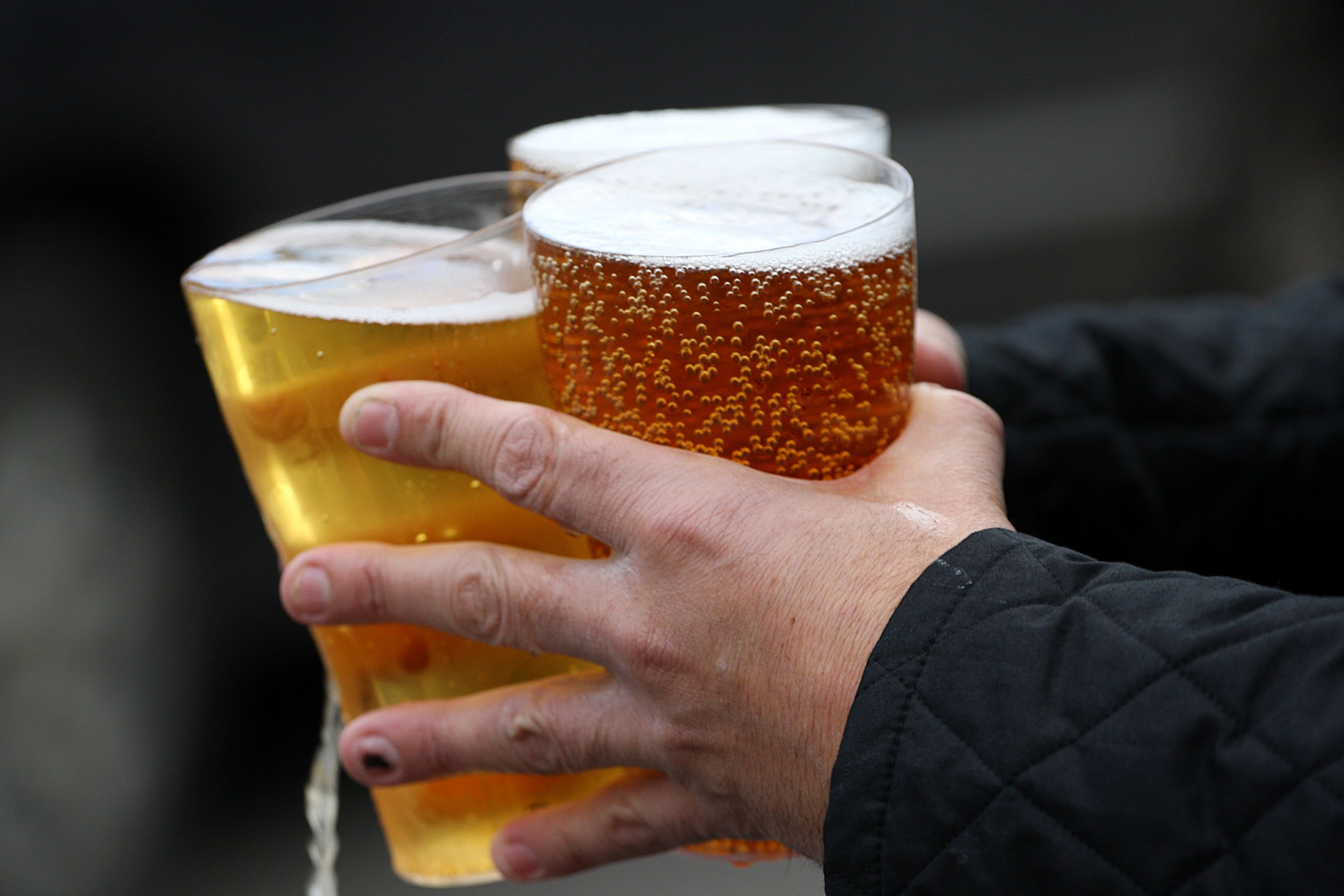
For the study published by Wiley online in CANCER, a peer-reviewed journal of the American Cancer Society, researchers used data from US adults enrolled in the National Cancer Institute (NCI) prostate, long, colorectal, and ovarian cancer screening trial who did not have cancer at the start of the study.
They found 1,679 colorectal cancer cases occurred among 88,092 participants over 20 years of follow-up.
When comparing the amount people drank and the consistency over their lifetime, researchers found heavy drinking throughout adulthood was linked to a 91 per cent higher risk of colorectal cancer compared with consistent light drinking.
However, there was no evidence of increased colorectal cancer risk in those who had gone sober. Former drinkers also had lower odds of developing noncancerous colorectal tumours, or adenomas which can become cancerous, than those who drank less than one drink a week.
There are 44,100 new cases of bowel cancer each year in the UK, which includes colon, rectum, small bowel and anus cancer. Bloating, changes to your stools and blood in stools are all warning signs of the disease.
The rise of colon cancer in young people is baffling scientists, with rates of the cancer since the early 1990s increasing by 74 per cent in under 24-year-olds and by 51 per cent in people between the ages of 25 and 49.
It is thought ultra-processed foods, alcohol consumption and a lack of exercise could be partly to blame for the rise.
Alcohol is known to damage cells and change hormones, which can both increase cancer risk, Cancer Research UK warns.
When alcohol is consumed, the body turns it into a chemical called acetaldehyde, which can stop cells from repairing damage in the body. It also increases levels of some hormones in our bodies, such as oestrogen and insulin - this can make cells divide more often and increase the chance of cancer developing.
Join our commenting forum
Join thought-provoking conversations, follow other Independent readers and see their replies
Comments
Bookmark popover
Removed from bookmarks