Boost for interest rates cut as fuel price drop helps inflation tumble to 3%
Economists predict inflation is now on track to drop to the government target of 2% in April, providing some relief for chancellor Rachel Reeves
UK inflation has fallen to the lowest level in nearly a year after a drop in airfares, petrol and food prices – paving the way for interest rates cuts as soon as next month.
Official figures show inflation tumbled to 3 per cent in January, with economists predicting it is now on track to drop to the government target – 2 per cent – by April.
The fall in the Consumer Price Index (CPI) shows a return to the gradual downward trend seen at the end of last year after a surprise rise in December to 3.4 per cent.
Along with rising unemployment and slowing wage growth data released this week, as well as a continually weak economy, it is expected that the fall could spur the Bank of England (BoE) to cut interest rates to 3.5 per cent when the Monetary Policy Committee convenes to vote on 19 March. An interest rate cut would be widely seen as a boost for homeowners.
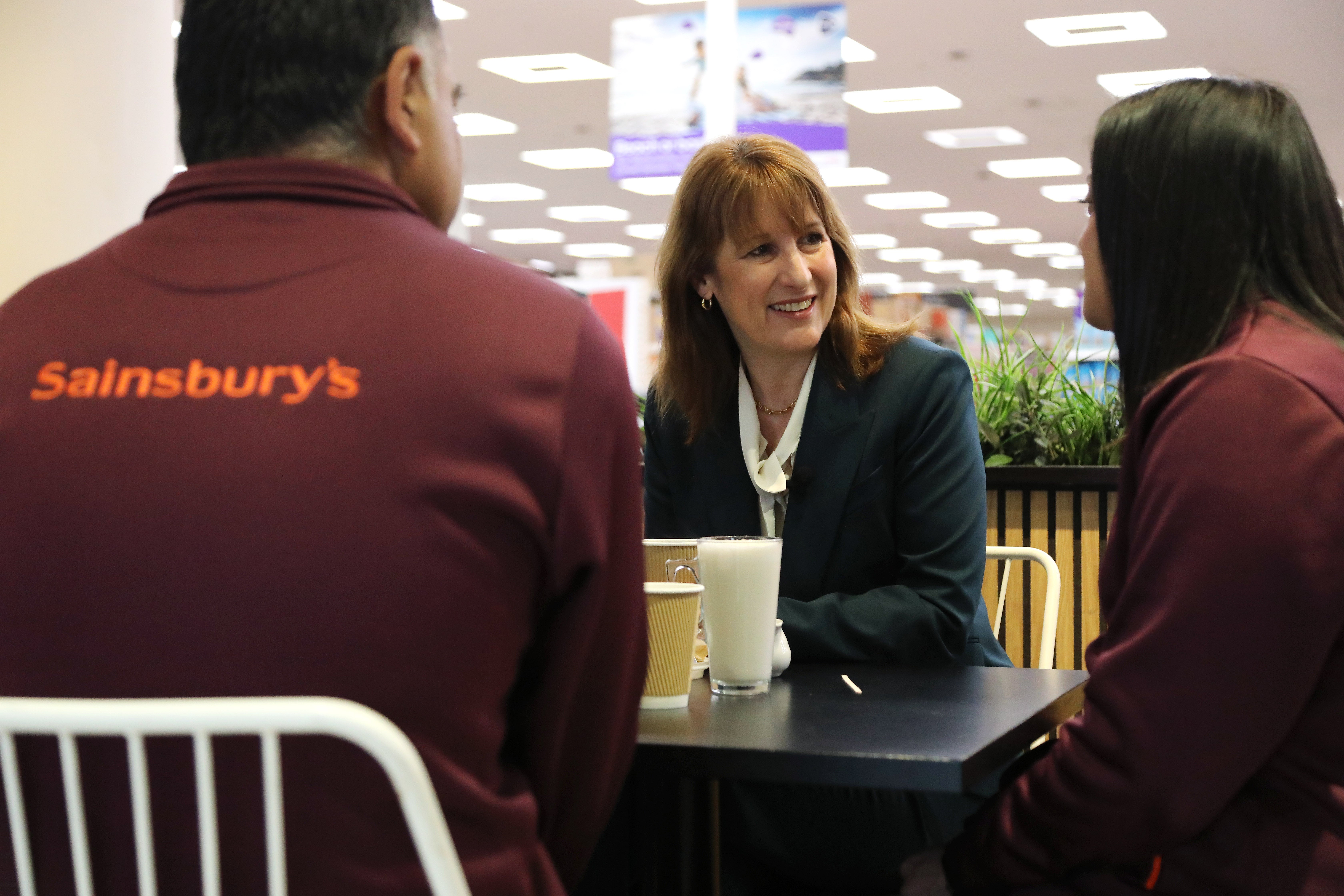
The slowdown – which means prices are not rising as rapidly as previously – will provide some relief for the chancellor, amid the Bank of England’s effort to bring inflation back to the target level.
Responding to the latest Office for National Statistics (ONS) data, Rachel Reeves said that “cutting the cost of living is my number one priority”.
“Thanks to the choices we made at the Budget, we are bringing inflation down, with £150 off energy bills, a freeze in rail fares for the first time in 30 years and prescription fees frozen again,” she added.
Inflation – which is the rate at which prices for goods and services rise across an economy over a period of time – hit a high of more than 11 per cent in October 2022.
It has returned to more manageable levels in the past year, but the pace has been slower than businesses and households would have liked, resulting in interest rates staying higher for longer.
Higher interest rates help to bring down inflation, while lower interest rates can help boost a stagnant economy.
Falling household bills and the reduction of the energy price cap in April are expected to contribute to bringing CPI inflation back to 2 per cent by spring. Food inflation is also expected to moderate, having been a big contributor to high inflation last year.
In January, clothing and footwear costs coming down contributed to the overall decline in inflation, as well as the cost of restaurants and hotels, transport and furniture. However, there were notable rises across alcohol and tobacco, education and health sectors.
The ONS notes that motor fuels had the biggest downward impact on month to month costs, with the average price of petrol falling by 3.1 pence per litre between December 2025 and January of this year.
Dr Liliana Danila, lead economist at the Food and Drink Federation, cautioned the government to act now to prevent big price spikes again.
“After many years of rising costs, businesses across the supply chain have had their margins eroded, leaving manufacturers particularly susceptible to the supply chain shocks caused by geopolitics or climate change,” said Dr Danila.
“To help stabilise food inflation in the long term and protect shoppers from future price spikes, government must incentivise investment in business resilience.”
The British Chambers of Commerce called for better investment in businesses to allow the economy to thrive – particularly in light of rising unemployment.
“CPI may be at its lowest level for nearly a year, but that headline figure is only part of the story. Inflation concerns among businesses persist,” said Stuart Morrison, BCC research manager. “Businesses are facing huge price pressures which are squeezing confidence, stalling investment and holding back recruitment.
“Firms are clear: easing inflation must be matched by action to cut the cost of doing business. That must include business rates reform, reducing energy costs and making it cheaper to export. Only then, will businesses be able to fully turbocharge economic growth.”
Meanwhile, Holly Mackay, founder of Boring Money, reminded savers to move their cash to the best rates now, especially if they wanted to lock in higher rates before a likely upcoming reduction.
“The direction of travel is down which means mortgages are likely to come down as we head into summer and those with cash savings accounts should really shop around now and consider locking in a fixed rate if possible,” she said.
For consumers, the focus now should turn to ensuring household finances are in order ahead of further interest rates cuts later this year, amid a concerning jobs market and a still-stagnant economy.
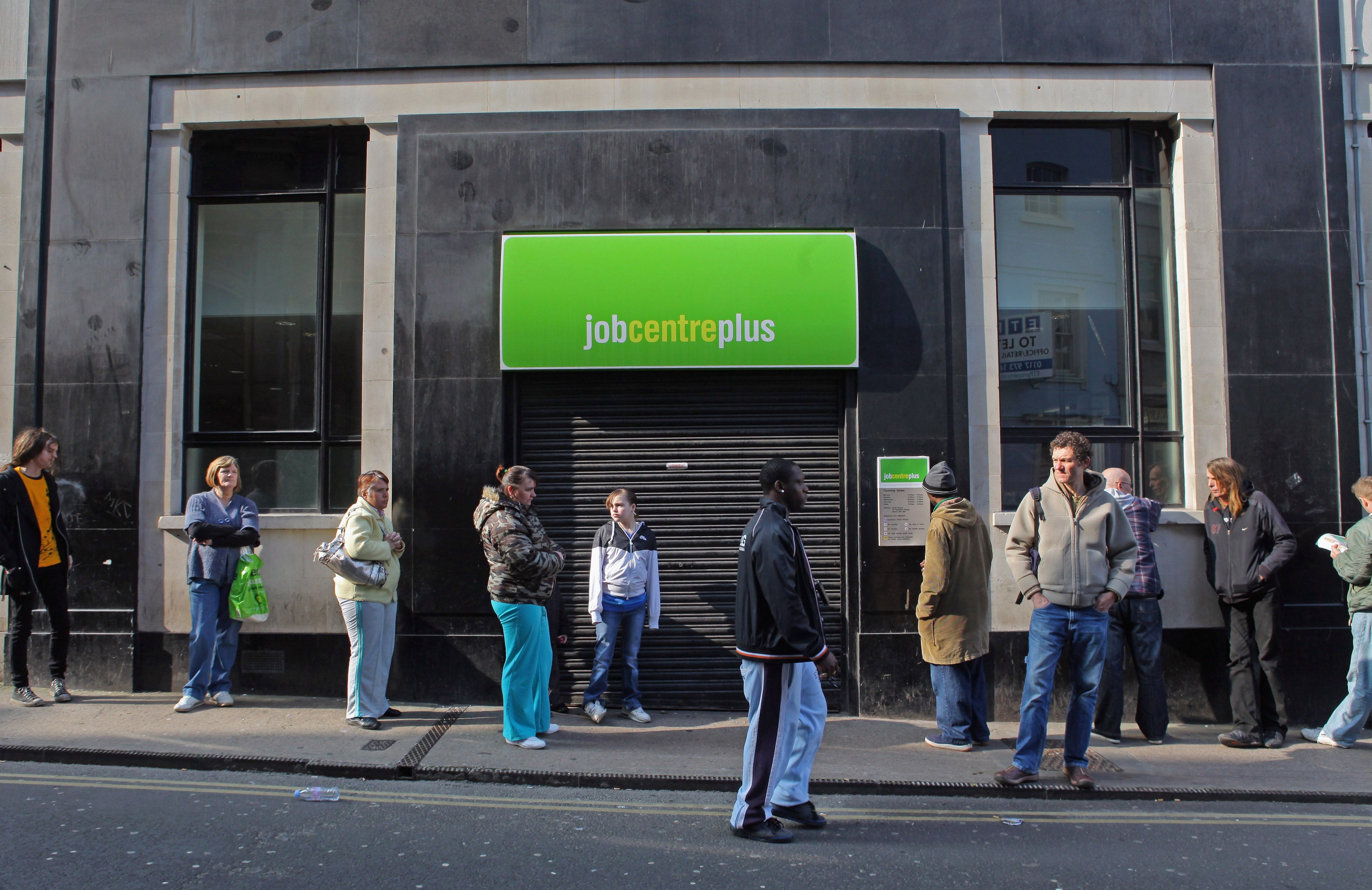
“Slower inflation also comes with less growth and a difficult jobs market. As employers seek to keep costs low we should all make sure we build a cash buffer – ideally at least three months’ income – to cushion us in the event of redundancy,” Ms Mackay added.
“Homeowners coming off fixed rate mortgages should shop around. Passively accepting your lender’s Standard Variable Rate which is offered at the end of a fixed term is almost always a bad idea so contacting an independent mortgage broker is a sensible move.”
Tamsin Powell, consumer finance expert at Creditspring, cautioned it was important to remember that slowing inflation does not mean lower prices – it means they are climbing at a lower rate than previously.
“For families who track every pound, even small slowdowns in food and energy price rises make a difference,” she said. “But it’s important to keep this in perspective. Prices aren’t falling back to where they were – they’re just rising more slowly.”
Join our commenting forum
Join thought-provoking conversations, follow other Independent readers and see their replies
Comments
Bookmark popover
Removed from bookmarks