FedEx to acquire parcel locker firm InPost in huge £6.8 billion deal
The group wants to expand its UK network from 14,000 lockers to 30,000

Parcel locker specialist InPost is set to be acquired by a consortium spearheaded by delivery giant FedEx and private equity firm Advent in a deal valued at €7.8bn (£6.8bn).
The acquisition aims to fuel InPost's ambitious expansion plans across the UK and wider Europe.
The consortium's offer of €15.60 (£13.59) per share represents a 17.3 per cent premium on InPost’s closing price in Amsterdam last Friday. This figure also stands 50 per cent higher than its share price in January, before the disclosure of an earlier, unnamed takeover approach.
Crucially, InPost will retain its brand identity and operate as a standalone entity, maintaining its headquarters in Poland. Founder and chief executive Rafal Brzoska will remain at the helm.
Before this agreement, Advent held a 6.5 per cent stake, A&R – Mr Brzoska’s private investment firm – owned 12.49 per cent, and PPF, the Czech Kellner family’s investment company, held 28.75 per cent.
Post-acquisition, Advent and FedEx will each command 37 per cent holdings, with A&R securing 16 per cent and PPF retaining the remaining 10 per cent.
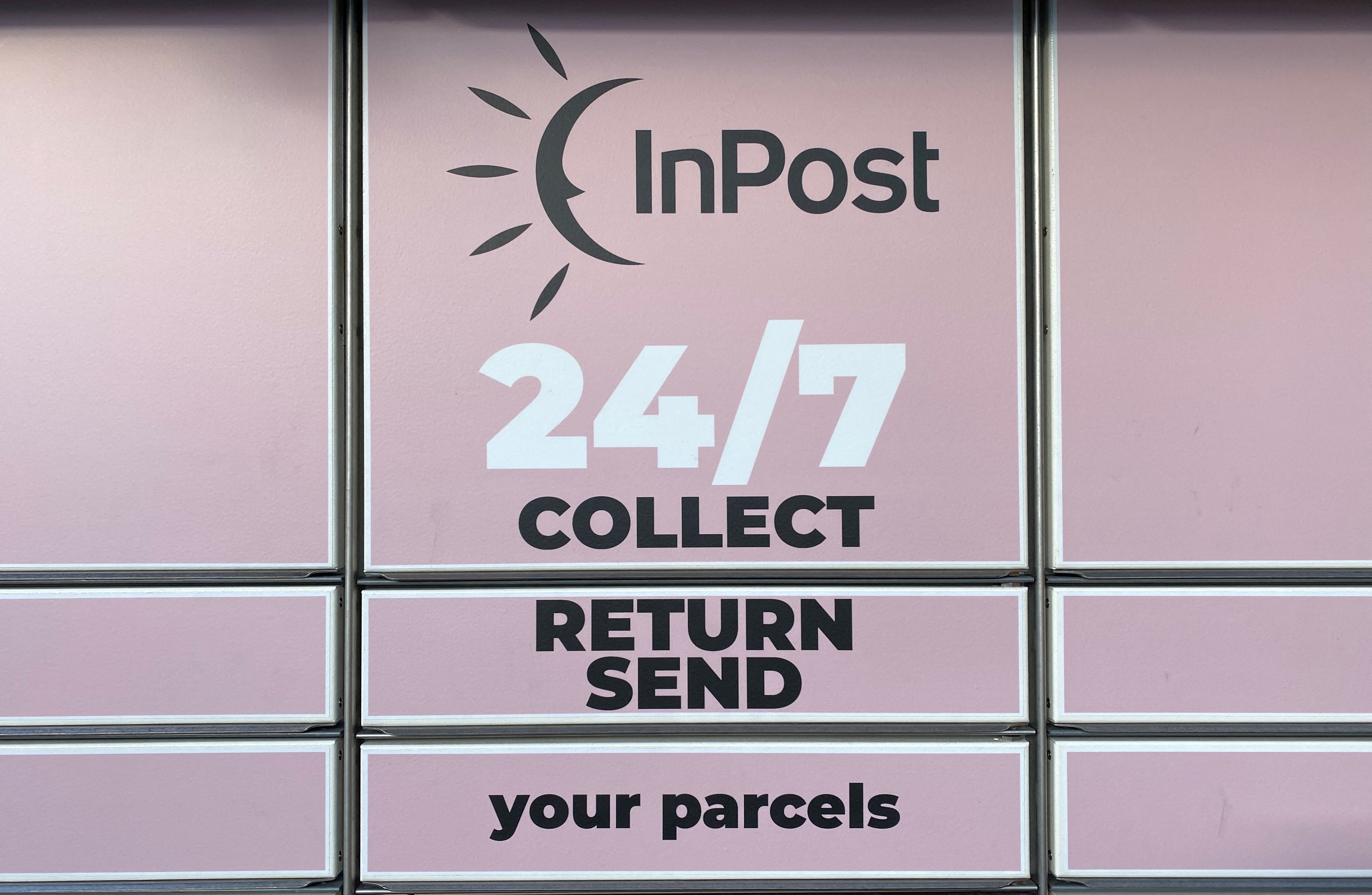
The deal, which is expected to complete in the second half of 2026, will see InPost expand in its existing markets in France, Spain, Portugal, Italy, Benelux and the UK, which is the largest e-commerce market in Europe.
In the UK, the group is looking to more than double the locker points to 30,000 from 14,000, while it also has 5,500 pick-up and drop-off points.
Hein Pretorius, chair of the supervisory board of InPost and the special committee, said: “We believe that the transaction provides a solid foundation for the future of InPost, with the consortium that has a long-term perspective on value creation and fully endorses the strategy.”
Mr Brzoska – who has not taken part in the boardroom talks due to his interest in the takeover – said: “Building on our success in Poland, this transaction will support our next phase of growth as we continue to grow across Europe.
“By partnering with the long-term financial and strategic investors of the consortium who know our business and the industry well, we benefit from the expertise, stability and resources needed to capitalise on the strong tailwinds including increasing e-commerce penetration, rising consumer demand for speed and convenience and the shift towards more sustainable delivery solutions.
“Together, we will strengthen our network and reach more consumers with enhanced fast and flexible delivery options as we continue our objective of redefining the European e-commerce sector.”
The firms said there were “no immediate costs identified” to be cut following the deal.
Founded in 1999 by Mr Brzoska, InPost has a network of over 61,000 lockers and more than 33,000 pick-up and drop-off points across nine European countries – Poland, the UK, France, Italy, Spain, Portugal, Belgium, the Netherlands and Luxembourg.
The group, which also offers courier and fulfilment services for online sellers, delivered 1.4 billion parcels in 2025.
It listed on the Amsterdam Euronext in 2021.
Raj Subramaniam, chief executive of FedEx, said: “We will be entering into agreements with InPost following completion of the transaction that will provide our customers access to InPost’s last-mile B2C (business-to-consumer) capabilities while bringing FedEx’s global network and logistics expertise to support InPost’s next phase of growth.”
The firms said the deal to take InPost private will allow the firm “to operate more efficiently” while also cutting out costs linked to being listed on the stock market, and “dependency on market expectations driven by short-term performance outlook and periodic reporting”.
Join our commenting forum
Join thought-provoking conversations, follow other Independent readers and see their replies
Comments
Bookmark popover
Removed from bookmarks