Declining royalties? Postponed weddings a bigger issue for most musicians as income dries up
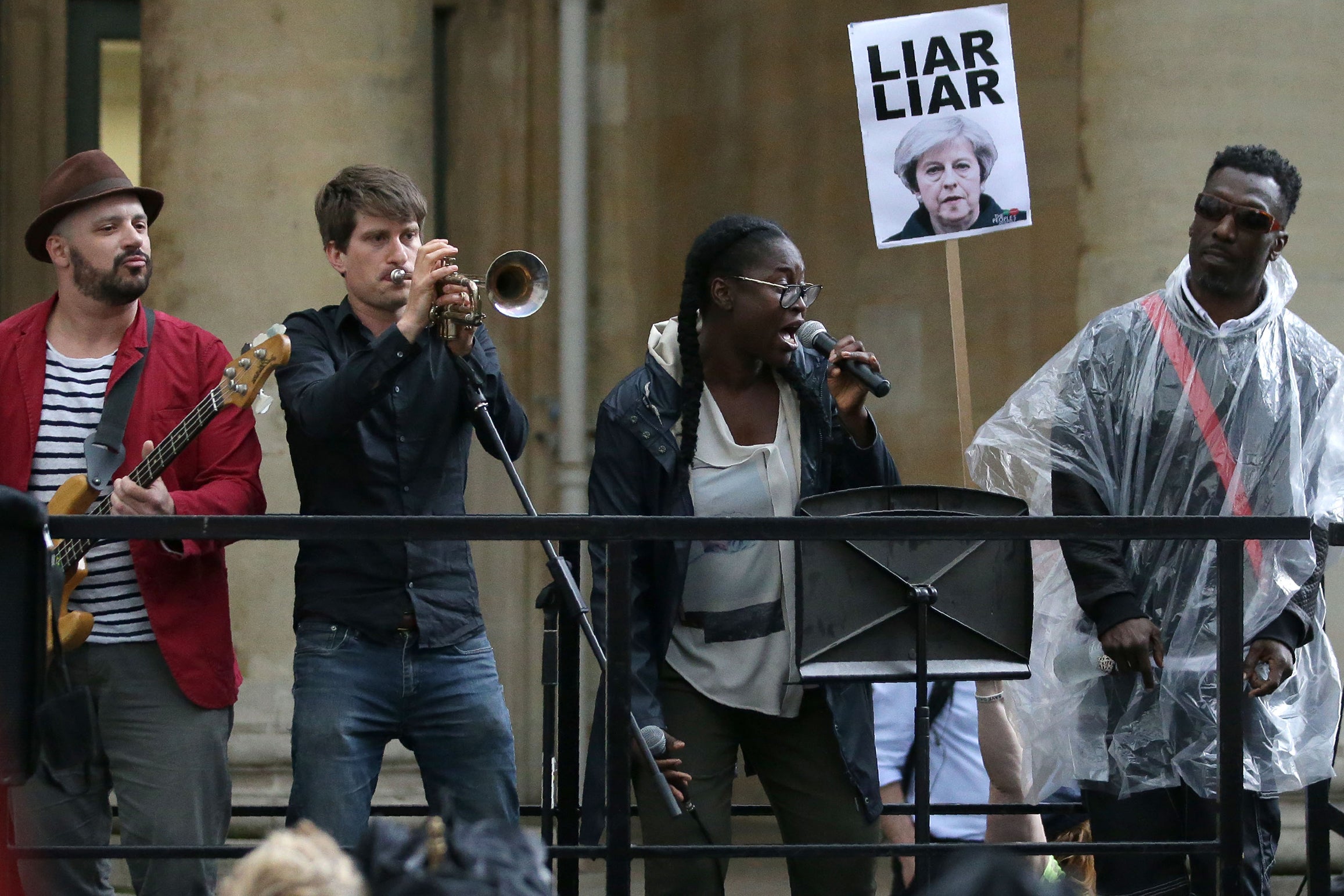
The legendary Captain Ska made just £20k from its top 10 hit ‘Liar Liar’. A regular supply of wedding receptions would provide more revenue. But then Covid-19 happened
You may have seen the recent figures from PRS for Music showing that songwriters received a record amount of money from royalties last year. The total came in at £811m.
But as with so many industries, there is a sharp divide between the haves and the have-nots, one that the emergence of Covid-19 has only served to widen.
The organisation said that cancellation of live events will have an impact on royalties. But what may surprise you is that it isn’t necessarily the shuttering of live venues that has hurt jobbing musicians not in the “star” category for whom royalties from streaming barely amount to tuppence ha’penny.
“A good wedding band, they might go for £4,000, £5,000, before Covid-19 happened,” says Jake Painter, the principle songwriter for Captain Ska. “When we were doing festivals we were getting maybe £1,500, although I was sometimes able to hustle a bit more because we were an eight-piece band.
“Playing smaller venues, with what I was offered I was sometimes only able to pay maybe £80 per band member and when you’ve got all your stuff to get around...”
You may recognise the name of Painter’s band through the top five hit Captain Ska had with “Liar Liar”, which was first released in 2010 when it was aimed at the coalition government led by David Cameron. There have since been updated versions taking justified shots at Theresa May, Boris Johnson and (of course) Donald Trump.
“The biggest return of ska to the charts since the 1990s,” said MTV of the band.
But Painter says the song only made about £20,000 – remember this was a top five single – in download revenues, most of which was donated to the People’s Assembly and food banks in keeping with the band’s political stance.
The hit nonetheless led to a flurry of interest, from labels and management companies, who told Painter he’d be best off sacking most of the band, using a computer generated backing track programme, and flogging as much merchandise as possible.
As a session musician himself, a jobbing trumpet player, he was having no truck with that. And so the band continued as a passion project, with Painter making most of his income through weddings, his own session work and giving lessons. Today it continues online.
Painter and the band still have a knack for making noise, for example, with the recent single “F**kBoris”. The latest, “Millions of People”, featuring singer Arieleno, is more meditative. It’s a salute to essential workers.
But those who look it up on YouTube will find the more strident, earlier tune, gets cued up.
The band is, of course, on streaming platforms too.
But the gruel from these is thin. Tom Gray, from Gomez, shared a chart on Twitter last week showing how many streams artists require to make £8.72, which is what an hour of minimum wage labour will get you in the UK. The figures ranged from 970 on Amazon Music to 1,938 on Deezer.
My family had to put up with multiple streamings of Sarah Curtis’ discordant electric violin on King of the Slums’ “Leery Bleeder” to net just 1p for a band whose critical acclaim near really translated into commercial success.
The numbers shared by Gray clearly demonstrate just how hard it is for smaller artists to generate much in the way of income from streaming.
Painter says he’s fortunate. His partner has a good job at a university in Berlin, where he is now based. The same is not true of all musicians, a profession made up of freelancers, for whom support from the government has been patchy.
There are funds out there offering emergency assistance. But they’ve been inundated.
UK Music has called for the creation of a taskforce to revive an industry, whose contribution goes beyond economic earnings and exports, although they are substantial in themselves.
It provides a billboard for brand Britain, and gives joy to millions.
Sadly, the country doesn’t have the sort of government you would expect to be overly concerned about the latter.
It’s probably going to be down to the industry’s Premier League to help. Its members should do so.
Join our commenting forum
Join thought-provoking conversations, follow other Independent readers and see their replies
Comments
Bookmark popover
Removed from bookmarks