Pound falls as Jeremy Hunt announces tax rising Autumn Budget
The pound fell 0.9 per cent as the chancellor delivered the long-awaited Autumn Statement
The pound fell against the dollar after Jeremy Hunt announced the long-awaited Autumn Budget.
The chancellor on Thursday revealed fiscal plans laden with tax hikes and spending cuts in a bid to create a “stronger, fairer United Kingdom.”
After tax cuts and spending freezes were announced, the pound fell 0.9 per cent to $1.1811.
The change comes as prime minister Rishi Sunak and Mr Hunt push to return calm to the markets after Liz Truss and Kwasi Kwarteng’s September mini-Budget plunged the pound to its lowest-ever level against the dollar in history as well as spooking the markets forcing the Bank of England to intervene.
Mr Hunt said he was delivering a “balanced path to stability” which involves “taking difficult decisions”.


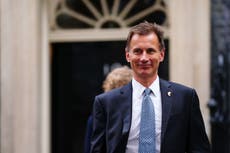
On personal taxes, Mr Hunt said he would reduce the threshold at which the 45p rate becomes payable from £150,000 to £125,140.
He said: “Those earning £150,000 or more will pay just over £1,200 more a year.”
Mr Hunt continued: “We are also taking difficult decisions on tax-free allowances. I am maintaining at current levels the income tax personal allowance, higher rate threshold, main national insurance thresholds and the inheritance tax thresholds for a further two years taking us to April 2028. Even after that, we will still have the most generous set of tax-free allowances of any G7 country.”
Mr Hunt said his decisions lead to a “substantial tax increase” but said he was not raising headline rates of taxation, adding tax as a percentage of GDP will increase by 1 per cent over the next five years.
On public finances, he said: “We are going to grow public spending, but we're going to grow it slower than the economy.
“For the remaining two years of this Spending Review, we will protect the increases in departmental budgets we have already set out in cash terms. And we will then grow resource spending at 1 per cent a year in real terms in the three years that follow.”
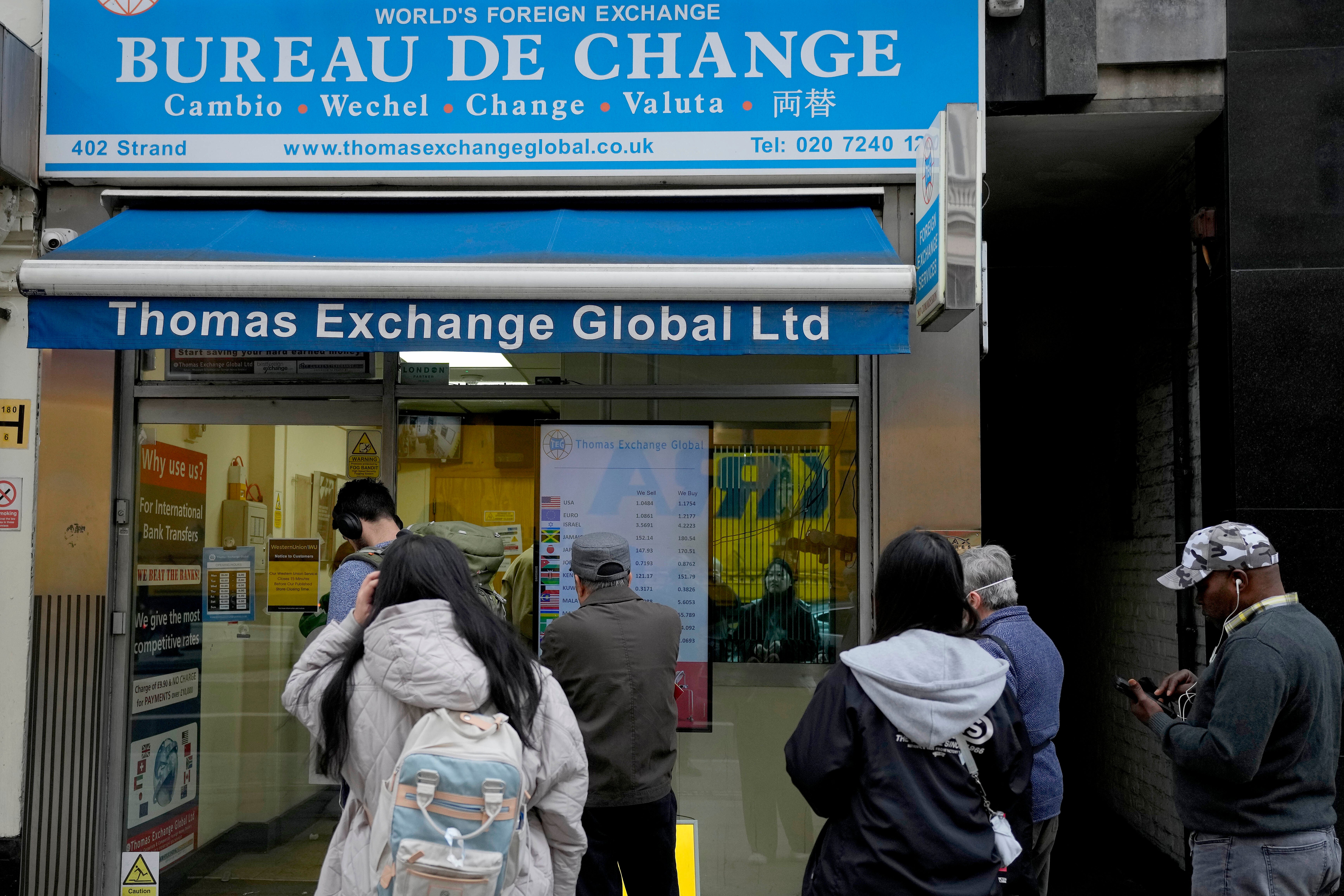
Mr Hunt told MPs he was taking “difficult decisions” to curb inflation.
“High inflation is the enemy of stability. It means higher mortgage rates, more expensive food and fuel bills, businesses failing and unemployment rising,” he said.
“It erodes savings, causes industrial unrest and cuts funding for public services. It hurts the poorest the most and eats away at the trust upon which a strong society is built.”
Mr Hunt was setting out a package of around £30 billion of spending cuts and £24 billion in tax rises over the next five years.
Shadow chancellor Rachel Reeves said “the mess we are in is the result of 12 weeks of Conservative chaos but also 12 years of Conservative economic failure”.
Frances O’Grady, general secretary of the Trades Union Congress (TUC), warned against the dangers of austerity in the budget.
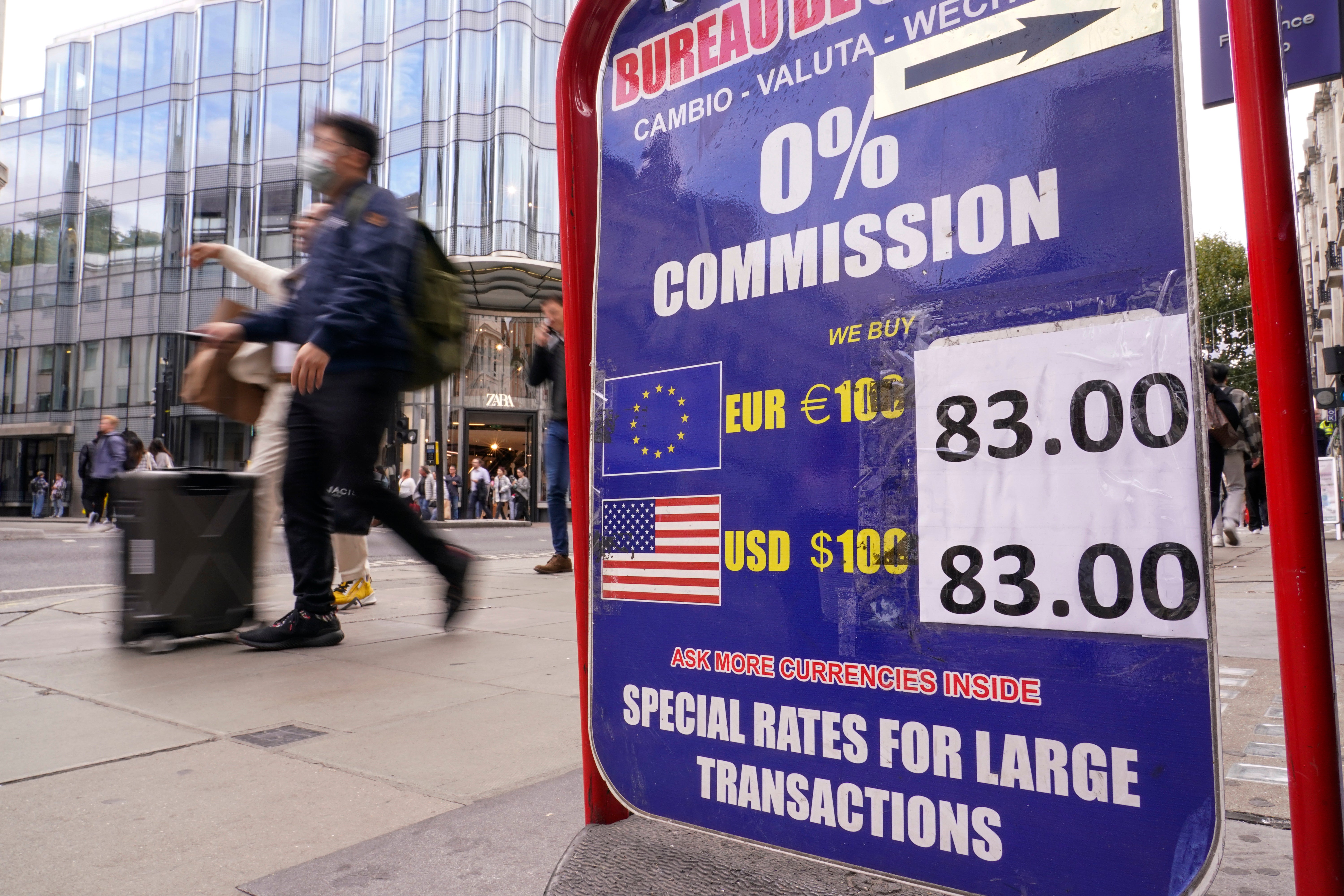
Speaking on BBC Radio 4’s Today programme, she said that tough spending cuts are “never easy for working people”.
Ms O’Grady said that George Osborne’s austerity plan had “failed”, amid expectations that Jeremy Hunt will preside over similarly painful cuts.
“We have been suffering weak growth as a country ever since, because it was killing the golden goose.
“If you are starving the NHS, our education and skills system, of funding that has an impact on the economy because we need a healthy workforce, we need educated, skilled and trained workers.
“Now we really need big investment in green infrastructure and our public services, if we’re going to grow.”
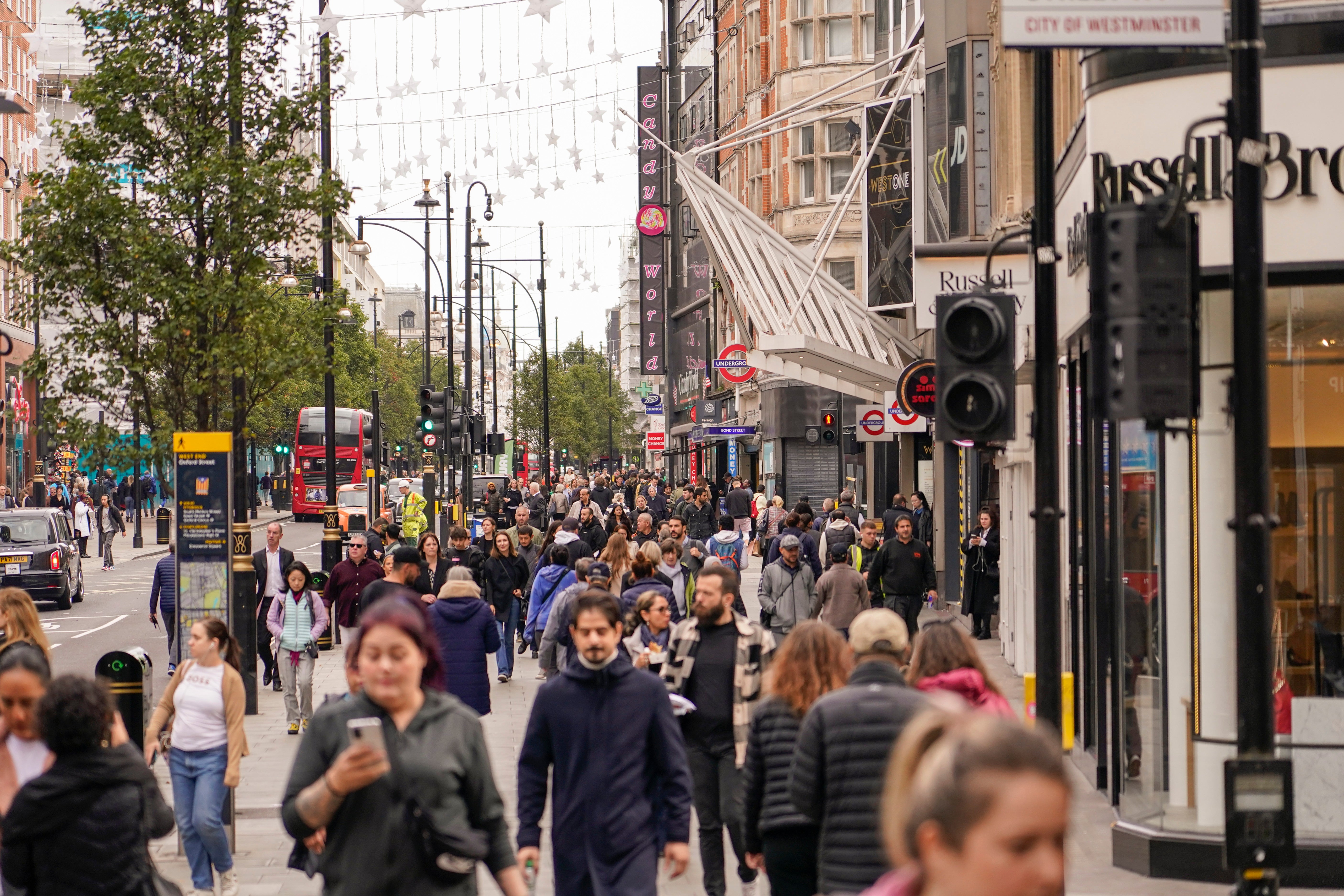
The decreasing pound value comes as inflation has reached a 41-year-high of 11.1 per cent.
Food prices had their biggest leap upwards since 1977, while surging gas and electricity bills continued to drive the overall rise, the Office for National Statistics (ONS) said as it published the latest data.
The Bank of England criticised the disastrous mini-Budget and a failure to spark economic growth since the Covid pandemic.
Pointing to Kwasi Kwarteng’s vast unfunded tax cuts, governor Mr Bailey said on Wednesday that he was told “we didn’t think the UK would do this” at the autumn gathering of the International Monetary Fund.
“It will take longer to rebuild that reputation than it will to correct the gilt curve [government borrowing costs]. We have to tread carefully,” he warned the Commons Treasury committee.
Mr Bailey also highlighted a “dramatic” contrast between the UK’s dismal recovery from the pandemic and growth in the eurozone and the US, which has left the UK economy still smaller than at the end of 2019.
Join our commenting forum
Join thought-provoking conversations, follow other Independent readers and see their replies
Comments
Bookmark popover
Removed from bookmarks