UK house prices increased in January after December dip, new data reveals
House prices increased in January after a fall in prices at the end of 2025
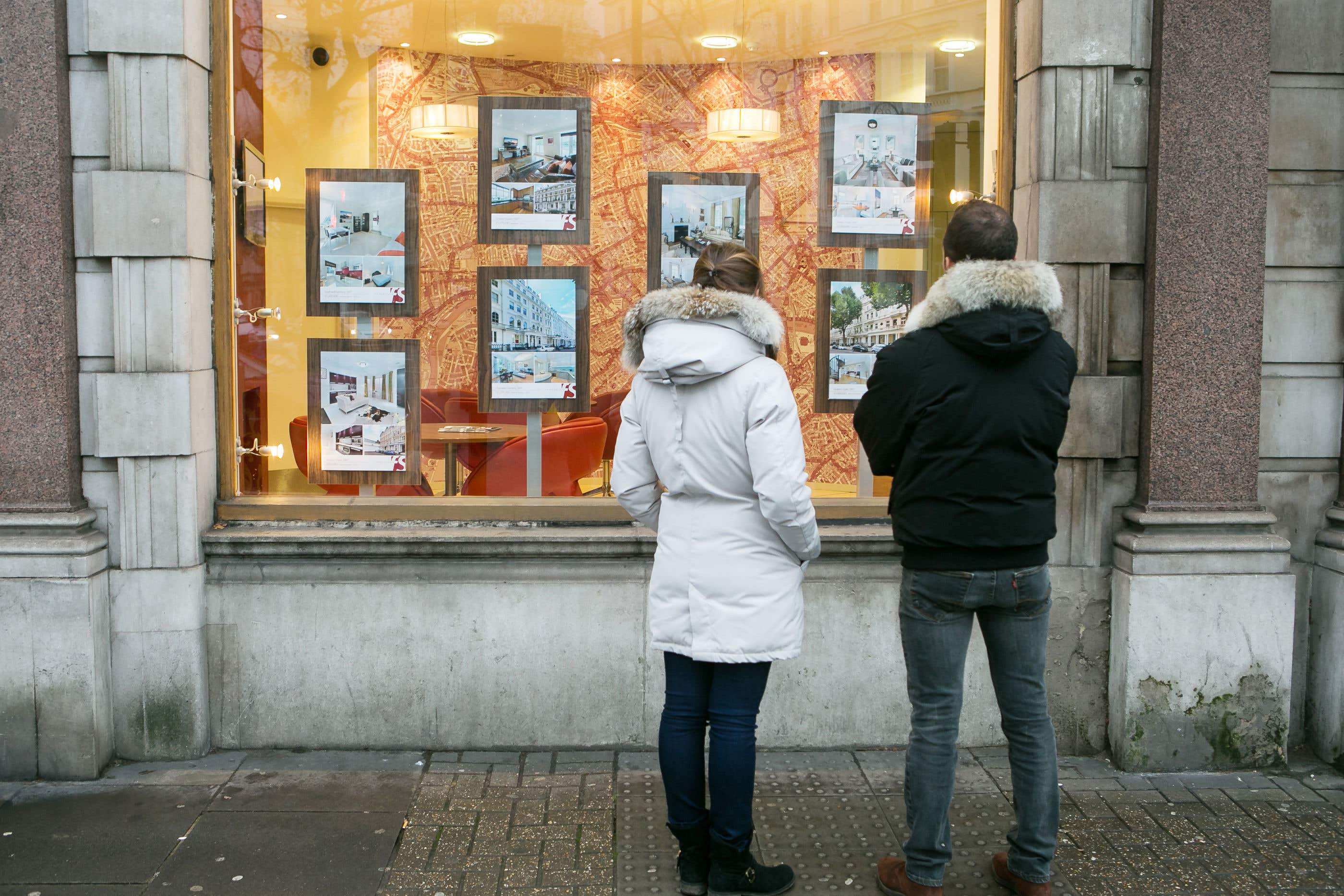
UK house prices saw a modest increase in January, reversing a dip recorded in December, according to new data from Nationwide Building Society.
The average cost of a home rose by 0.3 per cent month-on-month, with annual property values climbing by 1.0 per cent to reach £270,873.
This uptick follows a 0.4 per cent fall in December, signalling a potential shift in market momentum for the months ahead.
Robert Gardner, Nationwide’s chief economist, noted the slight acceleration in annual house price growth, which had slowed to 0.6 per cent in December.
Mr Gardner explained that housing market activity experienced a downturn at the close of 2025, likely influenced by uncertainty surrounding potential property tax changes ahead of the Budget.
Despite this, the number of mortgage approvals for house purchases remained close to pre-pandemic levels.

He anticipates a recovery in market activity over the coming quarters, particularly if the improving affordability trend observed last year continues.
Affordability constraints have eased over the past year, Mr Gardner added, attributing this to earnings growth outstripping house price increases and a steady decline in mortgage rates.
This has bolstered buyer demand, with first-time buyer activity steadily increasing as a proportion of overall house purchases.
A prospective buyer earning an average UK income and purchasing a typical first-time buyer property with a 20 per cent deposit would now face a monthly mortgage payment equivalent to 32 per cent of their take-home pay.
This figure, while slightly above the long-term average of 30 per cent, is significantly lower than the recent high of 38 per cent recorded in 2023.
However, regional disparities persist. Northern Ireland has experienced a deterioration in affordability over the past year due to robust house price growth.
In contrast, affordability pressures remain pronounced in the South of England, while in the North, Yorkshire and the Humber, and Scotland, mortgage payments as a share of take-home pay are slightly below their long-run average.
These regional variations, Mr Gardner highlighted, have led to "some stark differences emerging between those who would like to buy and those that can do so."
Industry experts largely echoed a sense of cautious optimism. Alice Haine, a personal finance analyst at Bestinvest by Evelyn Partners, suggested that "the combination of falling interest rates, moderating inflation – albeit with a few bumps along the way – and stronger real wage growth should help underpin housing market confidence."
She cautioned that a Bank of England rate cut delivered in December is unlikely to be repeated soon.

Iain McKenzie, chief executive of the Guild of Property Professionals, observed that the "modest rise reflects renewed buyer confidence and a sense that the market is regaining momentum" after a hesitant end to 2025.
He noted a rebound in demand at the start of the year, encouraged by easing mortgage rates and a more predictable economic backdrop.
Amy Reynolds, head of sales at London-based estate agency Antony Roberts, described the current situation as "not a runaway market, it is a far healthier one than a year ago."
Jason Tebb, president of OnTheMarket, confirmed that many lenders reduced mortgage rates in January, leading to a better start to the year for agents. Nicky Stevenson, managing director at Fine & Country, expects this momentum to "carry through into spring."
However, Tom Bill, head of UK residential research at Knight Frank, offered a more tempered outlook.
He warned that the "chances of two rate cuts this year have faded in recent weeks for reasons that include stronger-than-expected UK economic data, which underlines how prices and transaction levels will remain under pressure."
He added that an "absence of political drama over the next few months would help confidence grow, but that might be wishful thinking."
Bookmark popover
Removed from bookmarks