Scams are impersonating government aid - here’s how to spot the fakes
Official communications will never try to rush you into taking action - language around that should be a big red flag
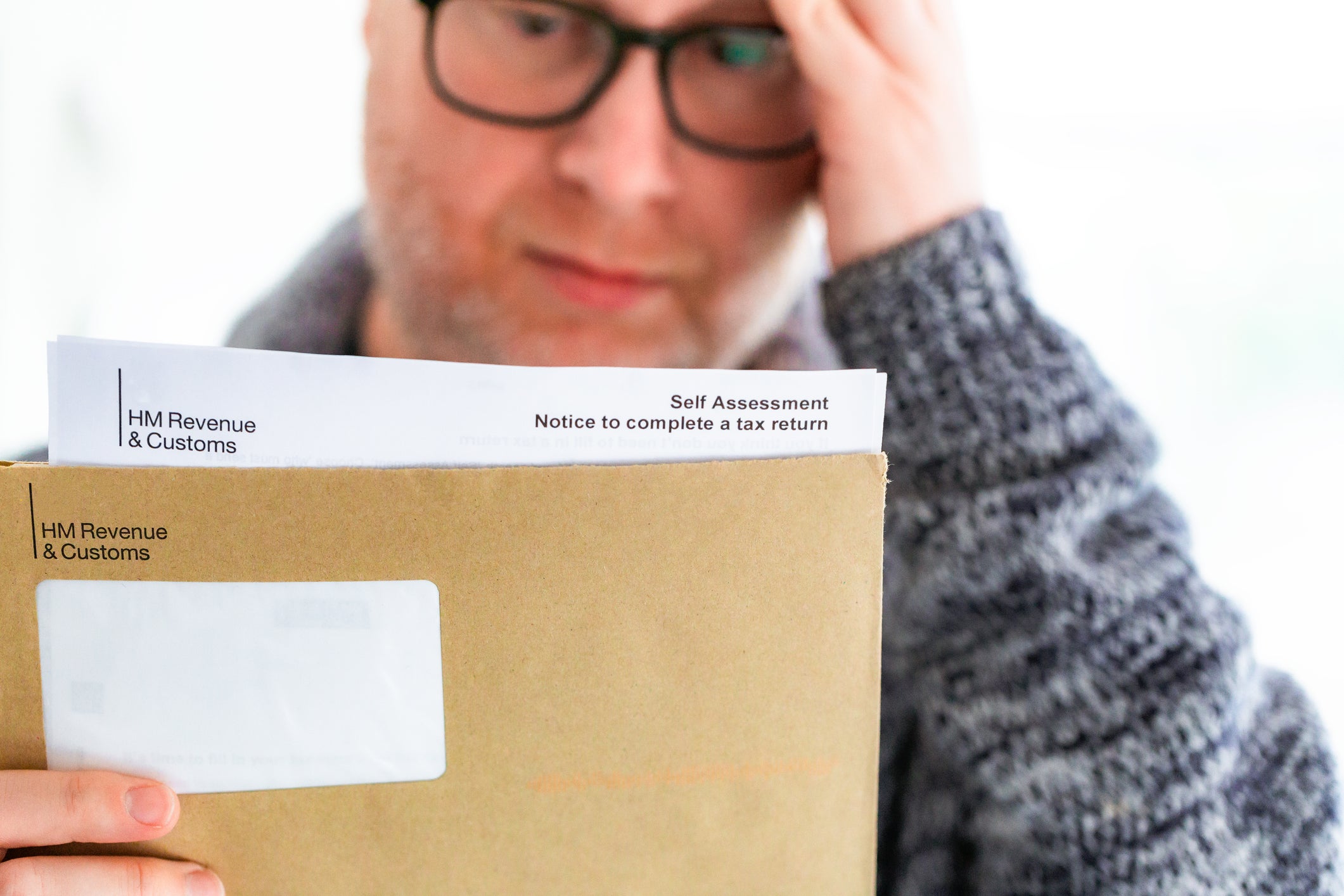
From energy bill discounts to payment holidays and debt support schemes, messages about financial help have become part of everyday life.
Emails, texts and letters offering official assistance now land on millions of phones and doormats every week.
But the surge in legitimate communications has created a dangerous opportunity for criminals.
Increasingly, scammers are disguising themselves as trusted institutions - from banks and regulators to government departments - to trick people into handing over money or personal details.
In a cost-of-living crisis, where many households are actively searching for help, these scams are becoming harder than ever to spot.
Scammers are copying official language
Fraudsters have learned that credibility is everything. Rather than relying on crude messages, many now closely mimic the tone, branding and wording of genuine organisations, making fake messages look reassuringly familiar.
“Scams can be sophisticated and hard to spot,” said an FCA spokesperson. “Our recent warning about fake FCA communications highlighted just how convincing these approaches have become, with fraudsters lifting wording, logos and formatting directly from genuine FCA updates.
“Criminals know that when people are under financial pressure, they may be more likely to respond quickly to something that looks authoritative - and scammers exploit that trust.”
When money is tight, an unexpected message offering support or warning of a problem can feel plausible - even welcome - rather than suspicious.
Cost-of-living pressures make scams harder to spot
Scammers are adept at timing their approaches. They often exploit current events such as tax deadlines, benefit payments or energy support schemes, making messages feel relevant and urgent.
The language is designed to trigger emotion, such as panic about losing access to funds, fear of penalties, or hope of financial relief. Urgency is a common tactic, with instructions to act “immediately” or within a short time window.

Criminals are also increasingly targeting access to digital accounts rather than just bank details.
Jonathon Ellison, director for national resilience at the National Cyber Security Centre (NCSC), said: “As our reliance on digital devices grows, opportunistic cyber criminals will increasingly look to take advantage, targeting the public with scams designed to steal access to important online accounts.
“If something doesn’t feel right online, trust your instincts and stop. Taking a moment to pause can make all the difference and by reporting suspicious messages you can help protect others from harm.”
AI is raising the stakes
The next wave of scams is expected to be even harder to detect. Artificial intelligence is allowing criminals to generate highly polished messages that closely resemble official communications, reducing obvious red flags.
Businesses, as well as individual people, have been caught out.
An FCA spokesperson said: “We expect impersonation scams to become even more sophisticated in 2026. The growing use of AI means fraudsters can now generate highly polished emails, texts and even phone scripts that closely mimic the language of regulators, banks, and government bodies.
“That makes it even harder for consumers to know whether a communication is genuine. As these techniques evolve, the most important defence is verifying who you’re dealing with before you act.”
The warning signs to look for
Despite their sophistication, most scams still share common features. Messages often claim authority, reference current events, trigger strong emotions, or pressure recipients with urgent deadlines.

Consumer site Which? says slowing down is one of the most effective ways to protect yourself. Reena Sewraz, Which? money expert, said: “Scammers will use a wide range of methods to try to catch out their victims, and the rise of artificial intelligence will make it harder to detect what's real and what's not. But there are some tell-tale signs of fraud attempts that consumers should be wary of.
“First, fraudsters will often try to create a sense of urgency. It's important to remember that no bank or legitimate business will ever try to rush you into making financial decisions.”
She added that consumers should independently verify any contact by using official phone numbers, not those provided in the message.
How to check what’s real - and what isn’t
Verification is the strongest defence. The FCA urges people to use its Firm Checker before engaging with any financial service.
An FCA spokesperson said: “Whether you’re considering an investment, pension opportunity, loan or other financial service, use FCA Firm Checker to check their firm is authorised and help avoid scams. You should use it to check the contact details match what you've been given. If they don’t, it’s a major red flag.
“If you’re contacted by someone claiming to be from the FCA, take a moment before you respond and remember, we’d never ask for money or sensitive bank details.”
As official help becomes more visible, so too will criminals pretending to offer it. Knowing when to pause, verify and check could be the difference between genuine support - and an expensive mistake.
When investing, your capital is at risk and you may get back less than invested. Past performance doesn’t guarantee future results.
Join our commenting forum
Join thought-provoking conversations, follow other Independent readers and see their replies
Comments
Bookmark popover
Removed from bookmarks