How much cash should you really keep in your investing ISA or SIPP?
Providers vary wildly in how they treat cash held in investing portfolios - make sure you know how yours works
With markets swinging between rallies and setbacks - and savings rates still looking relatively attractive - many investors are holding more cash than they used to.
But this isn’t about money in a high-street savings account.
It’s about the cash sitting inside your ISA, personal pension (SIPP) or general investment account - money that hasn’t yet been invested and may have built up after selling funds, receiving dividends or waiting for a “better time” to invest.
In most DIY investment accounts, how much cash you hold is entirely your decision.
And holding too much, for too long, can quietly reduce the growth your money could otherwise achieve.
When cash makes sense
Cash has a clear role in any financial plan. “Keep enough cash for emergencies - three to six months is recommended,” says James Norton, head of retirement and investments at Vanguard. “If you have a short-term goal, for example if you’re about to buy a house and you need absolute certainty, cash makes sense.” That cash shouldn’t be in your investment account of course - easy access is key here.
Timescale is crucial too. “Where money is likely to be used within the next three years, or forms part of a rainy-day reserve, holding cash in a competitive interest-bearing account is sensible,” adds Matt Lewis, chartered financial planner at EQ Investors.
But beyond short-term needs, cash inside a long-term investment portfolio should generally be modest. “Provided funds are invested with a medium or long-term objective, cash held within an investment portfolio can reasonably be low, often around the two per cent mark,” Lewis says.
Instead, he suggests keeping an appropriate personal cash reserve outside your investment account to provide the “sleep-at-night factor” that allows the rest of your money to stay invested and focused on longer-term growth.
The cost of sitting on cash
Holding some cash for flexibility is sensible, but holding large amounts for years can be costly. “Cash saving has historically generated lower returns than investing and often struggles to keep pace with inflation,” Norton says.
.jpeg)
“If you invested £10,000 in global stocks 20 years ago you would have a portfolio worth £82,500 today, accounting for inflation. Whereas if you had left that £10,000 in cash, inflation would have worn that pot down to being worth just £4,100.”
Lewis warns that the impact becomes noticeable once cash goes beyond what you genuinely need for security.
“Cash begins to create a drag on returns once it exceeds an investor’s required safety buffer,” he says, adding that leaving money uninvested for long periods can mean missing out on potential growth compared with staying fully invested.
Timing the market is risky
With markets periodically hitting record highs, it’s natural to hesitate.
“You may feel uneasy investing when markets are rallying or at all-time highs. But history shows markets usually go on to reach new highs,” Norton says.
Trying to jump in and out of cash based on headlines rarely works. “Stay invested over the long term and don’t try to time when to move in and out of cash,” he adds.
For goals more than five years away, Lewis says investors are usually better off letting their investments grow over time, rather than holding large cash balances that can limit overall returns.
Not all platforms treat cash equally
One wrinkle many investors overlook is how their platform handles uninvested cash.
Some investment platforms - including AJ Bell, Freetrade, Hargreaves Lansdown, Lightyear, Trading 212, Vanguard and XTB - pay interest on cash balances held within ISAs and SIPPs.
However, policies vary. Some providers pass on most of the interest they receive from partner banks; others keep a portion. Rates may be tiered, capped or require investors to switch on a specific feature. By contrast, some platforms pay little or no interest at all on default cash balances.
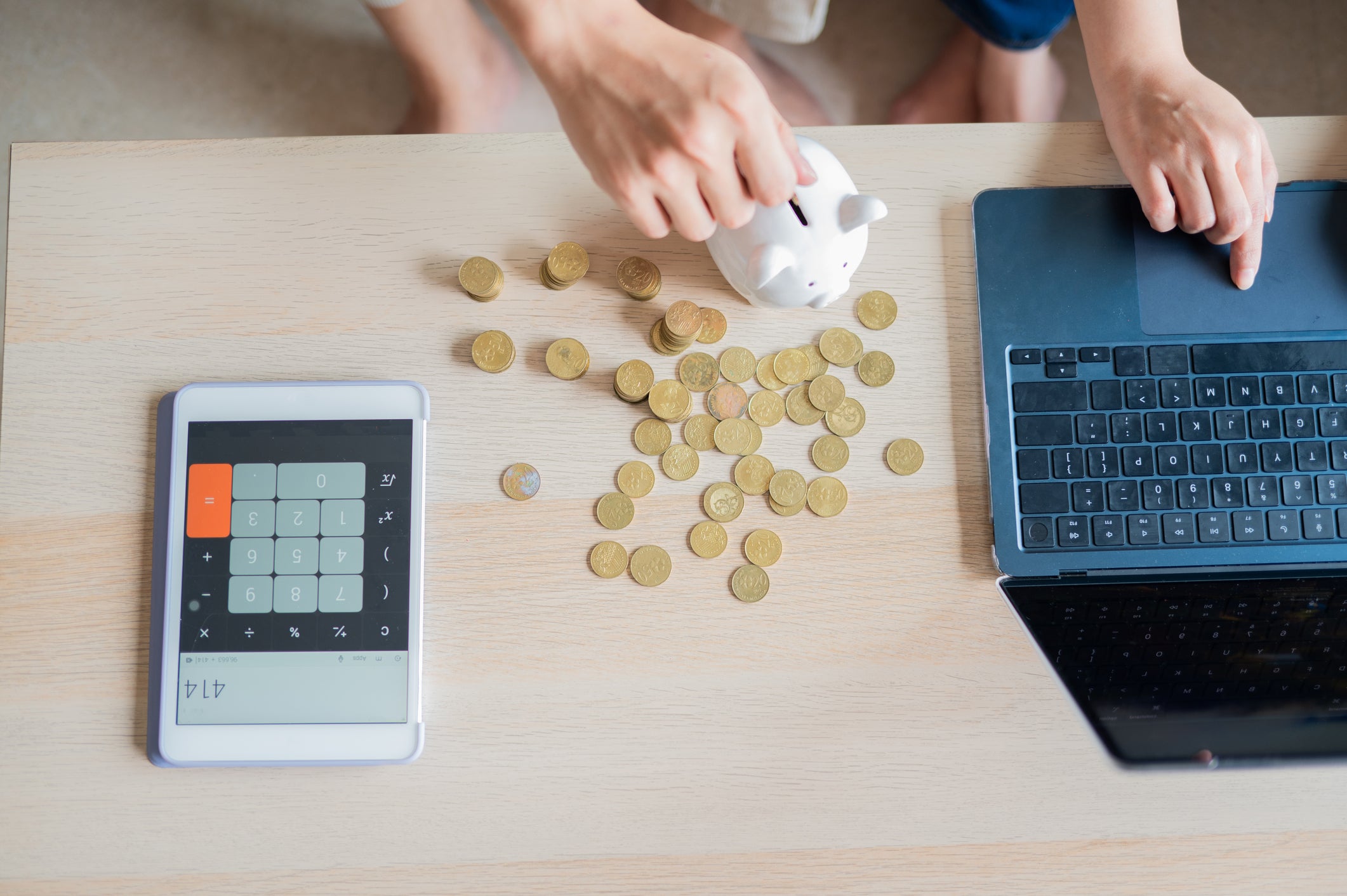
“First confirm whether your platform pays interest on uninvested cash, and at what rate and under what conditions,” Lewis says. “Charges and taxation can materially reduce the effective return received.”
On five-figure balances, the difference can amount to hundreds of pounds a year.
What about tax?
Interest earned within ISAs and SIPPs is tax-free.
But cash held in a taxable general investment account counts towards your personal savings allowance - £1,000 for basic-rate taxpayers and £500 for higher-rate taxpayers - above which interest becomes taxable.
“Interest earned on cash is taxed as income,” Lewis says, and it counts towards the total interest you earn across all your savings accounts.
All this makes deciding the “right” amount of cash specific to your situation and goals.
For long-term investors with stable income, only a small working balance may be necessary. Those closer to retirement, or planning to draw money soon, may sensibly hold more.
Cash can steady a portfolio. But left unchecked, it can also slow it down. The key is making sure it is there for a clear purpose - not simply because markets feel uncomfortable.
When investing, your capital is at risk and you may get back less than invested. Past performance doesn’t guarantee future results.
Join our commenting forum
Join thought-provoking conversations, follow other Independent readers and see their replies
Comments
Bookmark popover
Removed from bookmarks