How giving to charity impacts your inheritance tax bill - and can even benefit your loved ones
IHT rules are constantly changing with pensions soon to come into the mix too
With inheritance tax (IHT) thresholds frozen until at least 2028, more families are discovering that estate planning is no longer just a concern for the ultra-wealthy.
Rising house prices and long-term asset growth mean that estates which once fell comfortably below the tax threshold are now drifting into IHT territory - and pensions are due to follow.
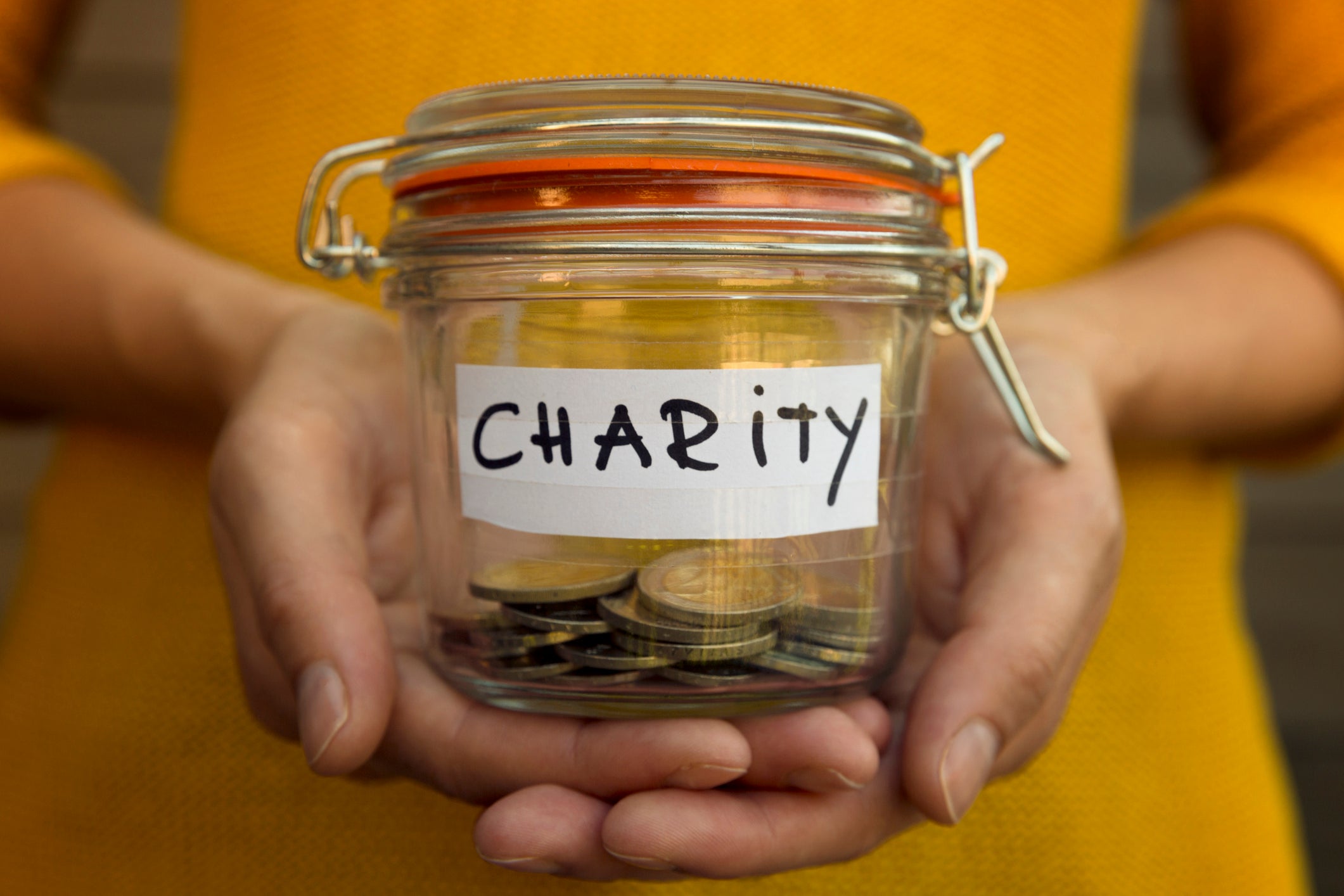
All that has sharpened interest in one particular option: charitable giving through a will.
Leaving money to charity can be a powerful way to support causes you care about, but it also has a tangible impact on how much tax your estate pays, and how much your beneficiaries ultimately receive.
The reality, however, is more nuanced than the headline savings might suggest.
How charitable giving affects inheritance tax
Under current rules, inheritance tax is charged at 40 per cent on the value of an estate above the available allowances - most commonly the £325,000 nil-rate band, plus the residence nil-rate band if a main home is passed to direct descendants.
Charitable gifts sit outside of this system entirely.
Any money left to a registered charity is exempt from inheritance tax, reducing the taxable value of the estate pound for pound.
But there is an additional incentive that can make a significant difference. If at least 10 per cent of the net estate is left to charity, the IHT rate on the remaining taxable estate falls from 40 per cent to 36 per cent.
“Charitable giving not only supports worthy causes, it can also deliver valuable tax benefits,” says Ben Faulkner, marketing director at EQ Investors. “Bequests to registered charities are exempt from inheritance tax, and if charitable gifts reach at least 10 per cent of the net estate, the rate applied to the rest of the estate drops to 36 per cent.”
For larger estates, this can result in a meaningful saving - sometimes even leaving family beneficiaries better off even after factoring in the charitable gift.
Who benefits most from the reduced rate?
The reduced 36 per cent rate is particularly effective for estates that exceed the standard IHT thresholds by a wide margin.
“This strategy tends to work best for larger estates, especially those comfortably above the £325,000 nil-rate band and any applicable residence nil-rate band,” Faulkner says.
In practice, this means homeowners in the South East and London - or those with significant investment portfolios elsewhere - are often best placed to benefit.

For smaller estates hovering just above the threshold, the mathematics may be less compelling, and the charitable gift may reduce inheritances more directly.
It is also worth remembering that charitable legacies work alongside other estate planning tools, rather than replacing them.
“Regular gifting during your lifetime shouldn’t be overlooked,” Faulkner adds. “It can support loved ones or charities while also helping to manage your estate in a tax-efficient way.”
What charities gain from legacy giving
From the charity’s perspective, legacies are becoming increasingly important. Many organisations now rely heavily on gifts left in wills as a stable source of long-term funding.
“The charity receives a substantial, tax-free legacy that can significantly boost its finances,” says Faulkner. “For many charities, this type of donation is no longer a bonus - it’s essential.”
There is also a practical reason to tell charities about a planned gift while you are still alive. If a legacy is large relative to the charity’s size, advance notice allows it to plan properly for how the funds will be used, whether that means expanding services, investing in infrastructure or building long-term reserves.
Choosing the right charity
For some people, the decision is straightforward: a charity that reflects personal experience, family history or long-standing support.
For others, it can be harder to know where money will have the greatest impact.
.jpeg)
“If you don’t already have a charity in mind, it’s worth doing some careful research,” says Faulkner. “Resources such as Giving is Great are designed to help people understand charities better and identify causes where their donation could make a real difference.”
Transparency, governance and financial stability are all factors worth considering, particularly when leaving a significant legacy.
The trade-offs families need to consider
While the tax benefits can be attractive, charitable giving through a will is not without potential pitfalls.
“If a large charitable bequest comes as a surprise, it can lead to disputes among beneficiaries who feel their inheritance has been unfairly reduced,” Faulkner warns. “Open conversations during your lifetime can help avoid problems later.”
Clear communication, alongside a professionally drafted will, can make the difference between a gift that feels meaningful and one that becomes a source of conflict.
Finally, the rules around inheritance tax, gifting and charitable relief are complex and subject to change. What works well for one family may be inappropriate for another, so it’s a good idea to get professional advice.
Charitable giving can soften the blow of inheritance tax - but best when it’s part of a carefully considered plan, rather than a last-minute attempt to trim the tax bill.
When investing, your capital is at risk and you may get back less than invested. Past performance doesn’t guarantee future results.
Join our commenting forum
Join thought-provoking conversations, follow other Independent readers and see their replies
Comments
Bookmark popover
Removed from bookmarks