Less than half of account providers ‘let customers set contactless card limits’
Defaqto said it found big differences in the money management features that account providers currently offer to customers.
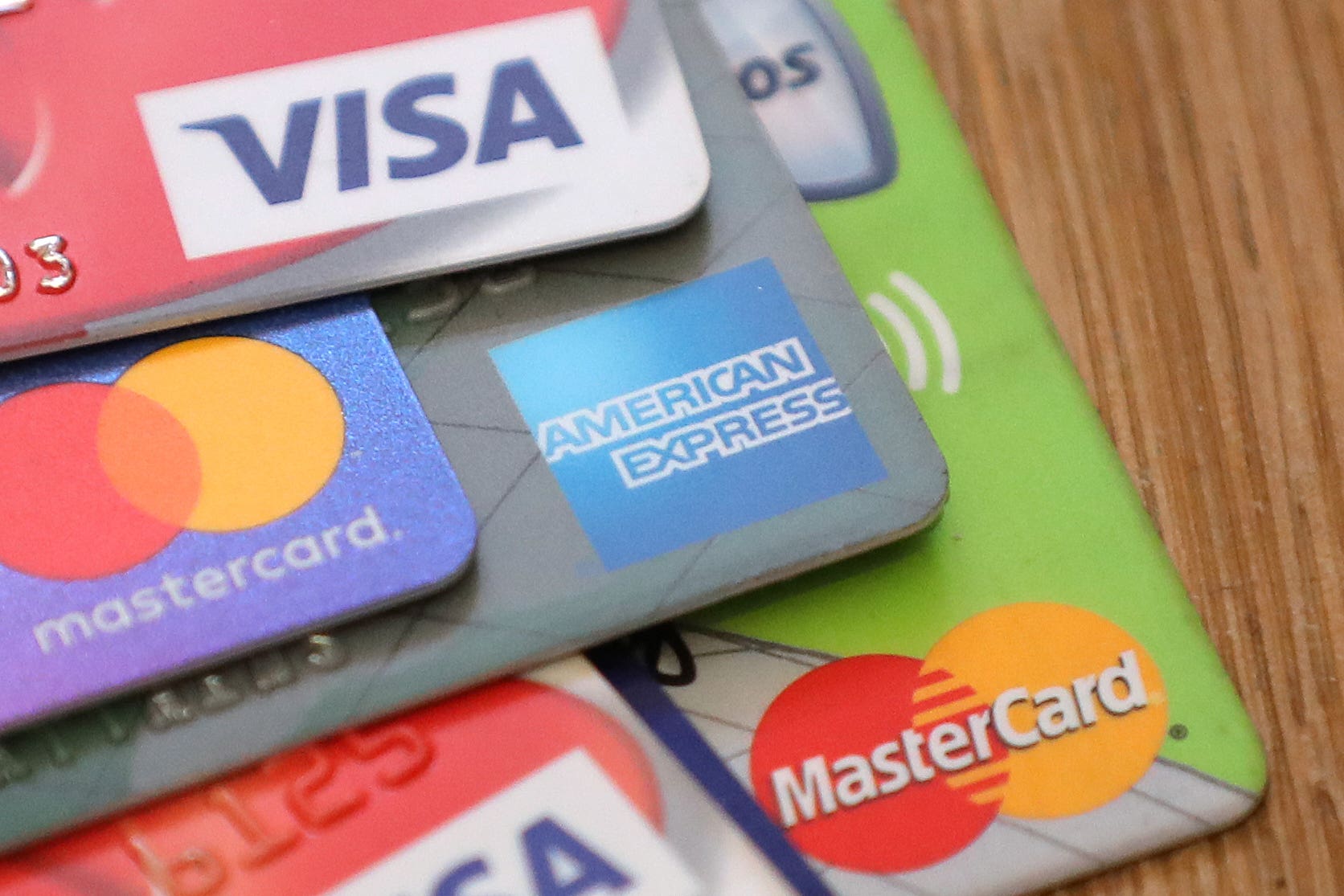
Fewer than half of banks and building societies analysed by a star ratings website currently allow people to set their own contactless card limit.
Defaqto carried out the analysis ahead of rule changes taking effect from March 19, which will allow firms to set higher contactless card limits than the current ceiling of £100 per transaction, if they choose to.
Firms are also being encouraged to let customers set their own limit, or turn contactless off altogether, as many high street banks already do.
The analysis by Defaqto of high street and online-only banks’ apps found significant differences in the money management features that account providers currently offer to customers.
The research found that only 13 of the 31 (42%) banks and building societies it looked at allow customers to set their own contactless card limit, however 21 (68%) did let users freeze contactless payments.
Katie Brain, banking expert at Defaqto, said: “With the contactless cap being removed, choosing a bank or building society with the right in-app controls could make a real difference to how easily people manage their money.
“Features like setting your own contactless limit or freezing payments give customers a practical way to put the brakes on spending if they need to.”
The contactless rule changes are being introduced by the Financial Conduct Authority (FCA) and existing protections will remain in place, meaning consumers must be reimbursed in unauthorised fraud cases, such as if their card is lost or stolen.
Banking and finance industry body UK Finance said in December that while it does not expect to see any immediate change to the £100 contactless limit, “any changes made in the future will be done carefully and ensure strong security and fraud controls remain in place”.
The FCA has also said previously said that, based on industry feedback, it anticipated most firms would continue to implement the £100 limit for the time being.
The aim of the changes is to allow firms to better respond in future to changing consumer demands, inflation and new technology.
Defaqto carried out its analysis in February.
Here are some suggestions from Defaqto, which provides star ratings for UK financial products, for staying in control of payments:
1. Check upcoming payments.
Twelve of the available apps looked at by Defaqto let people see upcoming direct debits and standing orders up to a chosen date, helping them understand how much money they will have left.
2. Categorise spending.
Many apps sort spending into categories, and some let people create their own. This makes it easier to spot where money is going and where spending could be cut back.
3. Consider setting a personal contactless limit.
If this is an option offered, it can act as a spending pause, requiring a pin for bigger purchases and encouraging more mindful decisions.
4. Turn on alerts.
Balance and transaction alerts can help to keep people aware of money moving in and out of their account, potentially helping to prevent the risk of overspending.
5. Consider blocking certain types of spending.
Some providers allow customers to block specific transactions, such as gambling payments, via the app, by phone or in a branch.
Bookmark popover
Removed from bookmarks