Crypto exchange reveals how $40bn bitcoin was accidentally given away
The error subsequently triggered a 17 per cent decline in bitcoin's market price
South Korea's Bithumb, a prominent cryptocurrency exchange, has disclosed that significant internal system vulnerabilities led to an accidental transfer of over $40 billion in assets last week.
The company admitted these flaws could have also left its systems open to potential sabotage.
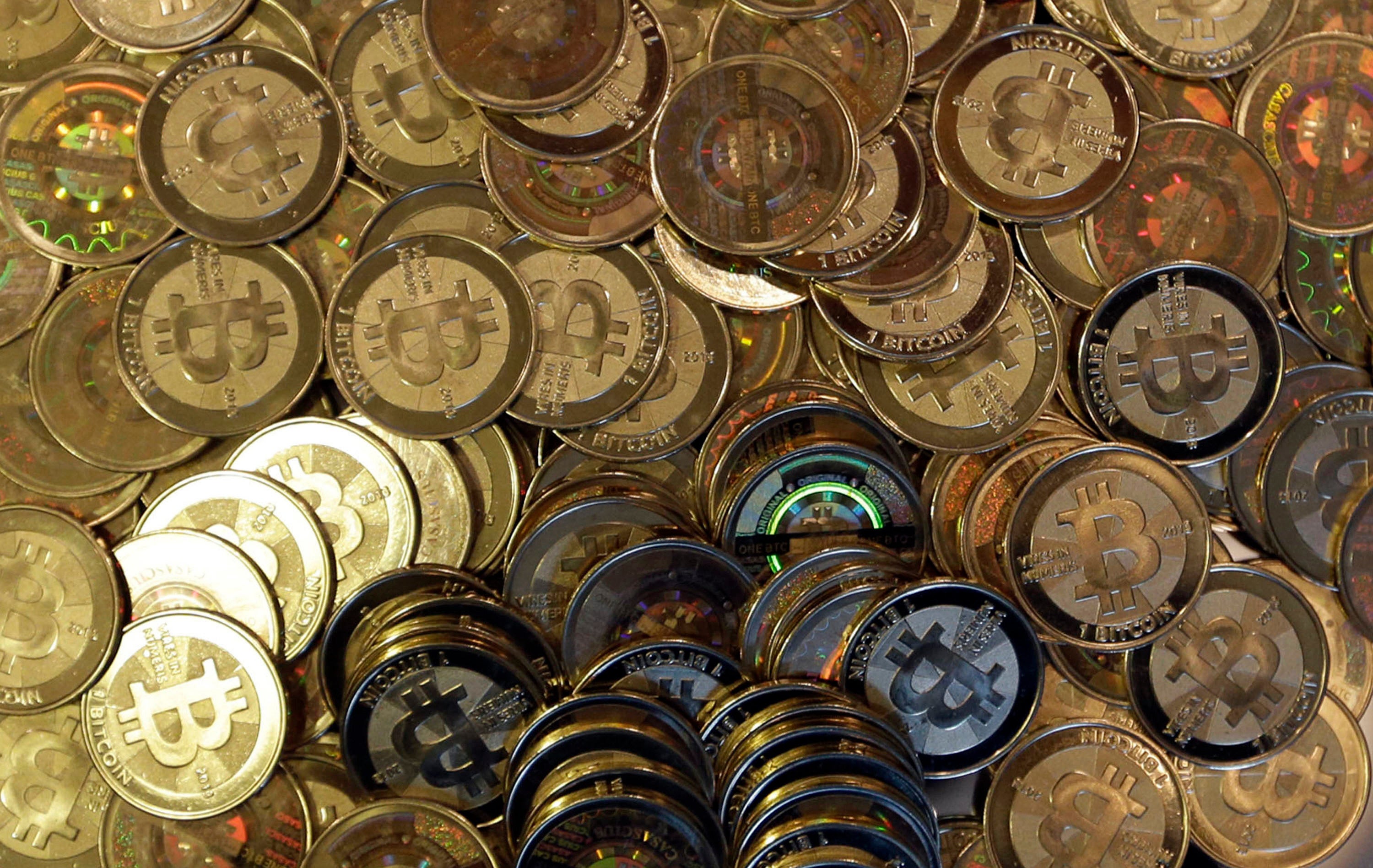
The nation's second-largest virtual asset exchange inadvertently distributed approximately 620,000 bitcoins to customers during a promotional event, mistaking them for 620,000 won (around $426).
This staggering blunder subsequently triggered a 17 per cent decline in bitcoin's market price.
Speaking before a parliamentary committee investigating the incident, Bithumb CEO Lee Jae-won explained that the accidental giveaway amounted to 15 times the exchange's total holding of 42,000 bitcoins.
He attributed this partly to a delay of about 24 hours in processing transactions, which hindered timely updates to virtual asset balances. Mr Lee stated: "We are acutely aware of the deficiency in internal system control."
He further revealed that the exchange's established policy for verifying transfer volumes against actual holdings had failed.
Additionally, the substantial amount was not allocated to a separate account, a crucial step designed to ensure the security of such transactions.
Most of the bitcoins have been retrieved by the exchange, but 1,786 had already been sold within minutes before the exchange froze the accounts of the customers that received them, regulators have said.
The customers who sold them are legally required to return them, they said.
Members of parliament expressed dismay at the failure of government and corporate oversight in the country's virtual assets market, which is one of the most active in the world by trading volume.
Financial Supervisory Service (FSS) Governor Lee Chan-jin said he personally believed the virtual currency market should be subject to the same regulatory oversight as banks and other financial services institutions, but it was not possible under existing laws and regulations.
South Korea introduced the Virtual Asset User Protection Act in July 2024 to better protect crypto investors following a market rout in 2022 triggered by the collapse of cryptocurrencies terraUSD and luna.
The government aims to introduce another bill further widening regulatory control over digital assets, while discussions are also ongoing among policymakers and lawmakers over won-denominated stablecoins.
"It is regrettable such an incident happened at a time when there were moves by financial firms to foster the industry, such as M&A deals, on expectations of more policy support, which will now be delayed," a market analyst said, requesting anonymity due to the sensitivity of the matter.
Join our commenting forum
Join thought-provoking conversations, follow other Independent readers and see their replies
Comments
Bookmark popover
Removed from bookmarks