Six ways to help your garden wildlife thrive in the cooler winter months
You may be warm inside, but what about your garden wildlife?
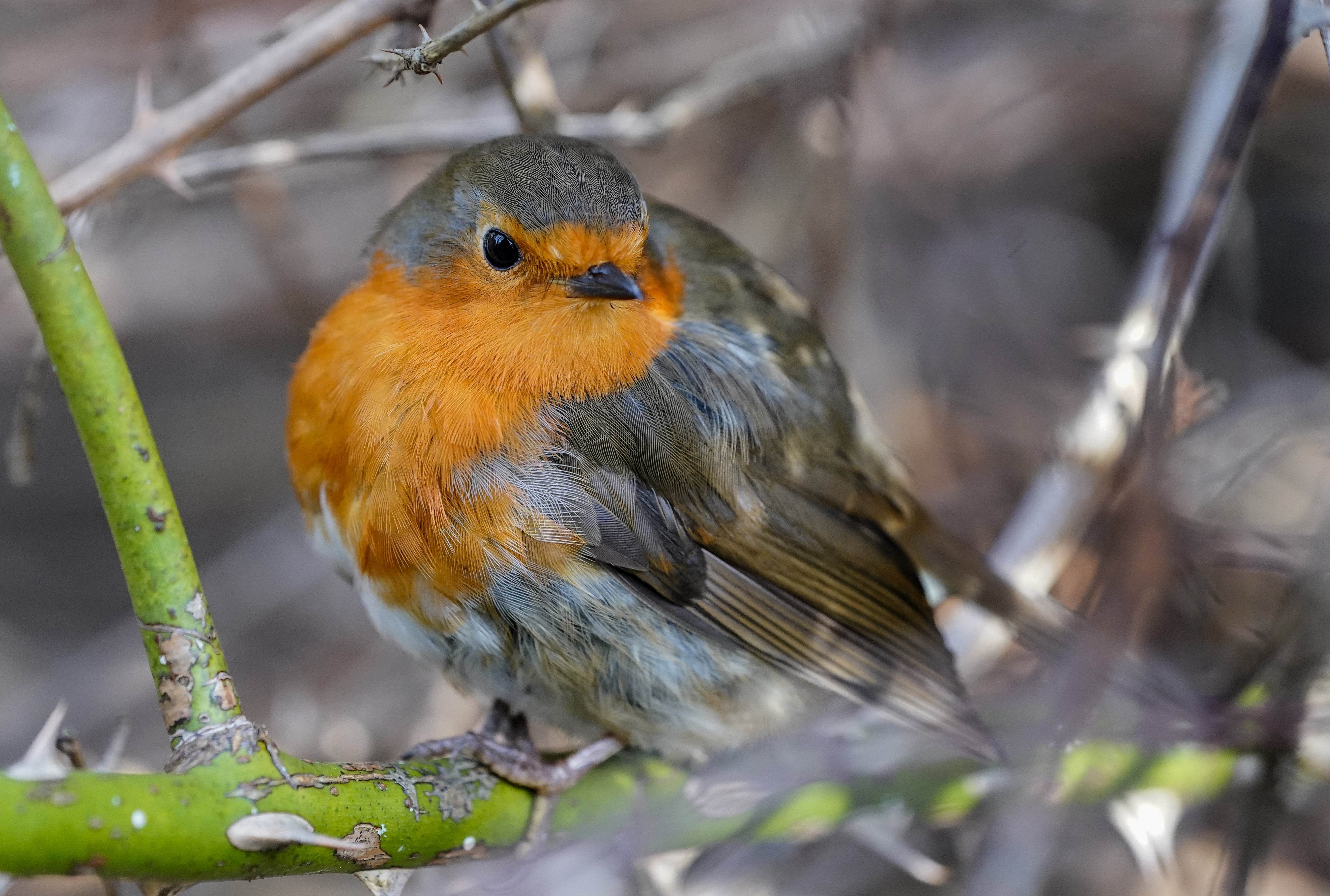
As persistent cold grips the UK, concerns are mounting for garden wildlife struggling to survive freezing conditions.
Experts are urging the public to consider how best to support local creatures through the winter.
Kim Stoddart, editor of Amateur Gardening magazine, highlighted their vital contribution. "Wildlife plays an incredibly beneficial role to the garden and boosting biodiversity where we can will help reverse nature decline," she stated.
Despite last year's abundance of nuts and berries, the current severe cold has depleted these natural food sources, leaving many garden inhabitants vulnerable.
So, what can be done to help these creatures during the ongoing cold snap?
1. De-ice your bird baths
“One of the best things to do is provide ice-free water at this time of year,” says Jenny Shelton from The Wildlife Trusts.
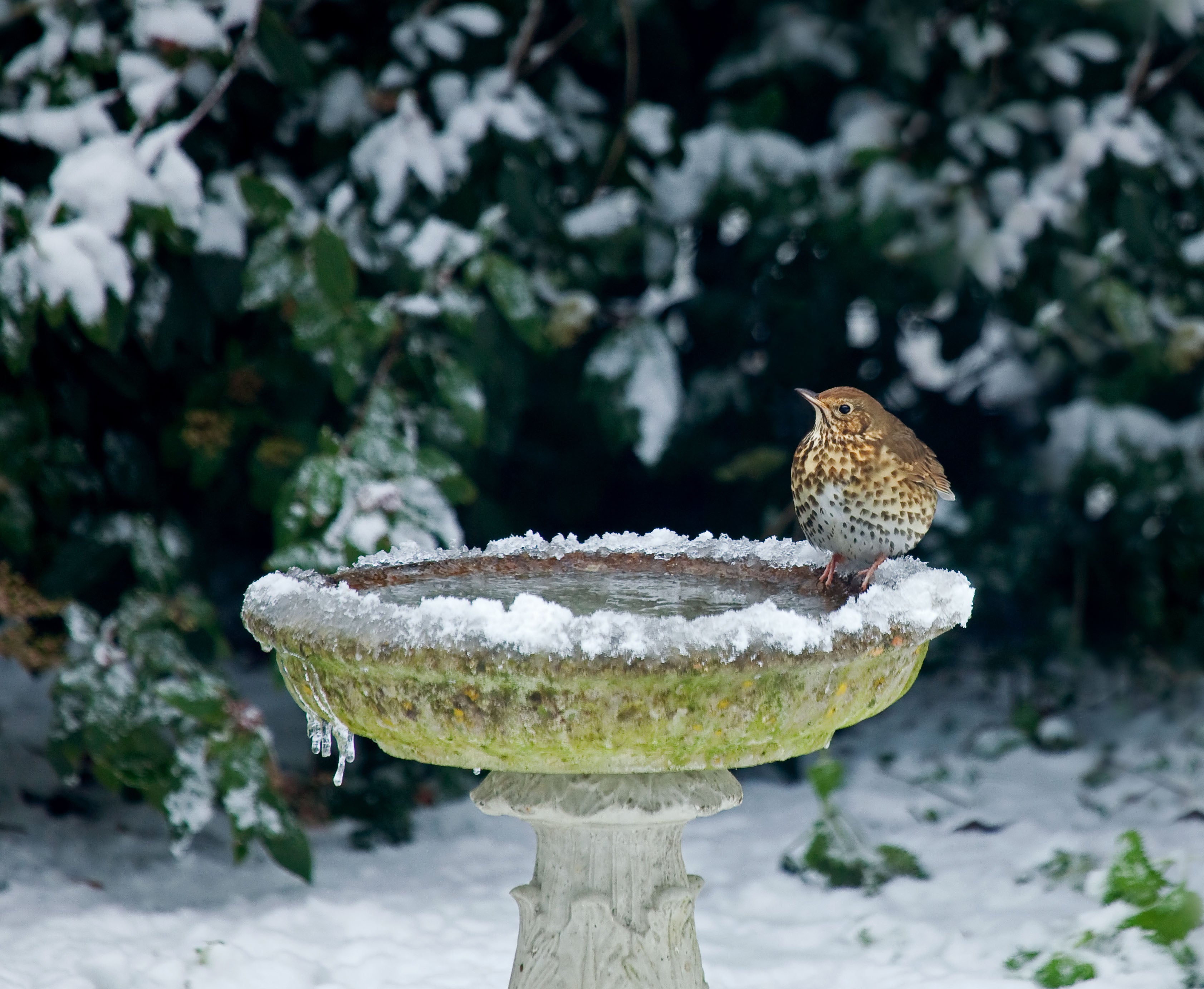
“Whether that’s floating a tennis or ping pong ball on the surface of your saucer or bird bath to stop them freezing over completely or just by going out and removing the ice and then topping them up with fresh water, birds like to drink water and bathe in it, even when temperatures dip below zero.”
2. Make food available
Frozen ground will prevent opportunities for bug foraging and means that birds will need more food as they burn off more energy coping with the cold, says Stoddart.
Provide them with scraps of food, nuts, cheese, dried porridge and fruit such as spoiled apples from this year’s harvest, she suggests.
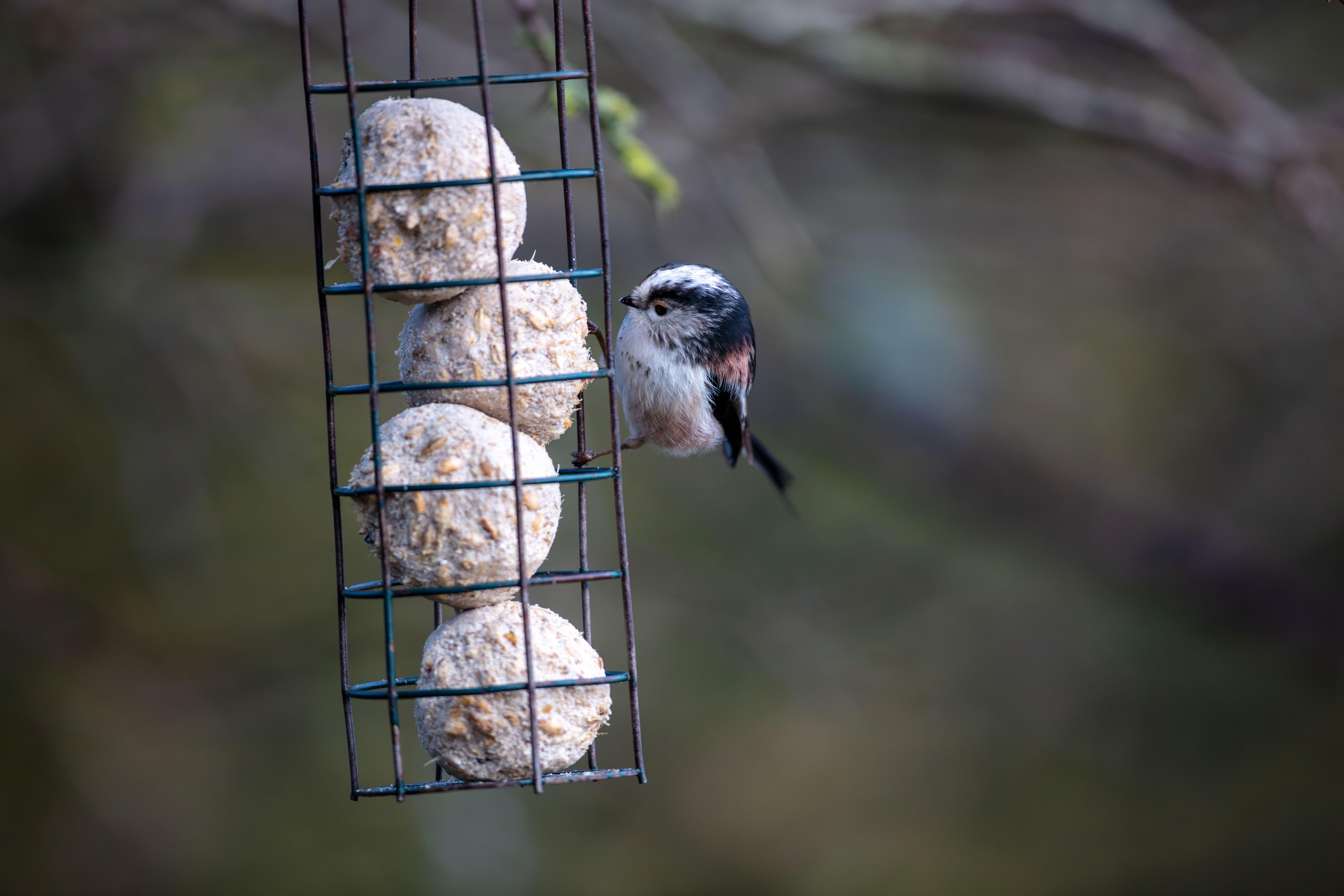
“Suet is really popular in winter, because it’s going to provide birds with the fat that they need to stay warm and is really popular with lots of different species,” says Shelton.
“Look for good quality suet balls but make sure you don’t overfeed.”
If you are leaving out scraps just put out as much as you think will be eaten, and remember to clean feeders regularly and move them around a bit to help reduce a build-up of mess and the likelihood of pests, she adds.
3. Put up nest boxes now
“If you put up nest boxes now, ready for spring, it also gives birds somewhere to roost over winter,” Shelton suggests.
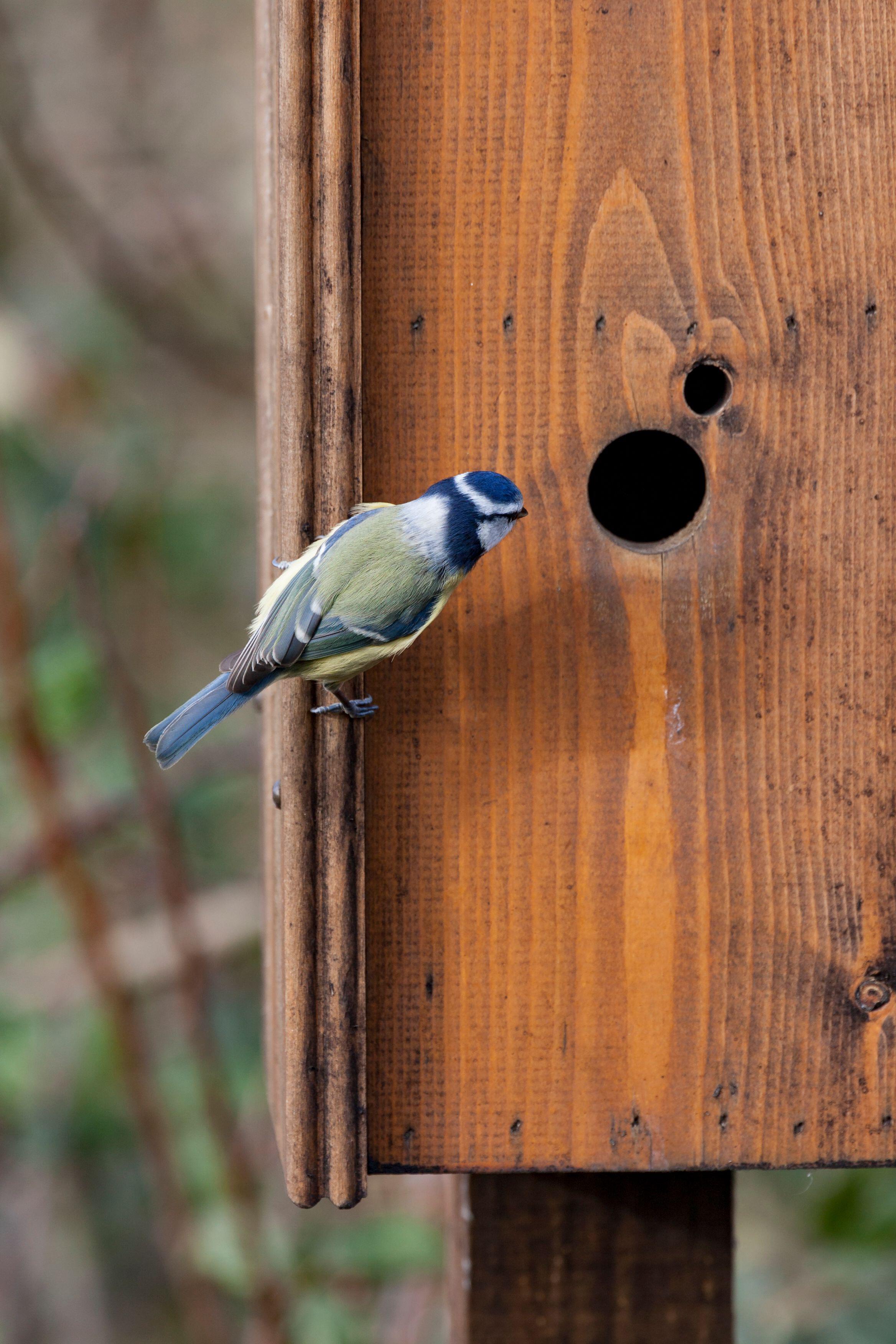
“Your blue tit box might be currently in use by a blue tit or a cluster of wrens who often gather together for warmth in nest boxes at this time of year, so it’s a good idea to remove the old nesting material using gloves and hot water and once it’s dry add hay or wood shavings to make it a nice snug place to roost overnight.
“But don’t do it any later than February, because many birds will be house-hunting from February time. Any spring cleaning needs to be done before then.”
4. Create a dead hedge
Seed pods, leaf mould piles and log piles all provide valuable shelter, so don’t tidy these away till spring, Stoddart advises. A dead hedge made from garden pruning material can provide shelter for birds and invertebrates, and can also act as a wind break.
5. Leave winter pruning a bit longer
Hang fire on tidying up your plants, shrubs and hedges until a bit later in the season, to give wildlife, including insects, plenty of places to take shelter in your garden. If you have blackcurrants and gooseberries, leave pruning a little longer to allow insects and other wildlife to escape the elements in them.
6. Create ground cover
“Stones for creatures to hide underneath can be massively beneficial,” says Stoddart. “Makeshift bug hotels can be easily made and are a fun winter project with kids, and you can go foraging for materials. Ultimately ground cover and protection can mean twigs, stones, leaf mould piles which all provide benefit for many creatures.”
7. Allow for home visitors
“Some people find butterflies and ladybirds in their home at this time of year, who have found their way in to shelter from the cold and entered a sort of insect version of hibernation over winter,” says Shelton.
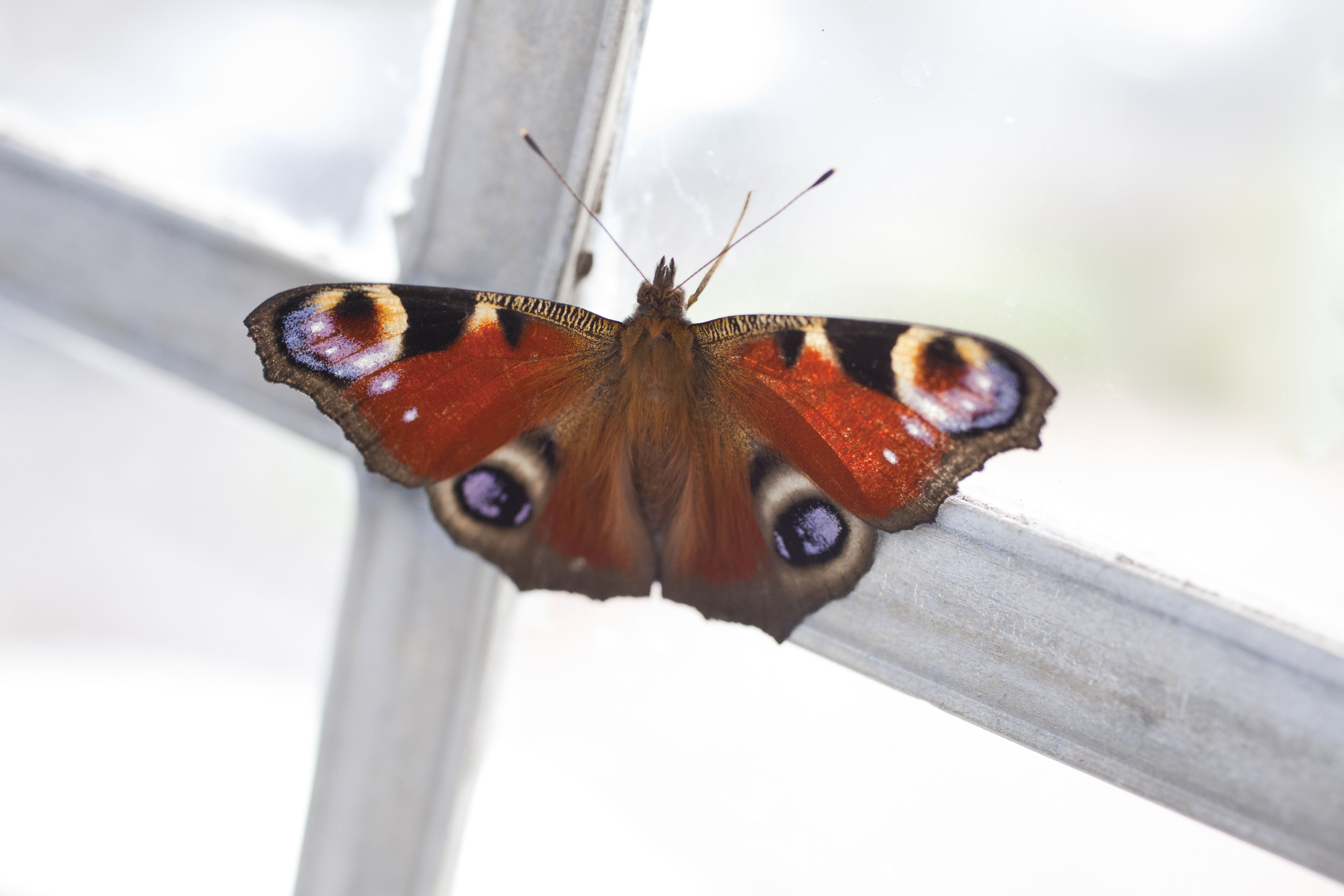
If you need to move an insect, carefully catch it and put it gently into a cardboard box, leave it to settle and then relocate it to maybe a shed, garage or outhouse, she advises, making sure it has an escape route for spring.
6. Think ahead
Plan for future winters by making a note of shrubs, hedges and other berried plants you could plant this year in preparation to give wildlife a helping hand with food and shelter in winters to come. At this time of year ivy berries are among those which ripen last, while holly, hawthorn and rowan, which are wildlife-friendly in winter, also support insects in spring and summer.
Bookmark popover
Removed from bookmarks