From injectables to pills: how the new Wegovy tablet will change the weight loss market forever
The launch of an oral semaglutide pill approved for weight loss represents a new frontier for GLP-1 drugs. Katie Rosseinsky looks at how the landscape is changing


Our collective appetite for weight loss drugs has become pretty much insatiable over the past few years. It’s thought that around 1.5 million people in the UK are on GLP-1 agonist medications to curb their appetites, while over in the US, around 12 per cent of the population have used them for weight loss.
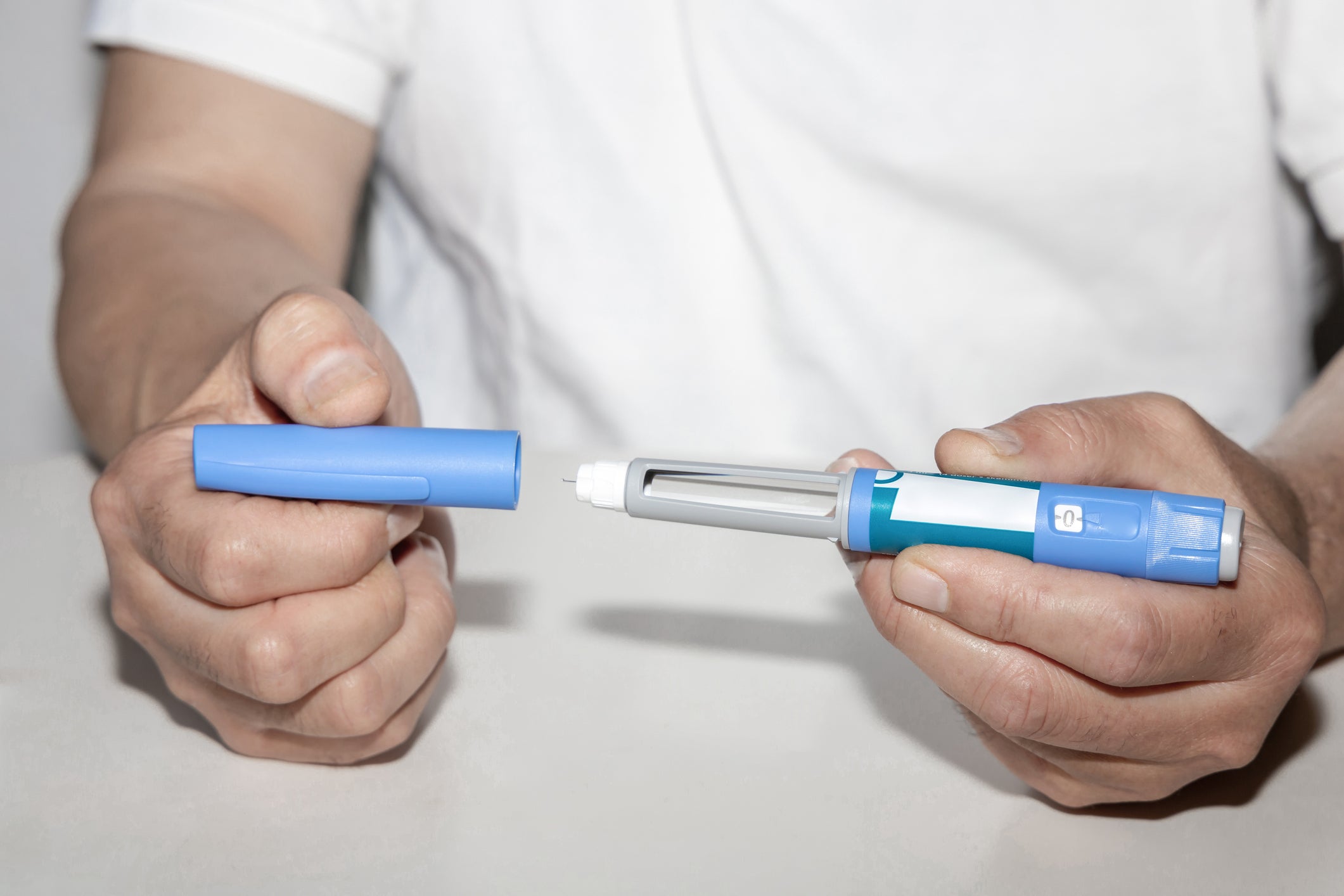
The Wegovy or Mounjaro pen stored in the fridge alongside a (presumably diminished) grocery shop has become the defining image of the so-called “skinny jab” era, with users self-administering weekly injections. But in 2026, that’s about to change. Soon, GLP-1 users will instead be able to reach for a daily pill that promises all of the advantages of the jab, without having to brave the needle. It’s a step forward that could drastically shake up an already booming market.
Towards the end of 2025, the United States Food and Drug Administration approved a pill version of the GLP-1 injectable Wegovy, made by the Danish pharmaceutical giant Novo Nordisk. It’s the first time that an oral GLP-1 has received FDA approval for weight loss (the same company previously launched Rybelsus, essentially Ozempic in tablet form, to treat type 2 diabetes). The new medication is being rolled out in US pharmacies and on telehealth platforms this week.
The Wegovy pill is an oral form of semaglutide. It “targets the same appetite and satiety pathways” as the jab, explains Dr Tony Banerjee, founder of HarleyDoc, “reducing hunger and helping many people eat less without feeling constantly deprived”. The pill, however, contains much higher doses of semaglutide, because absorption is much lower when the drug is taken orally. “GLP-1 medicines are peptides, or peptide-like, and don’t naturally survive the gut well, so oral versions often need absorption-enhancing formulations and higher doses to achieve [a] similar effect,” Dr Banerjee says.
Over the course of a 64-week clinical trial, patients experienced an average weight loss of 13.6 per cent, compared to 2.7 per cent among those who took a placebo; and if patients properly stuck to the treatment throughout, reduced their calorie intake and exercised, an average weight loss of 16.6 per cent was achieved. This puts the pill’s efficacy on a par with the jab.
It’s not just the needle-phobic who might be drawn to a weight loss pill. Oral tablets are, frankly, much less bothersome than injections. “You don’t have to keep them in the fridge, and you can travel with them more easily,” says Dr Clare Thompson, GP at the Cadogan Clinic and leader of its Medical Weight Loss Clinic. “They’re just a bit less of a faff in my mind. Travelling is a big one: people often say, ‘I’ve got to take my pens with me, and I need a letter’. Some countries are quite strict, and it’s a hassle.”
Then there’s the fact that there’s still a certain “stigma” around “needing an injectable medicine”, as Dr Banerjee puts it. A pill feels more familiar, less intimidating, less obviously medical. “A tablet lowers the psychological and practical barrier to starting treatment, so it can widen the addressable patient population beyond people who are already comfortable with injections,” Dr Banerjee says.

What’s particularly striking, though, is just how much cheaper the pill will be compared to its jab-based counterparts. American self-paying customers, who aren’t accessing the medication using their medical insurance plan, will be able to buy a monthly supply of the 1.5mg starting dose for $149, which roughly equates to a daily cost of $5. A 4mg dose will cost the same amount until mid-April, when the monthly price will rise to $199, while the highest dose, 25mg, will cost $299 (most patients start on the lowest dose and work upwards over a period over the course of about four weeks).
Compare this to the price of the injectable versions, which, for American customers, have previously sat around the $1,000 per month mark (although Novo Nordisk did drop the monthly cost of Wegovy to $349 last November, following negotiations with the Trump administration). You can see why the pill might pique the interest of a whole new customer base, one that might have previously bristled at the seriously high cost.
And those who can access weight loss drugs on their insurance might pay as little as $25 each month; however, insurance coverage for similar medications tends to be pretty limited, hence why Novo Nordisk appears to be targeting so-called cash payers with splashy low prices. Dr Banerjee notes that tablets “can avoid some of the complexity and cost” associated with pens and needles, and with the necessary cold chain storage, which goes some way to explaining the lower costs. But, he adds, “it’s not only that pills are cheaper to make – it’s also a deliberate move to expand uptake and defend market share”.
Indeed, the company will surely have one eye on its competitors: they aren’t the only ones to have been pouring their efforts into weight loss pills. The US pharmaceutical company Eli Lilly has been developing its own oral medication, orforglipron, which is expected to gain FDA approval in the coming months, after being awarded one of the organisation’s “national priority” vouchers as part of a US scheme to speed up drug reviews.
A tablet lowers the psychological and practical barrier to starting treatment
Both the Wegovy pill and orforglipron are intended to be taken once daily, but the exact protocol is a little more complex when it comes to the former. Wegovy pill users, Dr Thompson says, will need to take their tablet first thing in the morning with 4 ounces of water, half an hour before eating, drinking or taking any other medications. This is to stop anything else interfering with the drug’s absorption. Orforglipron, meanwhile, can be taken at any time of the day, with no food and drink restrictions. It’s worth noting, though, that both drugs have been linked with gastrointestinal side effects (think nausea and constipation), just like their injectable counterparts.
As weight loss pills become more common, Dr Banerjee expects that “more people are likely to start treatment earlier”, before becoming seriously obese or experiencing associated health complications, because “a pill feels less intense than injections”. Over in the UK, though, we might have to wait a bit longer: the Medicines and Healthcare products Regulatory Agency (MHRA) is currently reviewing Novo Nordisk’s application for the oral version of Wegovy, and a decision is expected by the end of this year.
It’s not that pills will render the jabs obsolete, either: instead, they’ll likely make these medicines more accessible, and much cheaper. And pharmaceutical companies are developing new and even more powerful drugs such as triple-action agonists, which work even more efficiently by mimicking the behaviour of three naturally occurring gut hormones.
This medical revolution, it seems, is just getting started.
Join our commenting forum
Join thought-provoking conversations, follow other Independent readers and see their replies
Comments
Bookmark popover
Removed from bookmarks