Terry’s Chocolate Orange hit with sharp price hike this Christmas
Several big brand manufactures have moved to using less cocoa in an attempt to offset the price increases
Festive favourite chocolates, including the staple Terry’s Chocolate Orange, have risen in price this Christmas, new data shows.
Chocolate lovers may be saddened to hear that prices have risen by nearly one-fifth, as cocoa ingredients become more expensive to source.
Chocolate prices have soared by 18.4 per cent since last year, according to figures from Worldpanel.
The prices of sweet chocolate treats have risen faster than almost all other supermarket food products, second only to fresh meat and chicken.
KitKats are now as much as 70 per cent more expensive than last year, while a 310g pack of Maltesers comes in at £1.67 more, according to data from Trolley.co.uk.
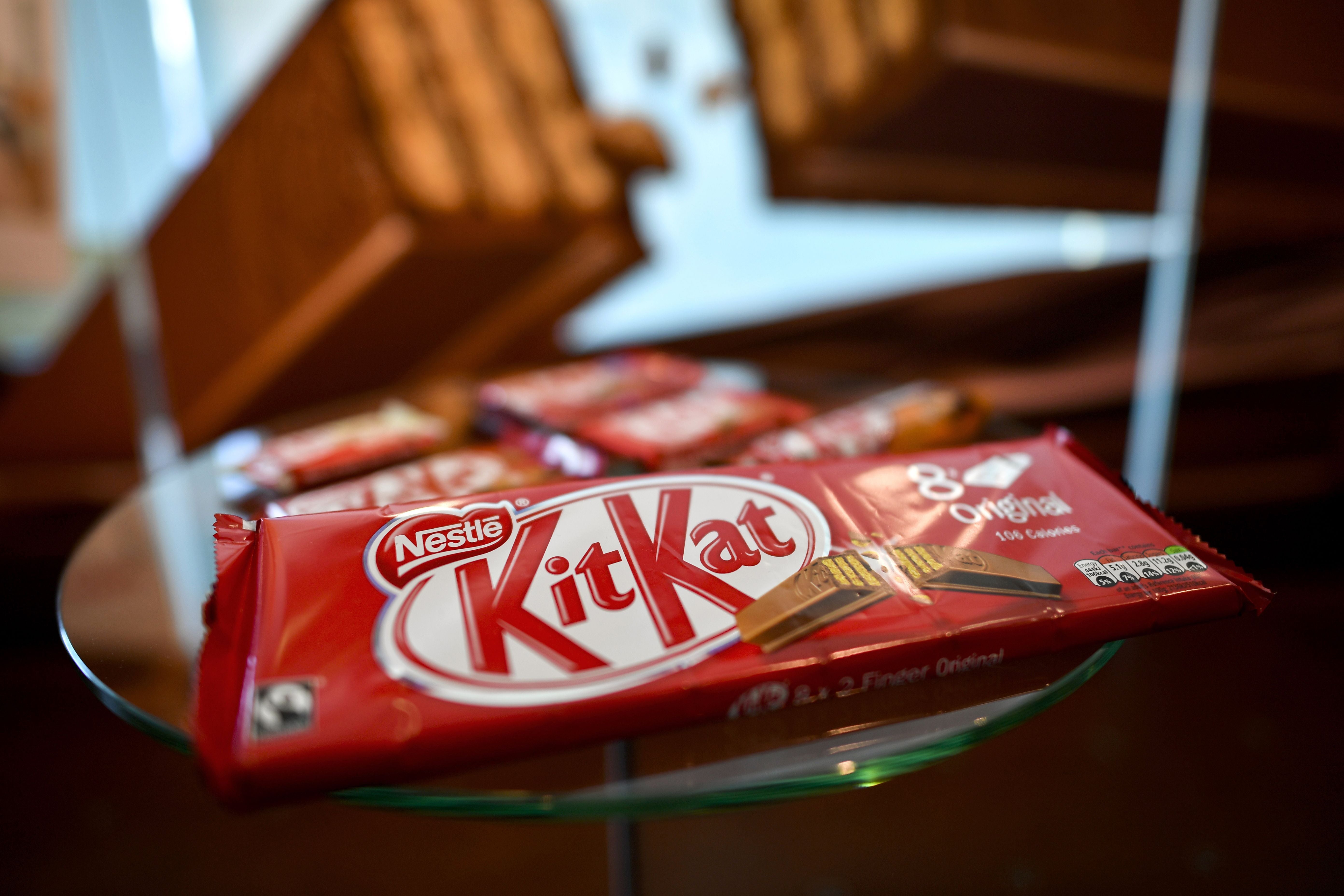
A classic Terry's Chocolate Orange has risen by 38 pence as several big brand manufactures have moved to using less cocoa in an attempt to offset the price increases.
Nestle have moved to reducing the quantities of cocoa and milk in favour of using a cheaper vegetable fat instead in some of their products.
This has led to their fan favourites, Toffee Crisp and Blue Riband bars, to no longer qualify for the chocolate status.
In order to be officially classified as “milk chocolate” in the UK, a product must contain at least 20 per cent cocoa solids and 20 per cent milk solids.
The products are now described as being "encased in a smooth milk chocolate flavour coating" rather than being covered in milk chocolate.
A Nestle spokesperson said the food giant had seen "significant increases in the cost of cocoa over the past years, making it much more expensive to manufacture our products. We continue to be more efficient and absorb increasing costs where possible".
McVitie’s similarly made recent reformulations in October to their Penguin and Club bars, which are now labelled as “chocolate flavour” due to the reduced cocoa quantities.
This was the result of their parent company Pladis choosing to use cheaper alternatives to the main chocolate ingredient.
Many ingredients such as cocoa and butter have become more expensive over the past three years, which has led to many food companies altering their recipes to use less expensive ingredients, as well as reducing serving sizes in a process sometimes referred to as “skimpflation”.
Although cocoa prices have recently eased slightly, a rise in costs over years due to poor harvest and droughts have made the price of chocolates soar, with chocolate prices up 18.4 per cent on this time last year.
Join our commenting forum
Join thought-provoking conversations, follow other Independent readers and see their replies
Comments
Bookmark popover
Removed from bookmarks