How the summer school holidays became a danger zone for some British kids
A shocking report last week exposed Dickensian levels of hardship, where worrying about rat bites and having no water to wash clothes is a grim reality for families living in poverty. Chloe Combi talks to kids for whom the summer holiday is a time of fear, not fun


What do you think of when you hear the words school summer holidays? If your answer is long rolling weeks of freedom and fun, garden paddling pools and family camping holidays and hot sandy beaches, congratulations. You are describing the kind of happy childhood experience that is far from the reality of the 4.5 million children who are living in poverty in the UK.
In a report published last week, the children’s commissioner, Dame Rachel de Souza, revealed that children described living with rats, eating out-of-date food, and not having a clean place to wash.
Speaking on BBC Breakfast last Tuesday, De Souza admitted she was shocked at how bad things had got: “It really is Dickensian and there are a huge number of children now who have dropped below what any of us would think is reasonable. The children who have got no food to eat, the children who can’t wash their clothes, so they are going to school dirty and if they’re lucky, the school are washing their clothes for them.
“I had one child tell me about his shame because he couldn’t have his friends round because in the night rats came and bit his face.”
Across the UK, 31 per cent of children are now living in poverty, and their experiences mean the looming six weeks of summer holidays are packed with misery, not fun activities and sunny holidays in foreign countries.


In Oldham, Joe, 18, has just done his A-levels. I met Joe when I interviewed him for my podcast, You Don’t Know Me, and I was astonished to learn his school was so impoverished it had just shut on Fridays, and it had been that way for months – not enough teachers and too little money to keep the lights on. It hadn’t even made the news.
When school was open, lessons were taught in a large hall, with cardboard partitions separating year groups – a recipe for minimal learning and maximum shenanigans. Joe is a statistical miracle and an absolute grafter. Despite the school having an 11 per cent A-level pass rate, he’s been offered a conditional place at UCL to study politics and international relations.
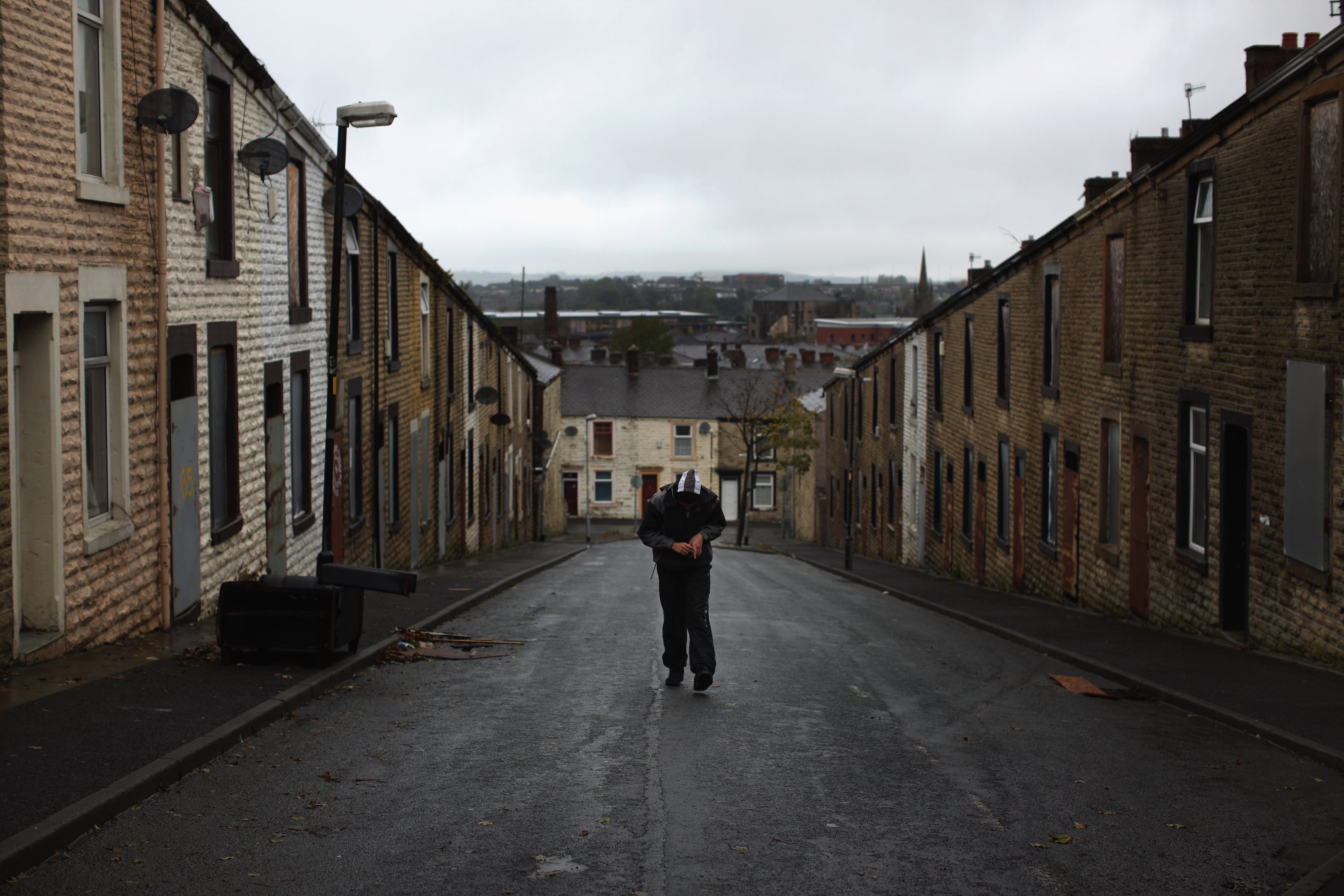
Joe deserves that place so much, it makes me nervous for results day, but he has to get through the summer holidays first. He tells me in his characteristically cheerful way, “They are an absolute sh**show around our area. Nothing to do. No places to go even if you have a bit of cash, most of the high street has gone apart from betting shops, pound shops and the odd pawnbroker. It’s grim – do crime or get wasted or both. If you don’t do those things... there’s nothing apart from whatever you’re playing, energy drinks, sleep all day.
“What else is there? All the younger ones are in the same loop and loads of parents are surviving with free school lunches, often the only reason why you go to school. Everyone lifts food from the shop, and if you get caught, it’s just a warning. They can’t nick everyone.”

Jibril, aged 15, lives on one of the more notorious housing estates in Brixton, London. It’s the same place his grandfather, with whom Jibril lives, grew up in the early Eighties when he was almost the same age.
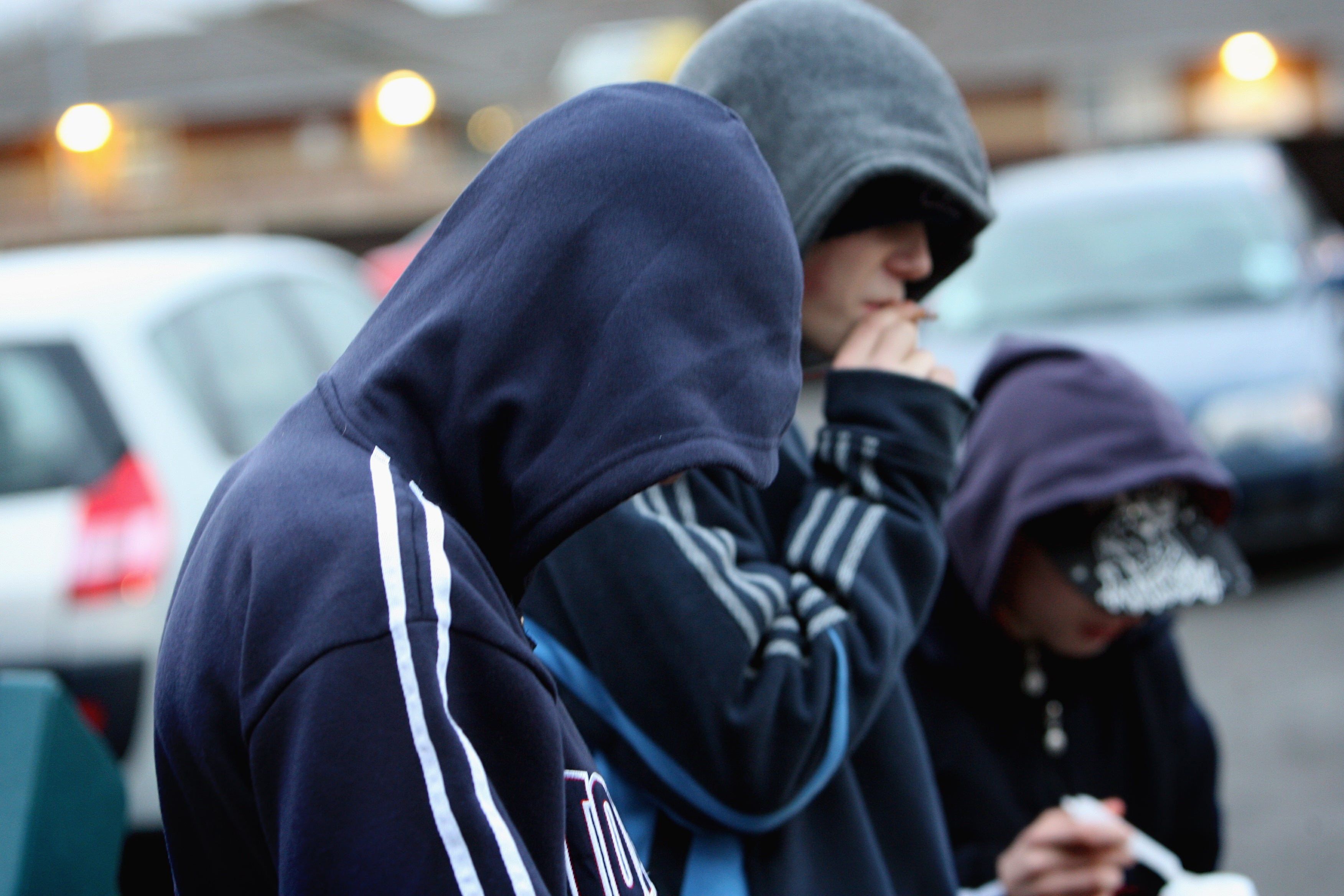
“My grandad says back in the day it was hard with the riots and all the police brutality, but they’d have these dance halls where they had all this music, places where you could get a brew and chill. There were places for kids, maybe organised by the church or house parties. Now, there is just nothing. If you want to stay out of trouble or avoid beef, it’s better to just stay indoors unless you need food. The summer holidays are hard. Weirdly, a lot of people hang around outside school because you know the area.”
Joe and Jibril’s view of the looming summer holidays are a long way from the grinning kids and teens we see in all the adverts for holidays in nice-looking locations with water parks and forests splashed all across social media. However, they are not peculiar outliers living on the fringes of life in the UK; they increasingly represent the majority.
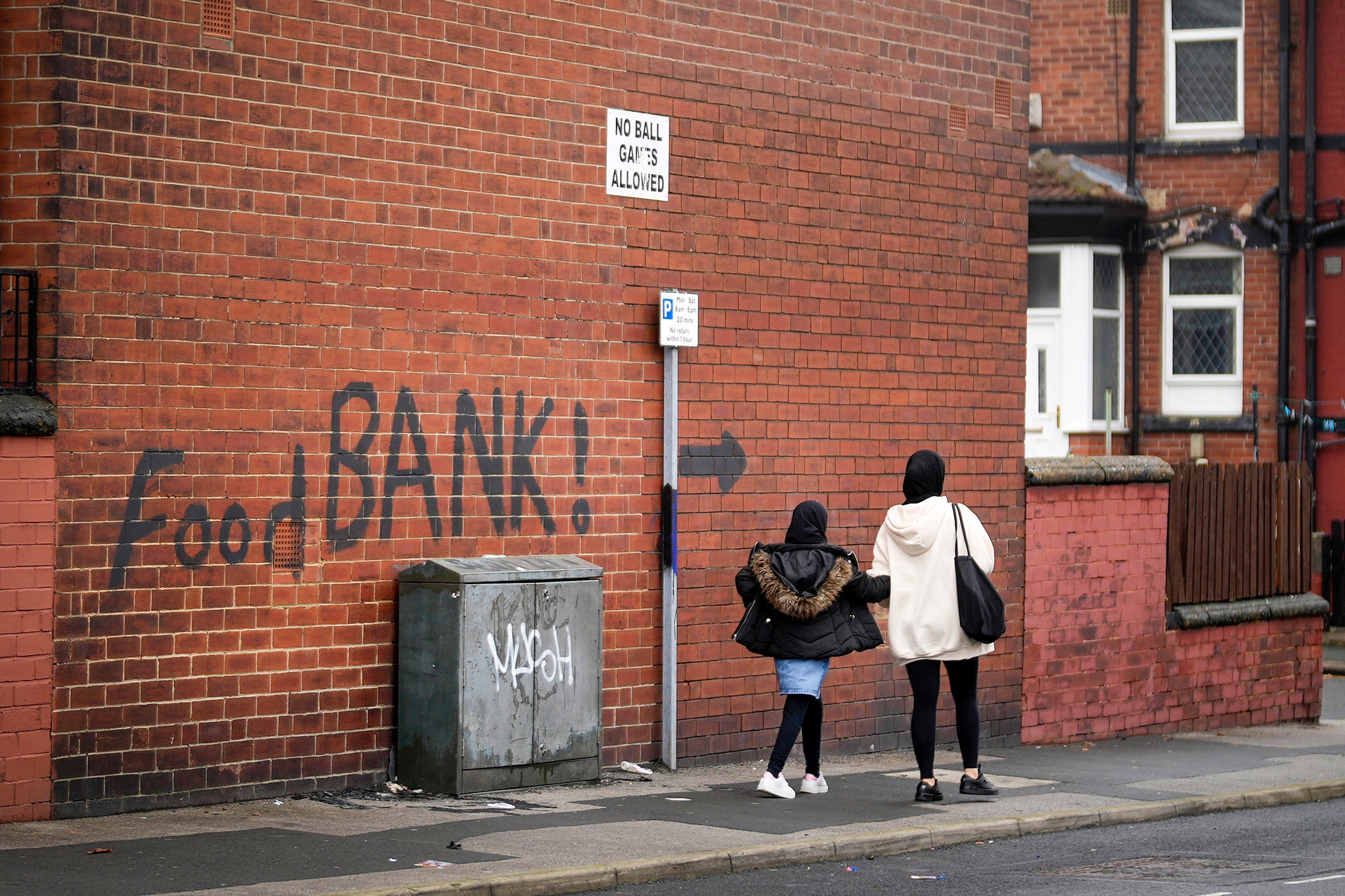
And with spiralling living costs, children and teenagers who would once have been comfortably middle class are now living lives of increasing economic uncertainty. Food banks are now a more common feature of cities in the UK than youth clubs, and the scarcity of spaces and places for young people who can’t afford trips to the cinema, let alone a holiday with the family, is evident everywhere you go.
Schools offer structure and security; a reason to get up, stimulation, a safe space, mates who don’t represent danger, and a hot lunch. For many children, this safety net will vanish for the next six weeks.
Over in north London, in Wealdstone, which was once a thriving Irish area where bands like the Rolling Stones and The Who played in the long-shuttered clubs, 14-year-old Olena lives with her mum and three siblings. They moved here from Kyiv at the outbreak of the war and plan to go back if it ever ends.
Wealdstone is an uneasy blend of cultures and is showing the optimistic signs of gentrification with high rises with gyms and communal spaces springing up next to the older, tattier developments. Olena loved her childhood in Ukraine and is shocked by the suburban wasteland she finds herself in, despite living in one of the richest cities in the world.
“I don’t want to sound ungrateful, but it’s awful here. What do people our age do? When we go out, the girls just get hassled by older guys. Some of my friends got asked if they wanted some work for the guys, which I know means sex stuff. On the street, we’re hassled to go back to their places or cars. It’s dangerous, but some of the girls go. I think it’s because they’re bored and there’s nothing to do.
“I’m very worried about the summer holidays. My mum is a nurse, dad is in Kyiv, and I feel anxious every night. Most of the girls in my class feel the same.”
Summer for these girls represents both actual danger and it’s no surprise that crime goes up in the summer holidays, particularly youth crime and burglary.
Their mental health is also suffering. “Summer depression” is an increasingly reported phenomenon in teens and particularly those who don’t have anywhere to go or anything to do. Joe can attest to that: “I found summer way harder than Christmas. At least at Christmas, there were sort of parties. Summer is just dead, dead time.”
Jibril agrees. “The highlight of my summer will be going to the airport. We go there, sometimes to City airport and Heathrow, which is mad. I like looking at the planes and wondering where they are going.”
While boredom during the summer holidays is nothing new, in previous eras, even if you were skint, there was something for you – free youth clubs, cheap gigs, matinees specifically for teens, day trips hard-up families could take. Now, the cost of parking alone in popular seaside towns can take a serious bite out of a week’s food budget, and there are few resources offered to kids and families who are hard up beyond attending to their most basic needs. Fun isn’t seen as one of them.
As local councils come under increasing pressure, many youth services, even the waiting times for mental health support, are staggeringly long. Providing free or subsidised hangouts and youth activities aren’t seen as a priority. This is hugely shortsighted in a country that has just had a national conversation post-Adolescence about the pernicious pull of toxic online influencers.
As these cohorts report record levels of loneliness, the more alienated they feel, the more powerful these online antisocial voices will become as they become substitutes for IRL friends. The connection between expanses of aimless, dead time and poor youth mental health and rising crime is a fact, but the deleterious effects of prolonged boredom and aimlessness in kids are rarely discussed.
A bit of boredom is good for creativity and play, but six weeks is a huge expanse of time when the safety guardrails of school are pulled away. Jibril agrees it’s harder to stay on the straight and narrow with six weeks of existential nothingness.
“You need money. You live in a city where lots of people have lots of money and there’s ways to earn money that aren’t legal ... Stealing and dealing is massive around where I live, but sometimes it’s just for stuff to do, you know? Even the library, which I liked as a kid, is gone. Loads of my mates get into crazy sh** and trouble because they’re bored, not because they’re criminals.”
As we wait to hear Labour’s national strategy to report back about how they intend to tackle the spiralling rates of child poverty in the UK, there are signs that some hopeful community projects are managing to cut through. Lots of Gen-Zers, who have recently experienced how serious “summer sadness” can be, are stepping up.
The National Lottery has invested millions into a project called GameChangers in response to discovering that eight in 10 people in their twenties wanted to be a positive role model for younger people, with 82 per cent being concerned about the negative effect of online influencers and communities on Gen Alpha. This is yielding projects across the country. More schools are also offering summer camps and workshops, and trying hard to raise funding to make them accessible for poorer kids.
However, as Joe, who comes from generational poverty and unemployment, explains, “I don’t think most people understand what really being poor means. When a quid is a lot, forget swimming or bowling; when you need to nick stuff not because it’s funny or daring but because you’re hungry.
“You feel so ashamed of being skint. You feel like a burden on everyone, and that’s how people see you, too. You can’t hide from being poor in the holidays and as more kids fall into poverty, that end-of-term date isn’t exciting – it’s scary.”
Join our commenting forum
Join thought-provoking conversations, follow other Independent readers and see their replies
Comments
Bookmark popover
Removed from bookmarks