BYD Atto 2 DM-i: a good value, long-range EV option
Impressive range and an enticing price tag make the latest Chinese hybrid (and its pure EV version) a tempting choice, as long as space in the back isn’t a dealbreaker, writes Sean O’Grady

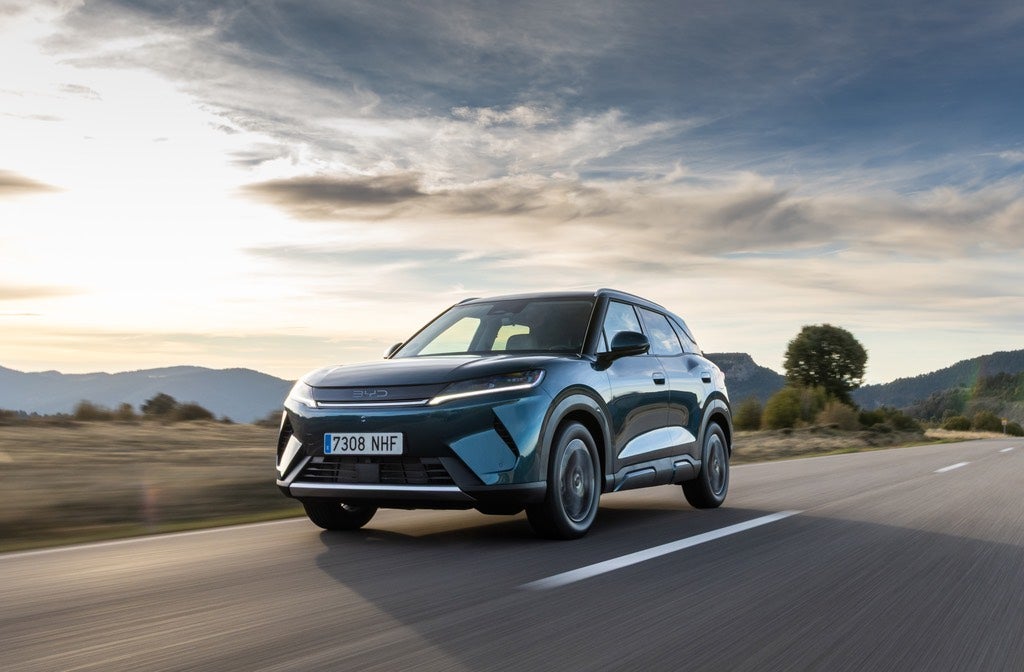
Another week, another Chinese car. It’s not my fault, but merely a consequence of the sheer number of new makes and models from the Middle Kingdom invading our shores.
Something called AION is next, so I’m told. In scale and variety, this influx is already surpassing the flood of Japanese brands that arrived in the 1970s to tear out the heart of Europe’s car industry. They didn’t quite do that, but they did change the market for the better, spurring reliability and efficiency, and there’s every sign their Chinese counterparts will achieve the same. Hence the two new BYD siblings, the Atto 2 DM-i, a plug-in hybrid and the closely related Atto 2 Comfort, which is a proper full-time battery electric vehicle.
First, for those still unfamiliar with the world’s largest producer of battery electric and plug-in hybrids, tussling with Tesla for pre-eminence in the “new energy” sector, a few words on what all those letters mean. “BYD” is short for “Build Your Dreams”, which they certainly are doing, challenging well-established automotive giants from a standing start making laptop batteries only a couple of decades ago.
The “Atto” doesn’t mean anything according to their PR man, though further research tells me it was originally applied to a rather smaller model. At that point, being derived from “attosecond”, the shortest unit of time, it was chosen to project a “speedy, energetic, and dynamic” image.
The DM-i stands for “dual mode intelligent”. The 2 denotes its status as BYD’s second smallest model, in what the trade terms the B sector (the existing, larger Atto 3 EV carries on). BYD call it a “Super Hybrid”, meaning it’s more electric than petrol-driven (as opposed to those “mild hybrids” where the electric power is just a bit of a bonus to get the mpg up and the CO2 down a little).
What you need to know is that both offer good value, and especially the plug-in hybrid, which starts at £25,000 – the cheapest on the market and a real challenge to the likes of the VW T-Roc and Peugeot 2008. One immediate caveat I need to enter is that, thanks to the Budget changes, plug-in hybrids that rely on a lot of their electric power (rather than the petrol engine) are subject to a bit of a double whammy. They will now be liable for the new pay-per-mile charge, albeit at the discounted rate of 1.5p per mile (it’s 3p per mile for the battery electric cars) – but will also suffer from the hike in conventional fuel duty coming in next September. Thereafter, they may face even steeper increases in both levies as the nation’s stock of vehicles transitions to clean green power.
On the other hand, road tax and benefit-in-kind charges are relatively low, and for BEVs there are government subsidies on the purchase price. For an industry and for consumers who crave certainty, it would be useful if the politicians could say a bit more about how this path to a greener future will work from a financial point of view.
THE SPEC
BYD Atto 2 DM-I Boost
Price: £30,850 (as tested, range starts at £25,000)
Engine capacity: 1.5l petrol, 4-cyl + 18kWh battery, auto fwd
Power output (PS): 212
Top speed (mph): 111
0 to 60 (seconds): 7.5
Fuel economy (mpg): 156 (incl using electric mode)
CO2 emissions (WLTP, g/km): 41 (incl using electric mode)
For now, I’d argue that this plug-in hybrid variant of the Atto is for those people who would quite like to go electric, and have no ideological aversion to the concept, but are still a little nervous about taking the final step away from the familiar internal combustion engine and the ready availability of petrol or diesel.
BYD’s answer to this is: “1,000km range”. Or 621 miles if you like, which should be more than enough for any (safe) non-stop journey and even most return trips. It’s perfectly true that the infrastructure for electric vehicle charging is not “there” yet, and even when it is, it can be more expensive than using petrol (for the fastest of some commercial chargers), but for most practical purposes, it’s not an issue. However, if you still suffer from “range anxiety”, then using your Atto 2 DM-i in electric mode only is much the most economical way to travel – and for a claimed 55 miles, more than sufficient for most trips.
If you power it from electricity from home, it’s exceptionally cheap to run, even with Rachel Reeves’ new tax on your mileage. As it is coupled with the small but efficient petrol mode and the clever software, it will take you a very long way without needing to refill – London to Munich, for example. The petrol and electric motors are housed side by side at the front, with the batteries stored in the floor, and because the car is biased very much towards the electric side of things, it feels just as smooth and refined as any pure EV.
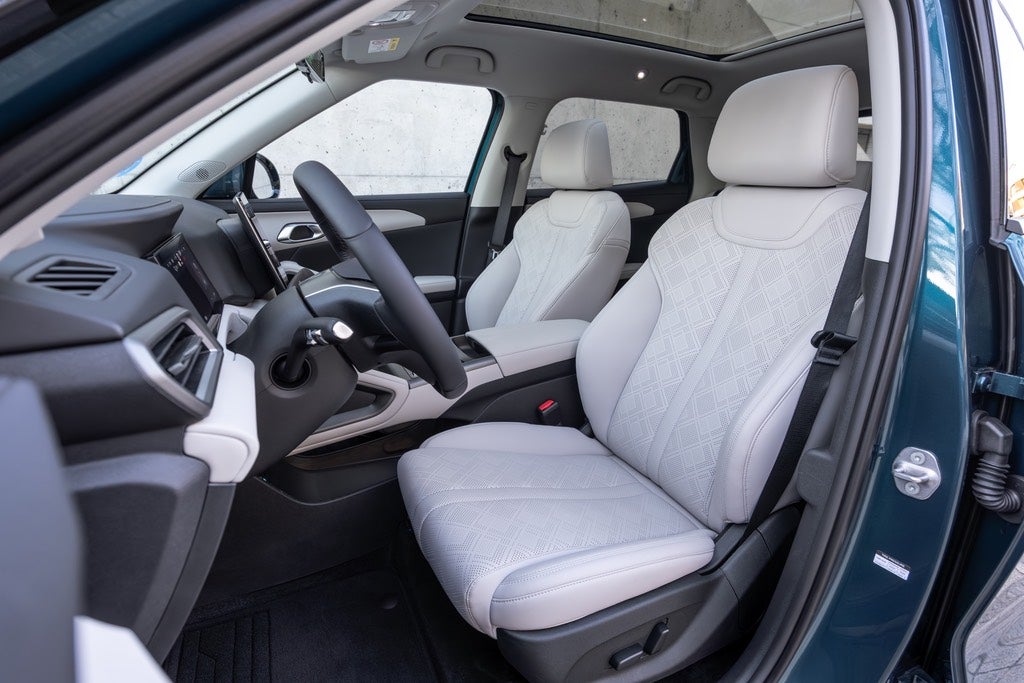
The Atto is also very much tuned to economy, and as such its performance is adequate rather than scorching, but equipment levels are good with standard features such as rain-sensing wipers, an 8.8-inch digital instrument panel, a 12.8-inch touchscreen infotainment system, lots of charging points, rear parking sensors with rear-view camera, full adaptive cruise control and a smart key that allows access via a smartphone or a wearable device.
Just for the record, it’s allegedly a five-seater, but I can’t see how you can get three adults on the rear bench. The boot is adequate. If you’re not in a hurry, charging the hybrid’s battery takes about three hours at home, and you may as well to cover most of your usage; in any case, you can always fill up with petrol. That’s the attraction of the PHEV for some people at least. The BEV version got a full five-star NCAP safety rating, which is reassuring.
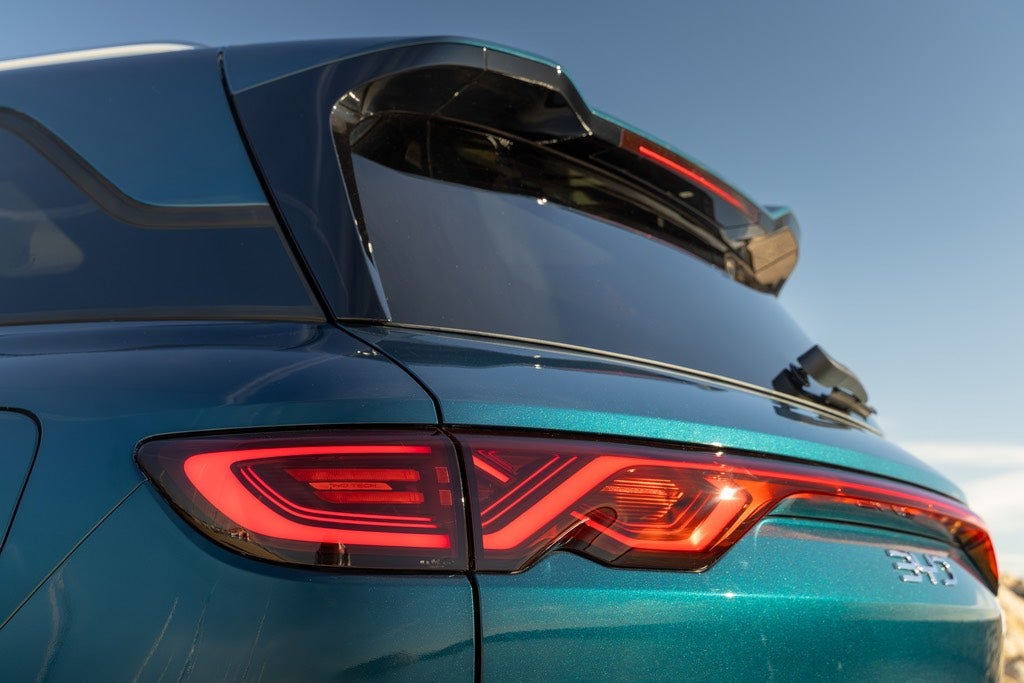
As for style, well, there’s nothing to object to, and it just about avoids being a totally generic compact SUV. There are bits of Citroen C3 Aircross and even the old Vauxhall Adam about the profile towards the back, and the full-width lightbar on the tailgate has a motif that looks like a DNA helix, but is actually a “Chinese knot”, which apparently signifies endless good luck. I guess it’s appropriate, because if you want a nice, competent and cheap little car to see you through some tough times ahead, then it’s highly fortunate for you that the Atto 2 has just rolled in.
Join our commenting forum
Join thought-provoking conversations, follow other Independent readers and see their replies
Comments
Bookmark popover
Removed from bookmarks