Nostalgic shoppers react as Minute Maid discontinues iconic drink after 80 years
The frozen orange juice concentrate was first available for sale in 1946
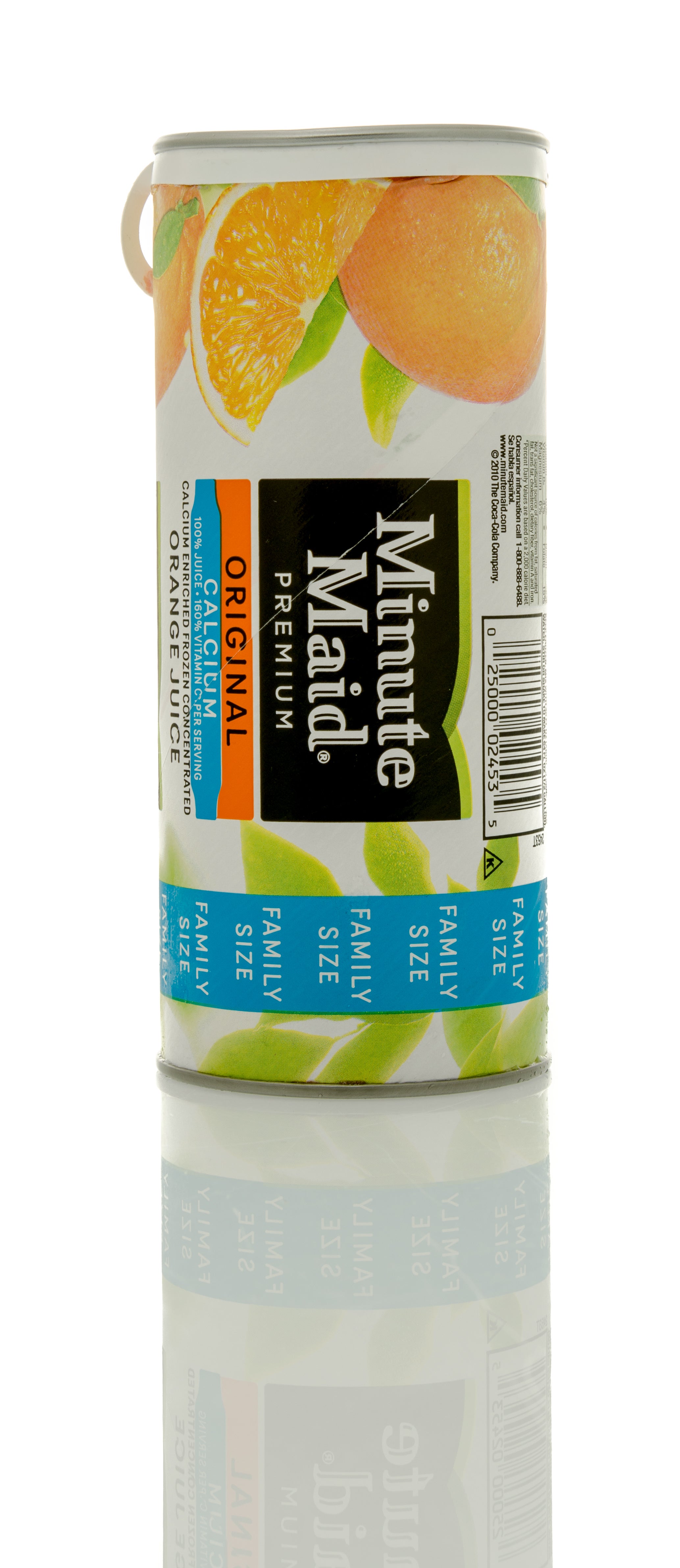
Orange juice lovers are reflecting on the end of an era as Minute Maid has announced it will be discontinuing its frozen products, including its cans of frozen orange juice concentrate.
The breakfast staple — which was first made available to the public in 1946 — was meant to provide convenience for households that did not want to spend hours squeezing fresh oranges and instead dropped the frozen can into a pitcher of water for drinking. However, Minute Maid recently announced all of its frozen juices, including lemonade and limeade, would be discontinued in April to prioritize its line of fresh juices.
“We are discontinuing our frozen products and exiting the frozen can category in response to shifting consumer preferences,” The Coca-Cola Co., which owns Minute Maid, said Wednesday in a statement.
Customers have since expressed their disappointment with the loss of one of the beverages they grew up on.
“Sad! I know concentrate is not ideal, but it was a cost-effective option and still higher in actual nutrition than trendy drinks like kombucha that are now popular,” one person claimed on X.
“Nooooo! It’s also good to use in cocktails!” another person lamented.
“Always remember my mom dumping the frozen glob into a pitcher and breaking it up with a big wooden spoon!” shared a third.
In 1946, Vacuum Foods Corp. became the first U.S. company to ship frozen orange juice across the country, according to Coca-Cola. It named the product Minute Maid; Vacuum Foods eventually changed its name to Minute Maid as well. Rival Tropicana, which still sells frozen canned juice, was founded in 1947.
Coca-Cola acquired Minute Maid in 1960, and 13 years later, Minute Maid introduced ready-to-drink orange juice, which was sold in the refrigerated case instead of the freezer, and let consumers skip the step of mixing it up. Minute Maid added lemonade and fruit punch to its lineup in 1980.
In recent years, orange juice has struggled as other options, like energy drinks and protein smoothies, have flooded the market. Skyrocketing prices due to poor weather conditions in Brazil and Florida haven’t helped; a 12-ounce can of frozen orange juice costs an average of $4.82 in December, up 13 percent from the prior year, according to U.S. government data.
Consumers also increasingly questioned the added sugar in juices. Minute Maid launched Zero Sugar versions of its fresh juices in 2020. But its frozen juices have languished along with the broader frozen juice category.
U.S. sales of frozen beverages fell nearly 8 percent in the 52 weeks ending Jan. 24, according to the market research firm NielsenIQ.
Additional reporting by the Associated Press
Bookmark popover
Removed from bookmarks