This Week in History: From revolution in the Middle East to an exploding star in a galaxy far, far away
Explore how major events between 2 and 8 February were captured on The Independent’s front pages
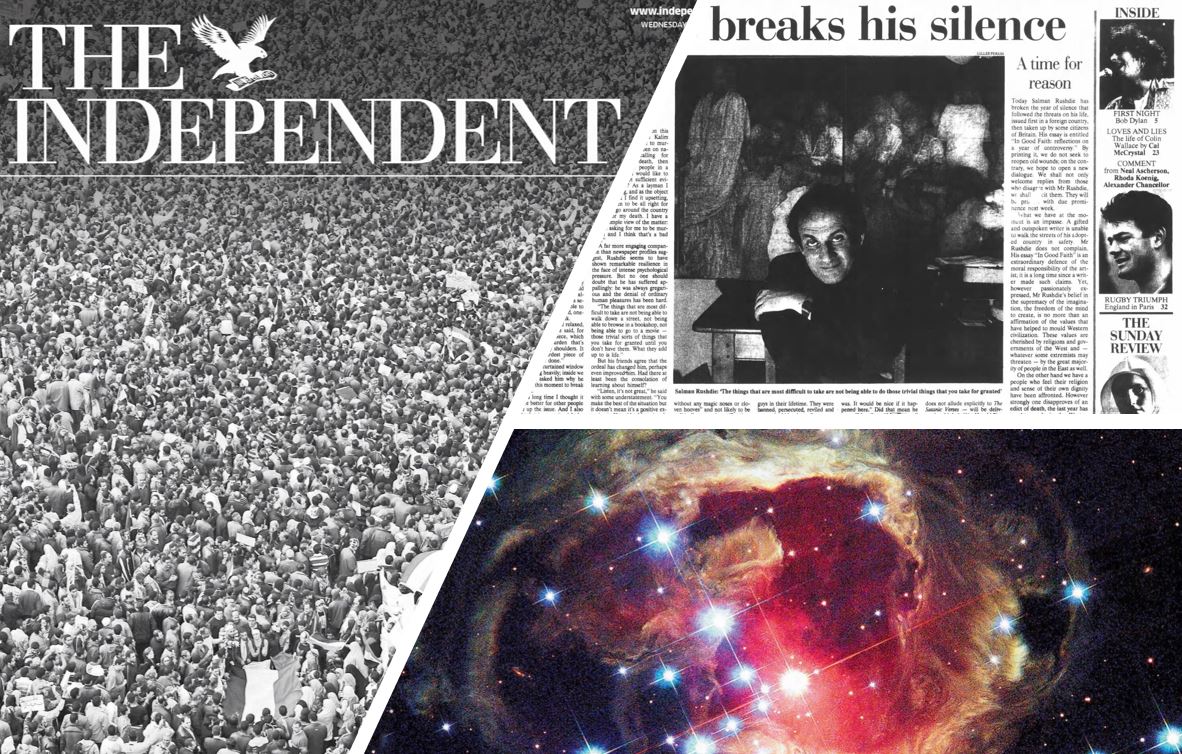
Welcome to a week of political transformation, as guaranteed communist rule comes to an end in the Soviet Union and a watershed moment in South Africa sees the ban on the African National Congress lifted, alongside a promise of Nelson Mandela’s unconditional release. In the United Kingdom, parliament votes to legalise same-sex marriage after an impassioned debate, marking a decisive shift in the country’s approach to equal rights. Elsewhere, struggles over freedom and expression play out on the streets of Cairo during the Arab spring, and in print as Salman Rushdie mounts a public defence of his novel in the face of the fatwa issued against him. And in a galaxy far, far away (20,000 light years to be precise), a red supergiant star explodes, captured in dazzling detail by the Hubble Space Telescope. All this, and more, is revealed on the front pages of The Independent.
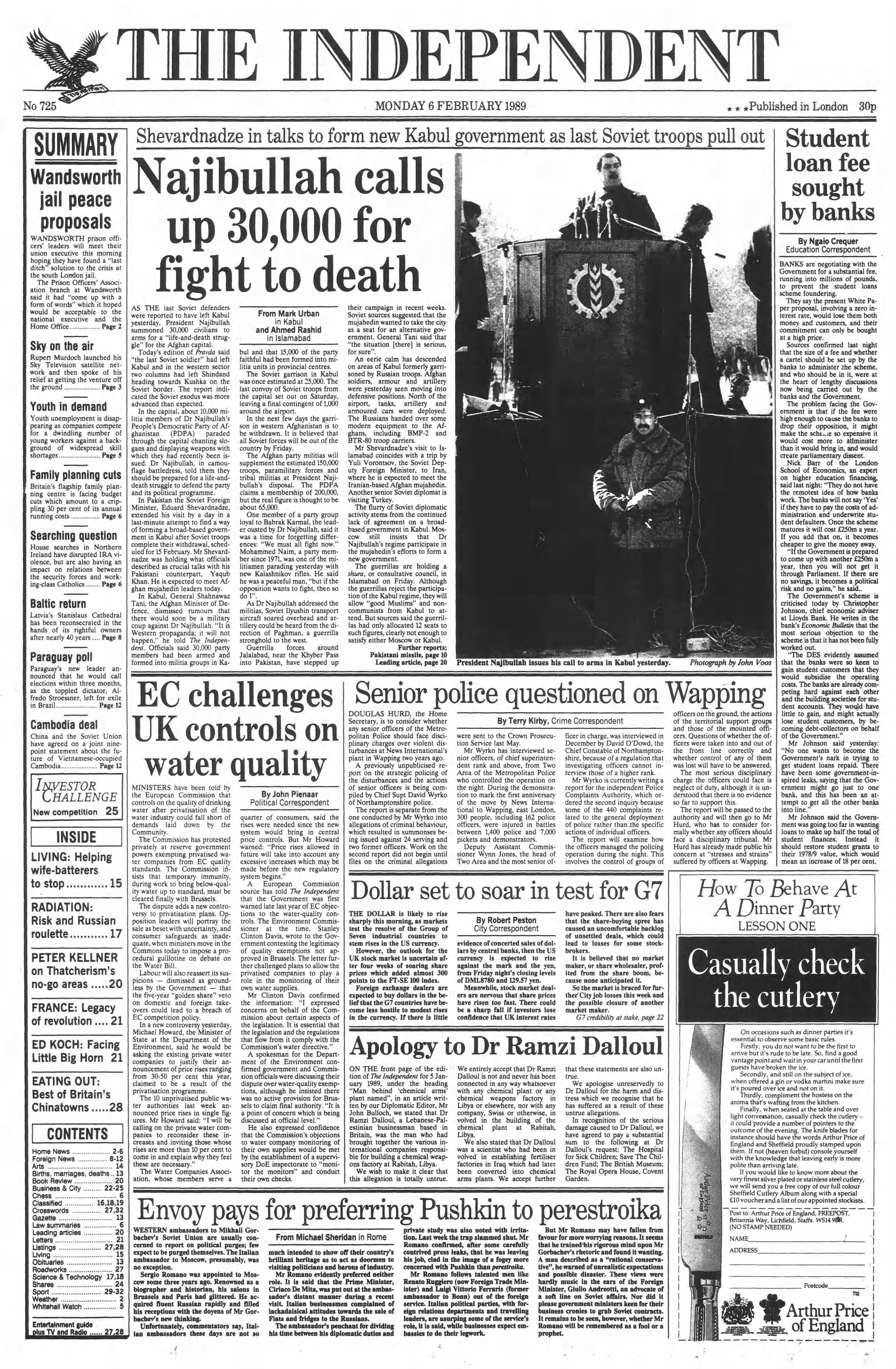
6 February 1989 – Afghanistan braces as Soviet troops withdraw
There is turmoil in Afganistan as president Mohammad Najibullah orders the mobilisation of 30,000 fighters amid vows to resist the mujahideen. It comes as the last Soviet troops prepare to leave Afghanistan, bringing a decade-long military intervention to an end. Speaking as Moscow’s forces withdraw, Najibullah signals his intention to fight on rather than surrender power. Although his government survives for several years with continued Soviet support, it collapses in 1992 after that backing ends, plunging the country into further civil war.
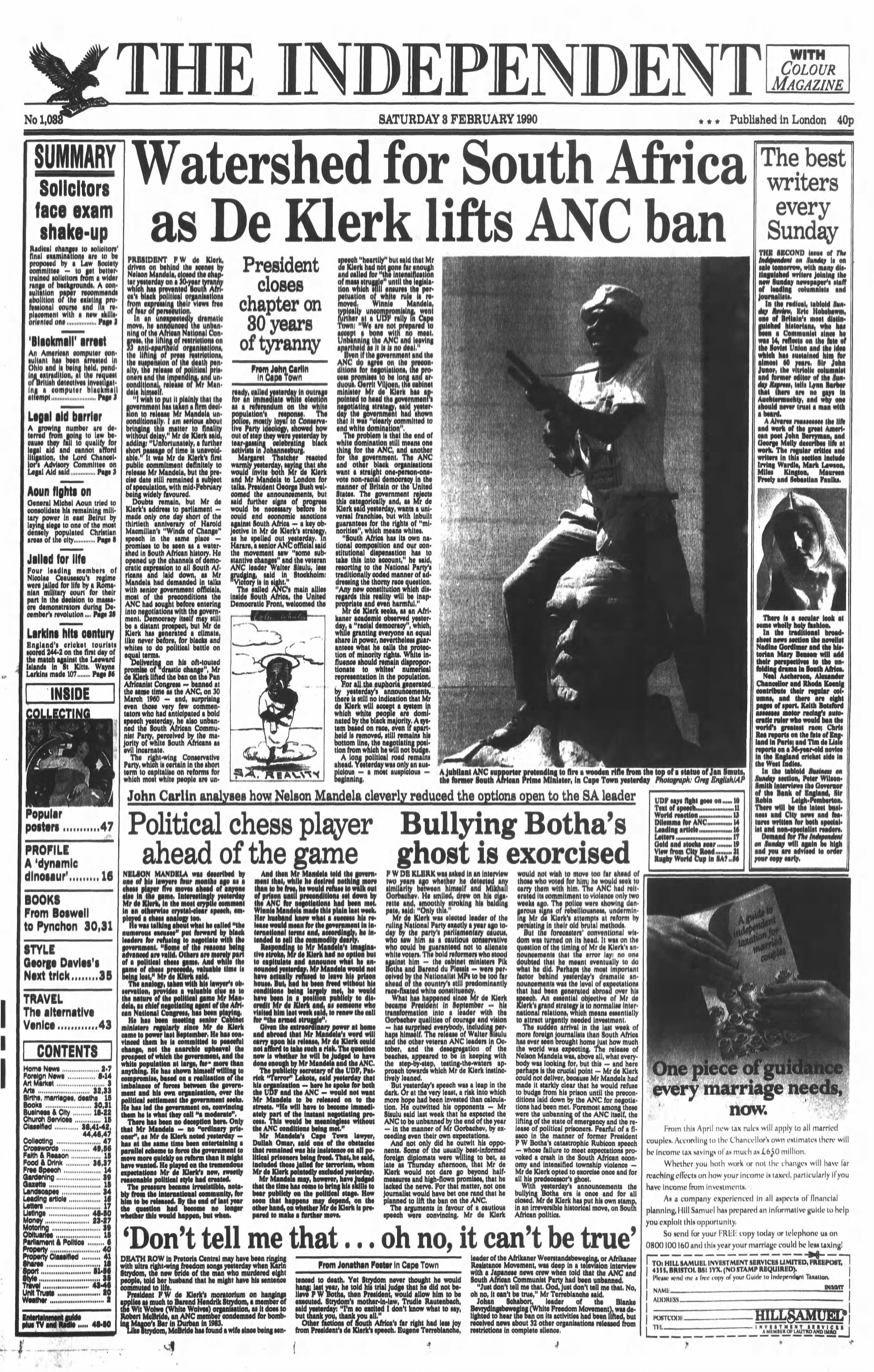
3 February 1990 – ANC ban lifted in South Africa
South Africa reaches a political watershed as president FW de Klerk unexpectedly lifts the ban on the African National Congress, ending decades in which black political movements were forced underground. A host of reforms are announced; restrictions on anti-apartheid organisations and the press removed, political prisoners set to be freed, and Nelson Mandela’s unconditional release declared imminent. The move closes a long chapter of repression and opens the way for negotiations that would soon reshape the country’s future. Within a year, the government would formally commit to dismantling apartheid itself, setting South Africa on the path to democratic rule.
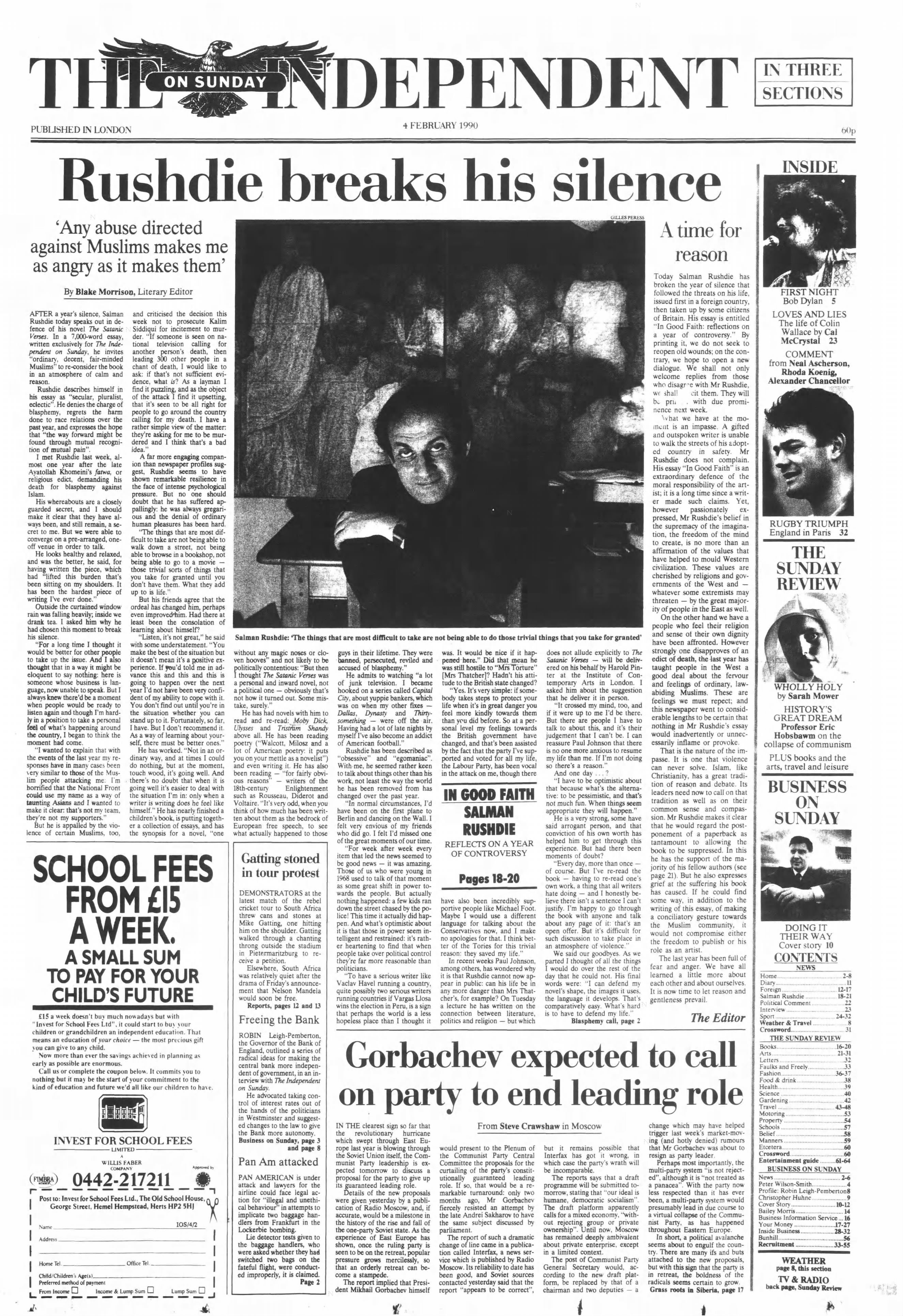
4 February 1990 – Rushdie breaks silence over fatwa
Salman Rushdie speaks publicly for the first time in a year to defend his novel The Satanic Verses, following the fatwa issued against him in 1989. In an exclusive 7,000-word essay for The Independent on Sunday, Rushdie rejects accusations of blasphemy, reflects on the damage the controversy has caused to race relations, and calls for dialogue and understanding as a way forward after months in hiding.
8 February 1990 – End of Communist Party monopoly in USSR
The Soviet Union takes a decisive step towards political reform as the Communist Party votes to abandon Article Six of the constitution, ending its guaranteed monopoly on power after more than seven decades. The decision, backed by the party’s Central Committee, removes the formal claim to sole authority over government and signals a dramatic shift as the Soviet state moves cautiously in the direction of multi-party democracy.

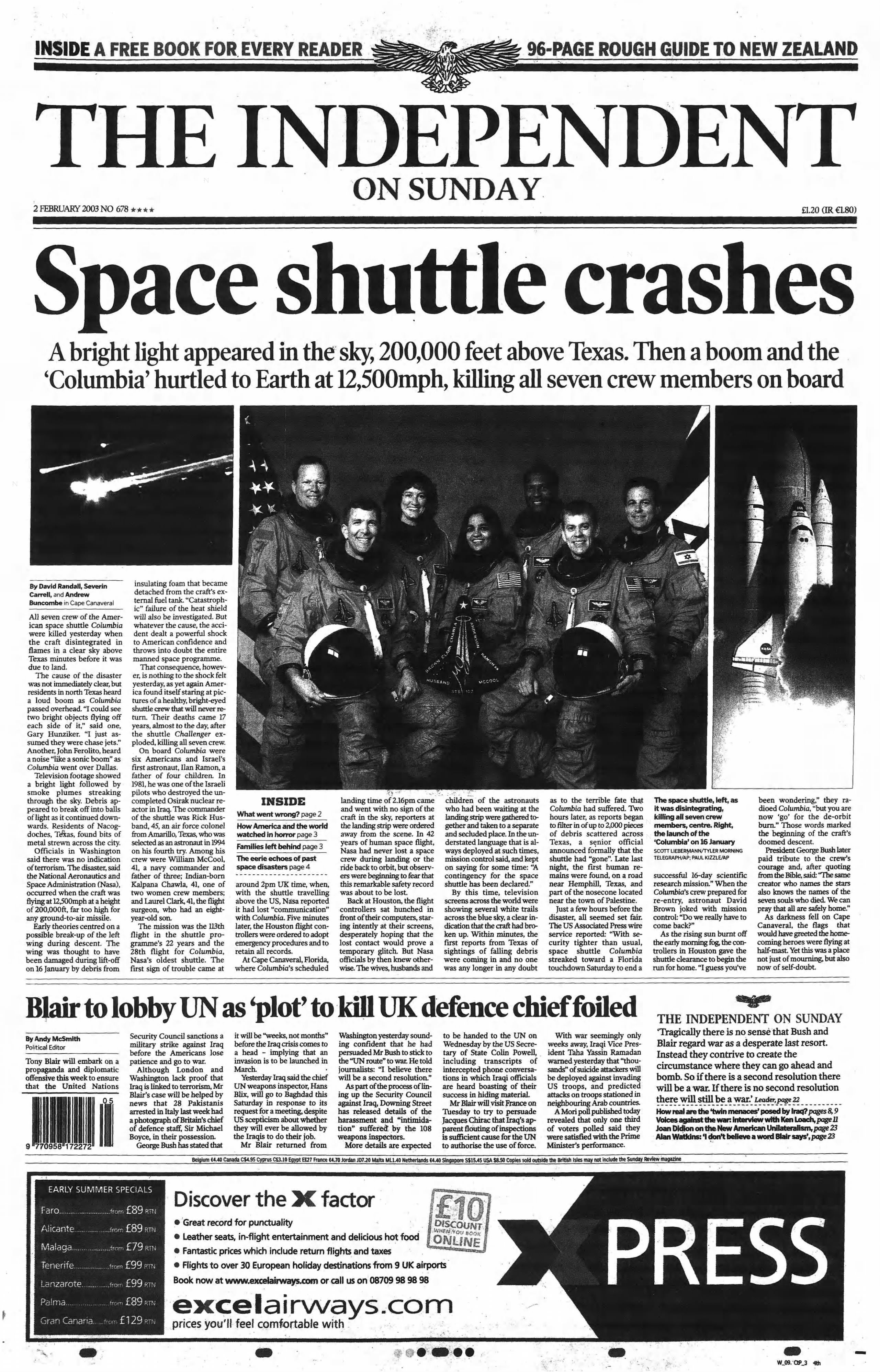
2 February 2003 – Columbia space shuttle disaster
The space shuttle Columbia breaks apart during re-entry over the United States, killing all seven astronauts on board and bringing a mission that began 16 days earlier to a devastating end. Nasa confirms the loss of contact shortly before the scheduled landing, as debris is scattered across several states. The disaster prompts the grounding of the shuttle fleet and a major investigation, which later concludes that damage to the shuttle’s heat shield during launch led to the catastrophe.
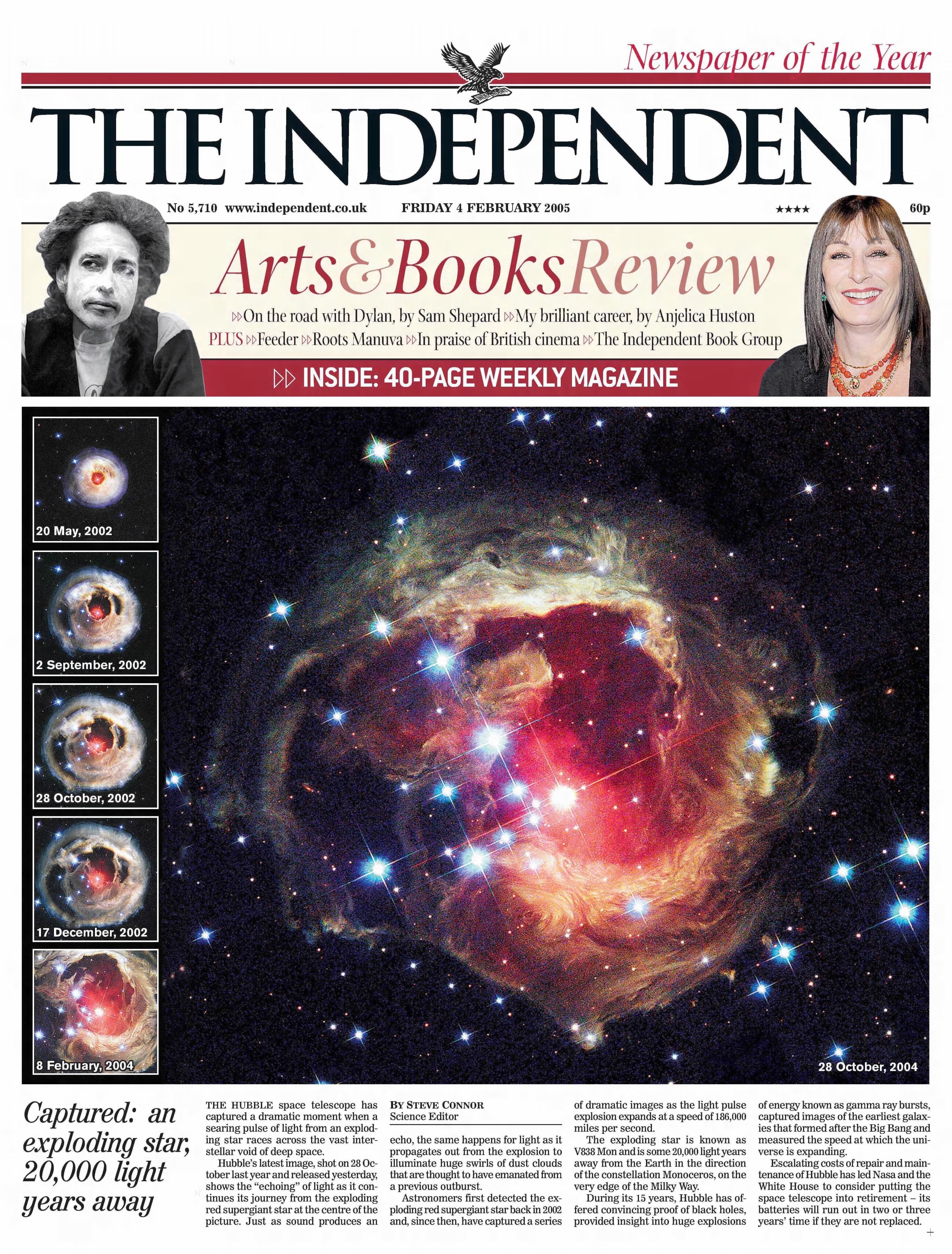
4 February 2005 – Hubble captures exploding star
The Hubble Space Telescope releases striking images of a distant star exploding some 20,000 light years from Earth, capturing a searing pulse of light racing through deep space. The image shows the “echo” of light from a red supergiant as it spreads outward through surrounding dust and gas, offering scientists a rare glimpse of a supernova unfolding across the vast interstellar void.
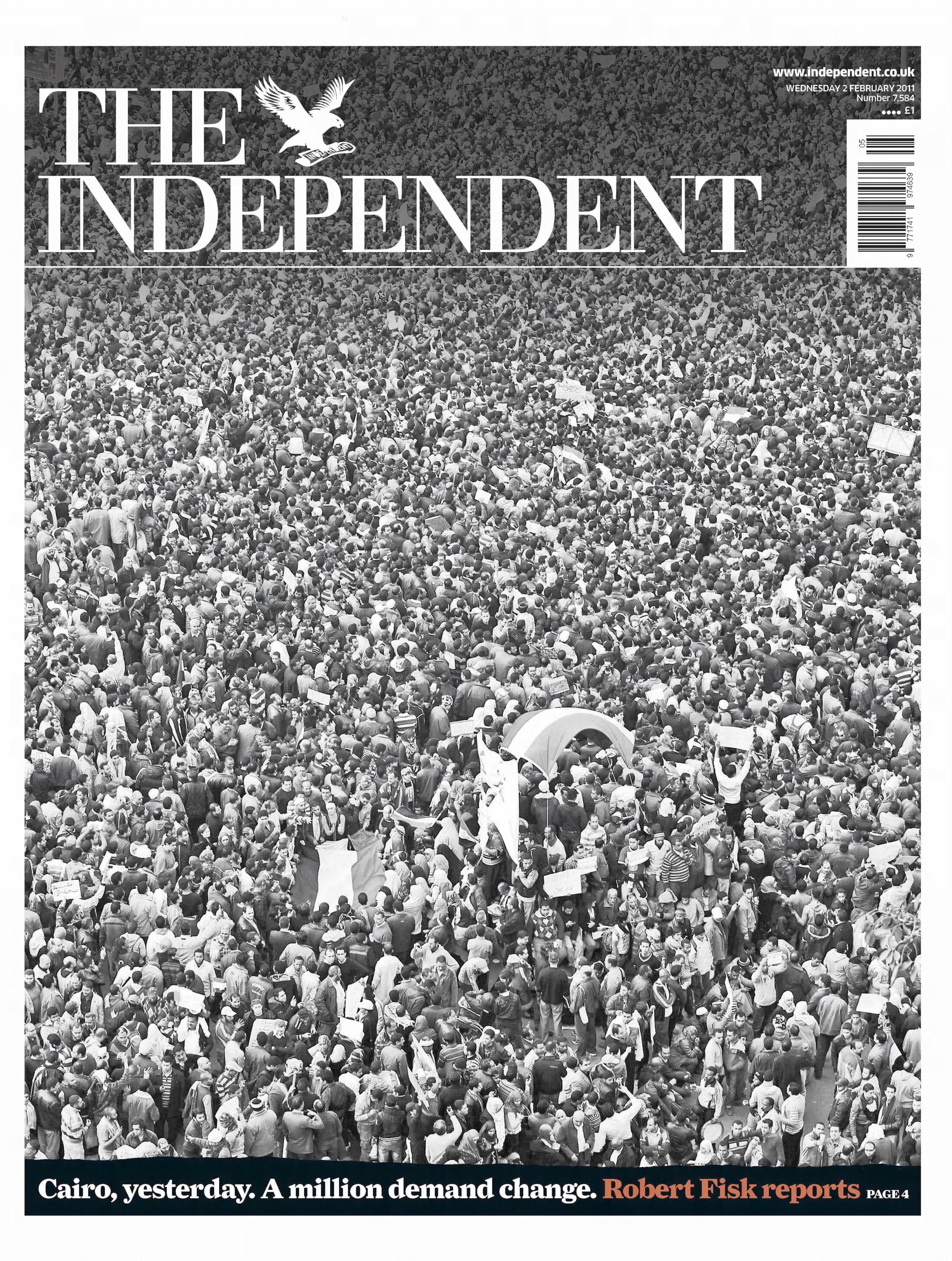
2 February 2011 – Mass protests fill Cairo
Huge crowds gather in Cairo as protests against president Hosni Mubarak enter a decisive phase, following days of unrest that spread rapidly across Egypt. The demonstrations form part of a wider wave of uprisings across the Arab world, calling for political reform, economic justice and an end to authoritarian rule. In Egypt, The Independent’s Robert Fisk reports on the ground as a million take to the streets of Cairo to “demand change”.
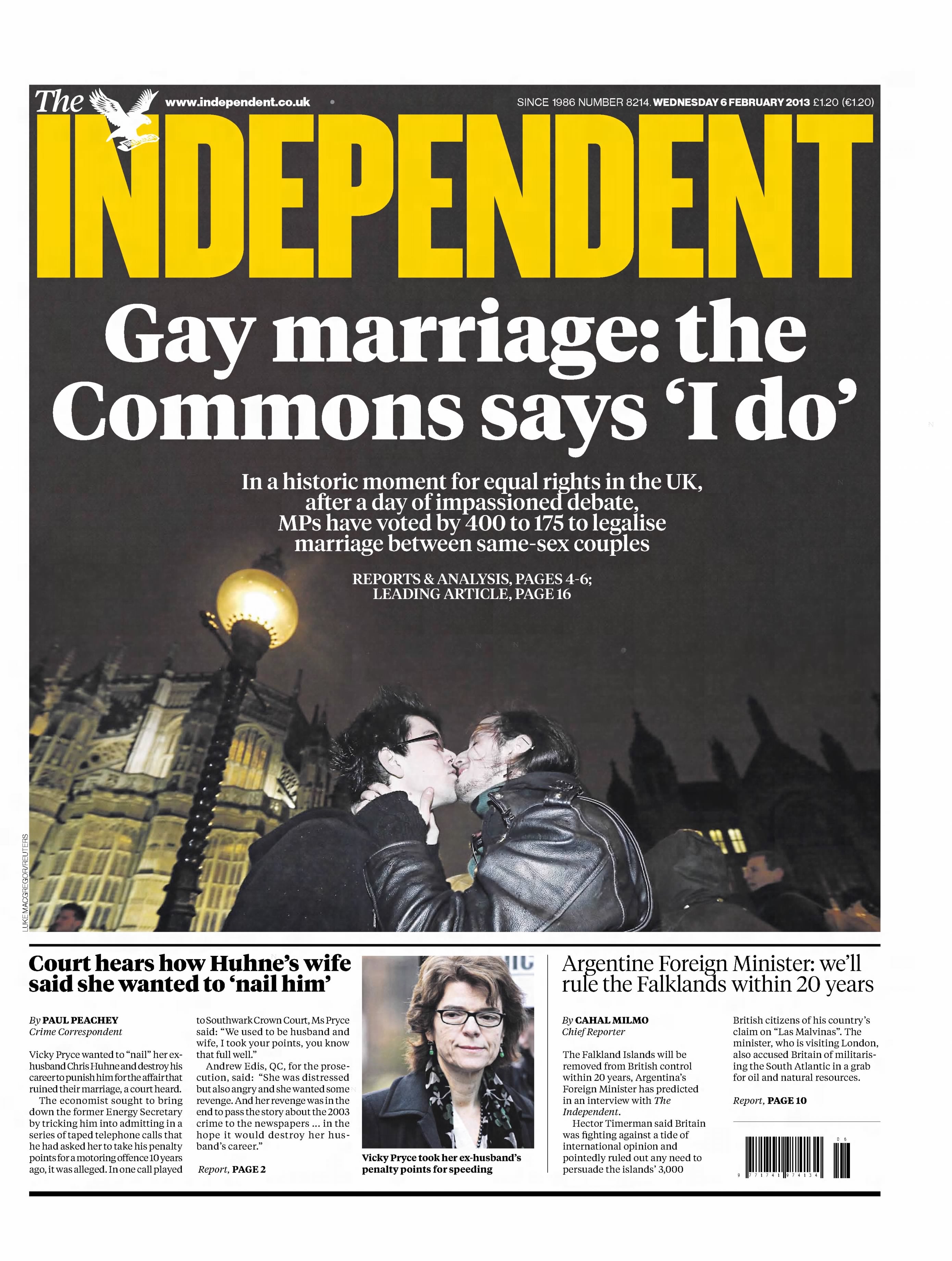
6 February 2013 – Commons say ‘I do’ to same-sex marriage
The House of Commons votes overwhelmingly to legalise marriage between same-sex couples, in a landmark moment for equal rights in the UK. After hours of impassioned debate, MPs back the measure by 400 votes to 175, reflecting a decisive shift in social and political attitudes. The vote sends the legislation to the House of Lords, paving the way for same-sex marriage to become law later that year and for the first ceremonies to take place in 2014.
Join our commenting forum
Join thought-provoking conversations, follow other Independent readers and see their replies
Comments
Bookmark popover
Removed from bookmarks