Why you still need sunscreen during the winter
Harmful UV rays that lead to skin aging and deadly cancer can still reach you on a cloudy winter day


It’s the dead of winter and the only solace from the frigid cold is a giant coat and the feeling of the sun on your face before it sets before 5 p.m.
But before you step outside, experts warn that you still need to put on your sunscreen. Without it, people can get sunburned, even during the winter months - something one in five Americans said they did not know.
“UV radiation exposure is not related to the outside temperature and is present year-round,” Dr. Konstantinos Chouliaras, a board-certified surgical oncologist at Baptist MD Anderson Cancer Center, explained in a statement.
“Sunscreen is a must. Even on cloudy days, it’s important to apply as the UV rays can still reach our skin,” he said.
Ultraviolet - or UV - radiation from the sun is what leaves us at risk for skin cancer: the most common form of cancer in the U.S. that leads to thousands of deaths each year.
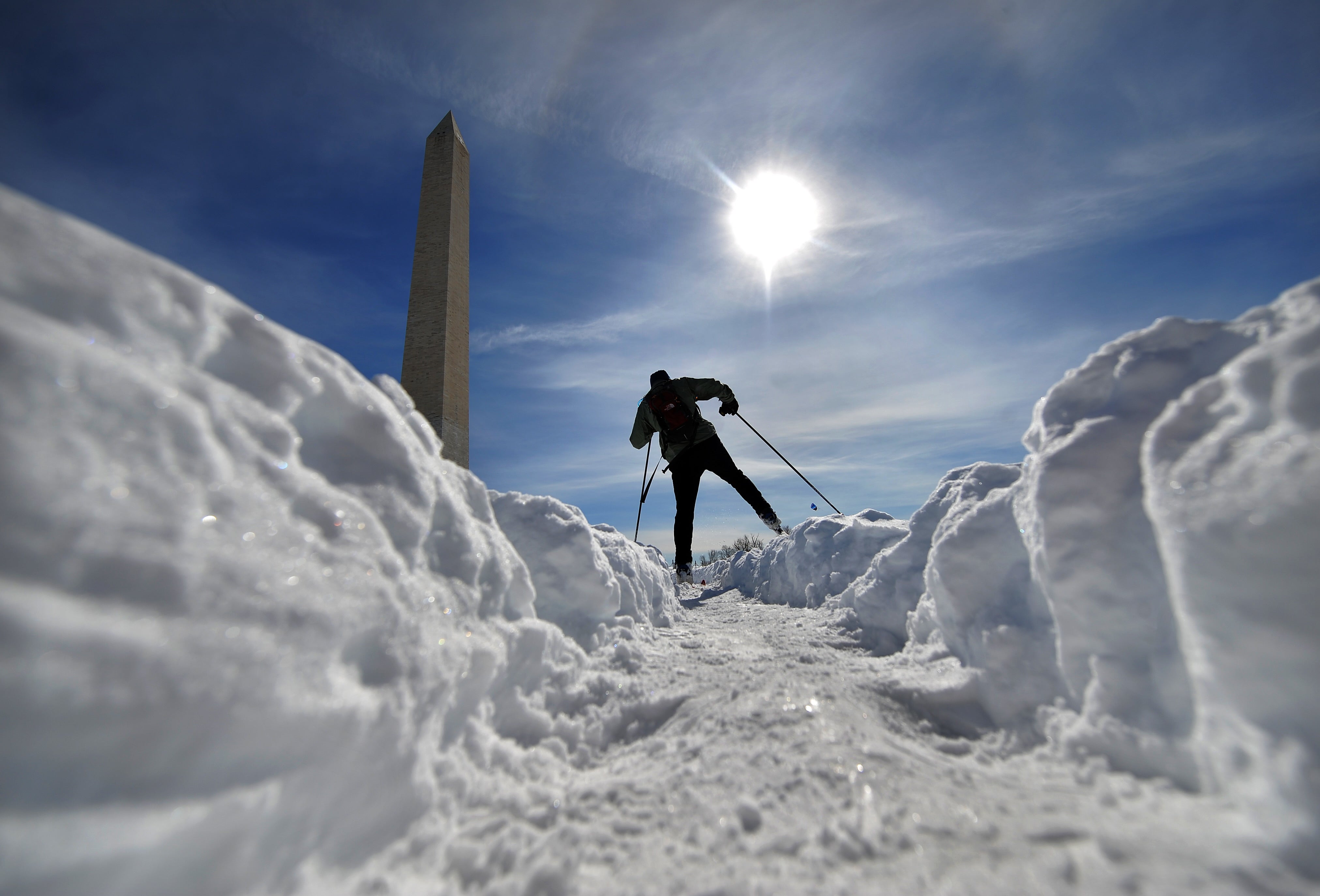
Invisible to the human eye, the rays are also what cause sunburns, wrinkles and skin aging.
Although UV levels are lower in the winter because the Earth tilts away from the sun, the radiation is still damaging and the Earth is actually closer in distance to the sun in the winter despite the tilt.
Rays from the sun hitting snow and ice in the winter can increase the intensity of the rays and your risk for skin damage - just like a day at the beach.
Clouds only reduce the UV levels by about 50 percent, according to the National institutes of Health Medline Plus Magazine.
With even the lowest UV levels on a scale between zero and 15 - with zero to two at the lowest - it takes only an hour to burn, Iowa Health Care notes.
“If you’re outdoors and can see your hand in front of your face, there is enough UV exposure to cause skin damage,” dermatologist Dr. Mona Gohara told Vogue, adding that the snow can reflect up to 80 percent of the sun’s rays back onto the skin.
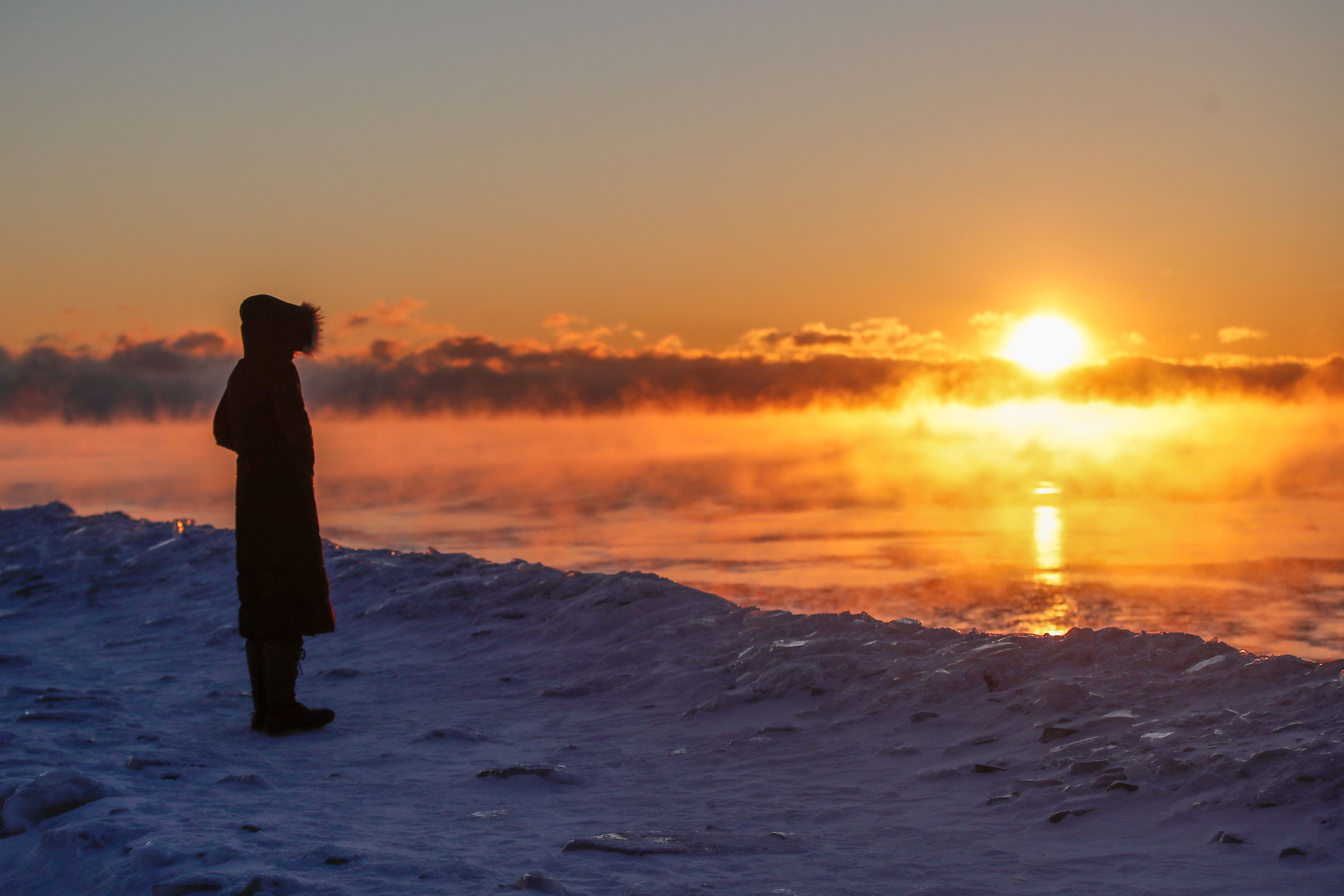
Experts say the best thing to do is to wear sunscreen between the peak daylight hours of 10 a.m. to 4 p.m. year-round.
The sunscreen should be water resistant and broad spectrum, meaning that it can protect your skin from any harmful UV rays, and should have a sun protection factor, or SPF, rating of 30 or higher.
An SPF rating of 30 reflects 97 percent of UVB rays, which are responsible for producing sunburns and cause the deadliest skin cancers.
Apply the sunscreen 20 minutes before heading outdoors and reapply it every two hours to stay shielded, the U.S. Environmental Protection Agency instructs.
Putting it on will protect from cancer and keep your skin looking younger.
“UV exposure is one of the primary causes of premature aging, leading to wrinkles, fine lines, and age spots. By applying sunscreen every two hours, even in winter, you contribute to maintaining youthful and healthy-looking skin,” says Dr. Krishna Gunturu, with the Hartford HealthCare Cancer Institute at The Hospital of Central Connecticut, said.
Join our commenting forum
Join thought-provoking conversations, follow other Independent readers and see their replies
Comments
Bookmark popover
Removed from bookmarks