The psychological impact of seemingly endless rain - and how to stay positive
Small, everyday tweaks to a routine can be really effective in fighting off the gloom that many of us are currently feeling
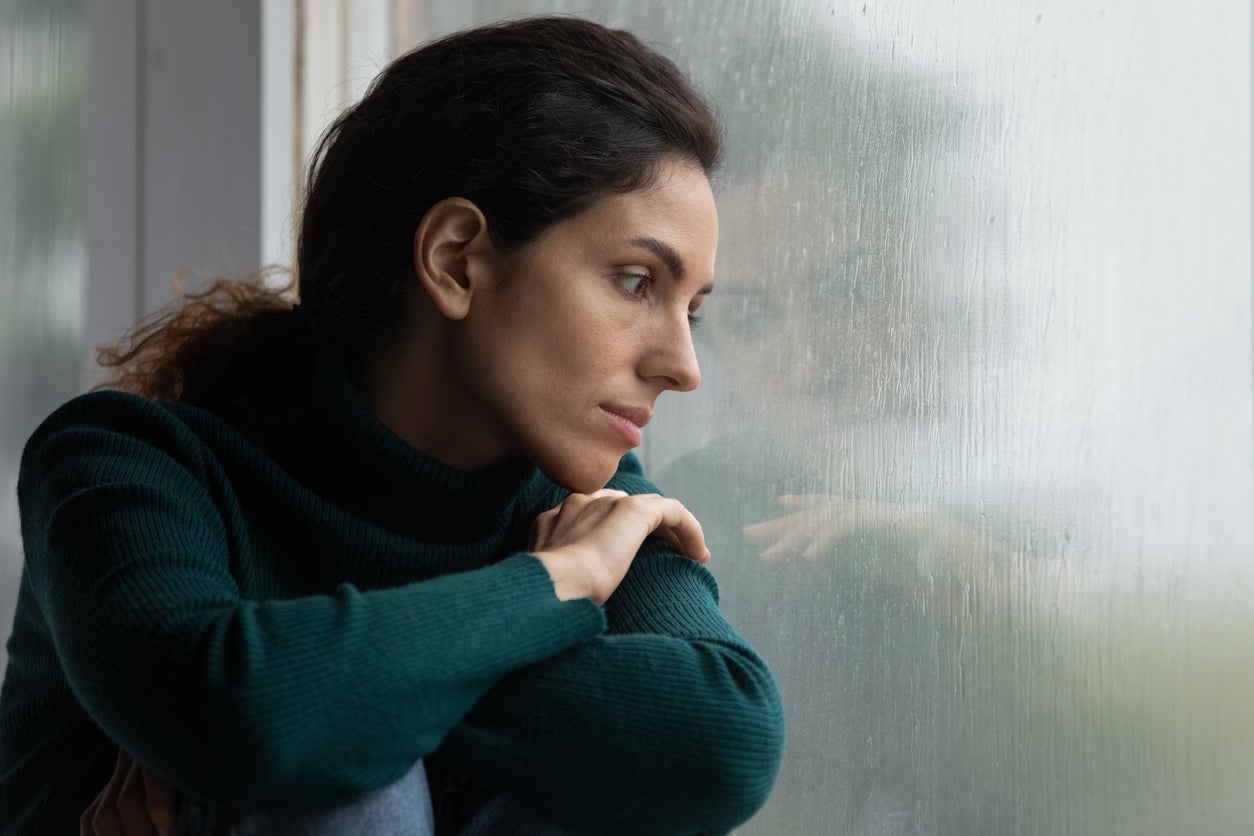
The short, dark days of winter are never easy to get through. But for many people in the UK and across Europe, this winter has felt particularly gloomy because of the seemingly endless rain.
If you live in some parts of south-west England or the Welsh borders, at the time of writing it has rained every single day this year. Aberdeen, meanwhile, has just seen its first half-hour of sunshine for three weeks – its longest sunless period since records began.
The psychological impact of these dark, damp days can be significant. Seasonal affective disorder (SAD) affects around three in every 100 people in the UK, is more common in women, and is associated with symptoms such as loss of energy, weight gain and a desire to sleep more. We often become more fatigued in the cold and dark, making some of us feel like we just want to hunker down and wait for spring.
Endless rain makes things even harder – not least by adding an extra obstacle to going outside. There is lots of evidence about the psychological benefits of spending time in natural light and green spaces.
But we still need to get on with life despite the weather. With that in mind, my field of positive psychology – the exploration of wellbeing, flourishing and optimal functioning – has a few suggestions that might help.
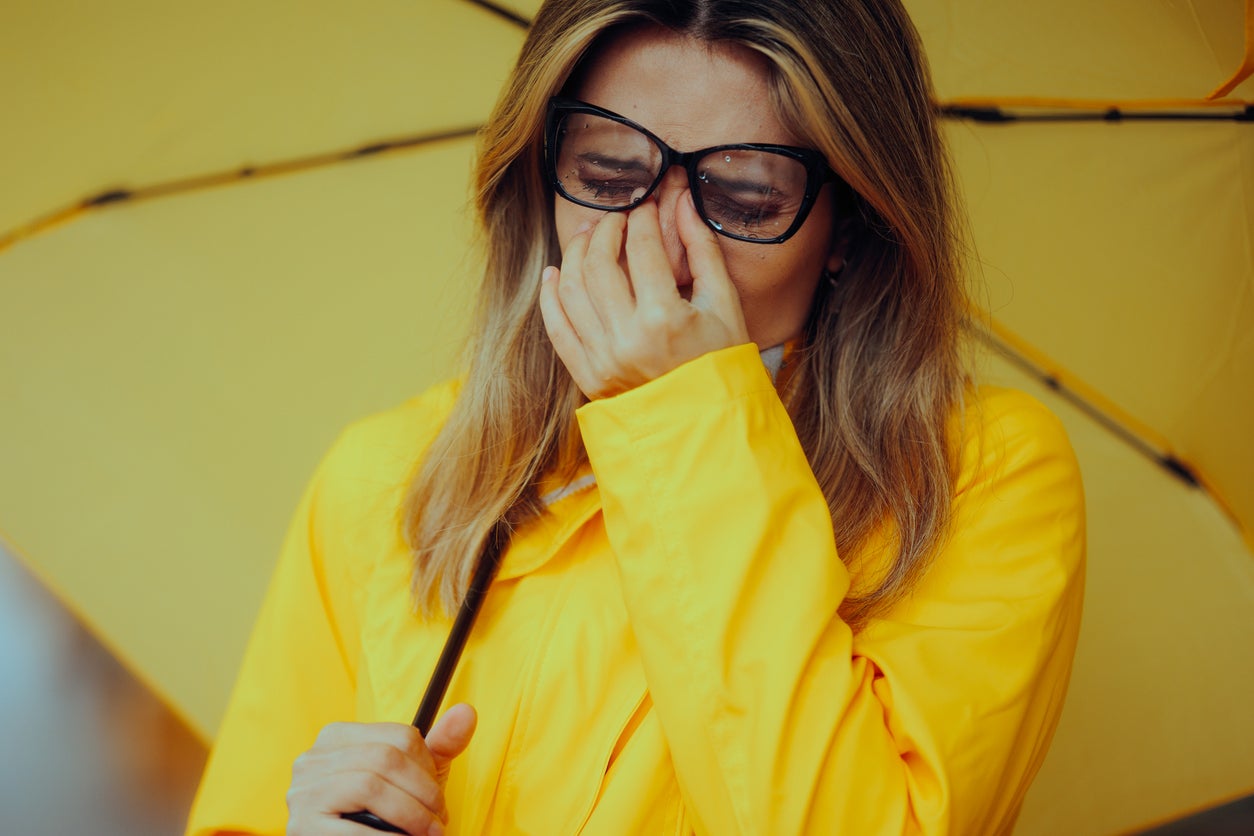
I don’t want to trivialise the distress that some people feel at this time of year – nor the wider concerns about what all this rain means for climate change. But there are small things you can do to reframe how you view these endlessly dank days. We can’t change the weather, but we can try to change how it makes us feel.
Find small reasons for hope
There is an array of research showing the positive effects of hope. It can boost physical, psychological and social wellbeing, improve our ability to cope with stress, and even enhance cognitive flexibility. One way of seeking to lift your mood could be to think of ways to make you feel hopeful – not despite but because of the rainy weather.
For example, think of something that is really nice to do after you’ve been out in the rain. A long, hot bath, for example, or drying out in front of a wood fire in the pub with friends. Or curling up on the sofa with a hot chocolate and your damp-but-devoted dog.
About the author
Luke Hodson is an assistant professor in the department of psychology at University of Warwick. This article is republished from The Conversation under a Creative Commons licence. Read the original article.
The next time you need to go outside in the rain, set up a scenario like this that gives you something to look forward to. A moment of hope can go some way to helping you view the rain in a different, less defeatist way.
Set goals, fulfil, reflect
Another way of reframing things more positively is to set and fulfil small goals – and then, importantly, take time to reflect on these achievements. A good example at this time of year could be a home improvement you’ve been putting off, or arranging to see a friend you’ve not seen for a long time.
My research with colleagues has demonstrated the efficacy of goal setting and reflection on both wellbeing and cognitive outcomes. We found the important thing is not what the goals are, but the process of reflecting on your actions and their positive impact.
The broaden-and-build theory of positive emotions suggests these reflections can help expand the way we think and behave. This in turn helps build our social, cognitive and emotional resources to better help us survive when times are tough – for instance, during a period of awful winter weather.
What we are aiming for here is to create a more intrinsic motivation for living life – in other words, being motivated by our own values, strengths and ideas. You can start today, by taking a few moments to pat yourself on your back after you’ve managed to get some important things done despite the awful weather.
Be grateful to nature
Gratitude probably conjures a specific feeling or concept in your mind. While quite difficult to define, it is generally considered to be the recognition that you have benefited from the action of another person.
Feeling grateful has a consistent impact on our ability to handle small daily hassles, and ameliorate the effect they can have on our wellbeing. Gratitude practices can be very quick – small “count your blessings” activities such as listing three things you are grateful for each day. And for many people, they are really effective.
On a more philosophical level, we can be grateful for things or concepts too – for example, nature. Recent evidence has shown that grateful-to-nature reflections can be just as effective at boosting wellbeing as other reflections of gratitude – in part by increasing your feelings of connection to nature. Even in a downpour, there are still many beautiful things to appreciate in the natural world around us, wherever you live.
Poor weather can also evoke powerful feelings of nostalgia, such as fond or sentimental reflections on past experiences – like a rainy summer holiday where everyone was stuck inside playing board games together. These have been found to be comforting in the face of adverse weather. Nostalgic reflections can enhance your tolerance for environmental discomfort, such as enduring the cold.
The ideas I’m describing here are deliberately small and may even sound trivial. Yet the science of positive psychology shows small, everyday tweaks to a routine can be really effective in fighting off the gloom that many of us are currently feeling. But a little bit of sunshine would be welcome too.
Bookmark popover
Removed from bookmarks